



Embracing Diversity from an Early Age
In today’s world, teaching our children about diversity and inclusion is more important than ever. It’s essential that we don’t just tell them about differences, but rather provide them with tools to understand and appreciate the rich variety of cultures and identities that exist around them. As gift buyers or caregivers, we have the unique opportunity to introduce our little ones to the beauty of diversity through thoughtful selections of toys and educational tools.
This curated list of diverse and inclusive products is specially designed for early childhood education, ensuring that these concepts are instilled from a young age. Whether you’re shopping for a birthday, holiday, or simply looking for a meaningful way to enhance your child’s playtime, these items will inspire understanding, empathy, and acceptance. Let’s dive into some incredible products that celebrate diversity and promote inclusivity!
Emotional Literacy Tools to Foster Understanding
Understanding emotions is a vital part of social development, making emotional literacy tools indispensable for children. One such product that stands out is the Kids for Culture: I'm Feeling Emotional Literacy Flash Cards. This set includes 24 diverse feeling flashcards that help children aged 2-4 years recognize and express their emotions. These cards are perfect for use in preschool settings or at home, and they support speech therapy efforts by providing youngsters with the vocabulary they need to articulate their feelings.
By engaging with these cards, children can learn to identify not just their feelings but also those of others, laying the groundwork for empathetic interactions in their future. Teaching kids about their emotions in relation to diversity can help them build more inclusive relationships from an early age.
Games that Celebrate Diversity
Games are a fantastic way for children to learn while having fun. The eeBoo: I Never Forget a Face Memory & Matching Game can be a perfect addition to any educational game collection. This memory and matching game features images of diverse faces, making it an engaging way to teach kids about different cultures and ethnicities. Suitable for children aged 3 and up, it can be played solo or with friends, encouraging socialization and teamwork.
Through play, children will not only strengthen their memory skills but also develop a broader understanding of the world around them. This dual focus on fun and education makes it a wonderful activity for family game nights or classroom settings!
Diverse Play Options for Creative Minds
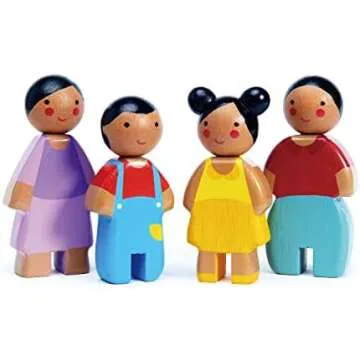
Imaginative play is a powerful aspect of childhood development, and the Tender Leaf Toys - Humming Bird Doll Family is ideal for this. This multicultural wooden dolls house family set comes with flexible arms and legs, allowing children age 3 and up to engage in endless imaginative play. By including diverse characters in their play scenarios, children can explore different cultural backgrounds and family structures, enriching their understanding of the world.
Additionally, the Geyee People Cut Outs are another creative resource that allows kids to craft and create their interpretations of diverse individuals. These blank cutouts can be colored to represent different ethnicities, fostering discussions about identity, representation, and creativity. Perfect for home or school projects, they encourage both artistic expression and educational exploration.
Diverse Stories that Inspire
Stories have a unique ability to foster understanding and connection. Books like The Day You Begin and Our Diversity Makes Us Stronger provide age-appropriate narratives that teach children about belonging, courage, and kindness. These tales illustrate how diversity is not just a concept, but a beautiful tapestry that enriches our lives.
Introducing these books to story time not only enhances literacy skills but also sparks conversations about the world’s diversity and the importance of kindness towards all. They are wonderful resources to have on hand for both educational and personal enjoyment.
Inclusive Products for Everyday Care
Inclusivity should extend beyond toys and stories—everyday products like the Tru-Colour Skin Tone Bandages offer a fantastic way to normalize diversity in daily life. With assorted skin tones, these bandages promote representation, allowing children to feel seen and understood, even in simple matters. This small yet impactful product can make a significant difference in how children perceive skin diversity.
Using these bandages can help instill a sense of pride and respect for different skin tones from an early age, reinforcing the idea that all individuals are valued, regardless of their appearance. This approach to everyday care objects ensures inclusivity becomes a natural part of their daily experiences.
Frequently Asked Questions
- Why is it important to teach children about diversity?
Teaching children about diversity helps foster empathy, understanding, and respect for others from a young age, creating a more inclusive society. - What age should children start learning about diversity?
Children can begin to understand diversity as early as preschool age, with appropriate toys and books enhancing their learning experiences. - How can parents encourage inclusivity at home?
Parents can encourage inclusivity by discussing different cultures, using inclusive products, and ensuring toys reflect a variety of backgrounds. - What types of products promote diversity?
Diverse toys, books, games, and everyday items like bandages that represent different cultures and identities promote inclusivity.
By selecting toys and teaching tools that promote understanding, empathy, and respect for diversity, you’re not just shopping—you’re investing in a brighter future for your child and the world around them. We hope this curated list has inspired you to make informed decisions that foster inclusivity in your child’s life!
Explore your favorites now and let each of these products be a step towards a more inclusive understanding of the world. Your thoughtful choices can make a real difference in nurturing kindness and acceptance in young hearts.



 Continue with Google