



How to Create Your Own DIY Bug Spray
There’s nothing more exhilarating than the anticipation of a beautiful garden, but it also comes with its share of challenges, particularly pesky bugs. If you’re a gardener or just someone who values living a chemical-free lifestyle, finding a natural solution to repel pests is essential. Crafting your own DIY bug spray not only allows you to take control over what goes onto your plants but also helps you save money while being kind to the environment.
This guide is here to help you navigate the world of natural pest repellents with a curated list of essential ingredients and tools you’ll need. Whether for personal use or as a thoughtful gift for your eco-conscious friend, these products will empower you to create effective long-lasting bug sprays that work wonders.
Essential Spray Bottles for Your DIY Projects
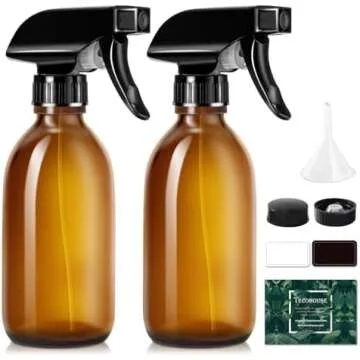
The first step to creating an effective DIY bug spray is having the right container. Enter the Tecohouse Glass Spray Bottles. These amber bottles not only look aesthetically pleasing but are also functional. Their capacity of 8 oz is perfect for mixing up small batches of bug spray. Plus, they come with labels, so you can easily identify your concoctions!
These spray bottles ensure your mixture remains effective, as the dark color protects the ingredients from light degradation. They also come with a funnel and graduated pipettes which facilitate easy pouring and measuring of your natural ingredients, giving you everything you need to get started with confidence.
Powerful Natural Ingredients to Consider
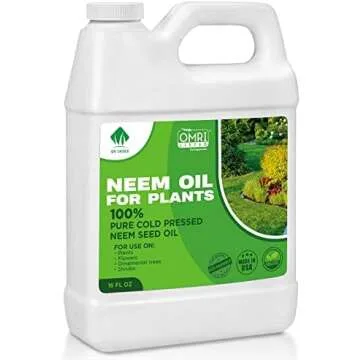
One of the star components of any effective DIY bug spray is neem oil. The Grow Co Organic Neem Oil is a powerhouse ingredient derived from the seeds of the neem tree, known for its natural pest repellent properties. This cold-pressed oil can effectively disrupt the life cycle of pests, making it a valuable addition to your gardening toolkit.
Having neem oil on hand not only helps in pest control but can also improve your plants’ health. A few ounces mixed with water makes for a potent leaf shine spray that promotes photosynthesis while keeping bugs at bay. It’s a win-win for anyone who takes pride in their plants!
The Wonders of Apple Cider Vinegar
Another incredible ingredient to use in your DIY bug spray is apple cider vinegar. The Bragg Organic Raw Apple Cider Vinegar is not just great for culinary use but also works wonders in the garden. Its strong scent can deter many types of insects, making it a vital component of your natural bug spray.
Mixing apple cider vinegar with water creates a powerful concoction that is easy to apply with your Tecohouse spray bottles. Not only will it help repel pests, but it’s also safe to use around your pets and children, aligning perfectly with eco-friendly values.
Effective Astringents for Skin and Plants
One lesser-known but effective ingredient to incorporate into your DIY bug spray is witch hazel. The T.N. Dickinson's Witch Hazel Astringent is a 100% natural solution beneficial for repelling pests while also providing skin relief in the case of bites.
This versatile product can be combined with oils and vinegar in your bug spray, enhancing both the aroma and repellent properties. Its astringent qualities can soothe skin irritation caused by insect bites, making it a great household product for both plants and people.
Essential Oils to Elevate Your Bug Spray
Don’t underestimate the power of essential oils in your DIY bug spray. The Gya Labs Catnip Essential Oil, for example, is not only aromatic but also a potent natural insect repellent that can enhance the effectiveness of your spray. Known for its strong herbal scent, it’s effective against mosquitoes and other pests.
Adding a few drops of catnip oil to your spray can create a pleasant scent while warding off bugs. This additional layer makes your homemade spray not just a tool for pest control but also a delightful element in the garden, enhancing your overall gardening experience.
Soothe and Protect Your Skin
Lastly, it’s important to think about the aftercare of your skin after being outdoors. The Fruit of the Earth Aloe Vera Gel is perfect to keep handy after using your DIY bug spray. This soothing gel not only hydrates the skin but also provides relief from irritation due to bug bites.
Using aloe vera after gardening or spending time outdoors can promote healing and comfort, helping your skin recover from potential pest-related discomfort. By incorporating this into your routine, you can create a holistic approach to enjoying nature while protecting both your plants and yourself.
Frequently Asked Questions
- What are the best natural ingredients for DIY bug spray?
Natural ingredients like neem oil, apple cider vinegar, witch hazel, and essential oils are excellent choices for creating effective bug sprays. - How long does homemade bug spray last?
Homemade bug sprays can last for several weeks if stored properly in a cool, dark place. However, check for any changes in smell or color before use. - Can I use DIY bug spray on vegetables?
Yes! Most natural ingredients are safe for use on vegetables, but always do a patch test before widespread application.
Creating your own DIY bug spray is a gratifying way to explore sustainability and care for your garden—without harmful chemicals. Equip yourself with the right tools and ingredients, as listed above, to confidently repel pests while being kind to the planet.
Explore your favorites now and embrace a greener approach to gardening—your plants and the environment will thank you for it!



 Continue with Google