






DIY Sensory Bins: Creative Ideas for Playtime
As parents and caregivers, creating an engaging play environment for toddlers is essential, and one innovative way to do this is through sensory bins. These bins not only offer hours of fun but also enhance cognitive development and fine motor skills. If you’re on a quest for the best items to fill those bins, you’re in the right place! This guide will introduce you to a variety of sensory bin items, perfect for sparking curiosity and creativity in young minds. Whether you're gift shopping or looking to enrich your own toddler's playtime, these ideas will revolutionize your sensory play strategy.
These sensory bin resources can be easily tailored to suit any theme, making them versatile enough for different learning topics, occasions, or simply for everyday fun. From vibrant sand and water play essentials to exciting themed accessories, prepare to discover everything you need to create the ultimate sensory experiences at home.
1. Comprehensive Guides for Thoughtful Engagement
A great starting point for creating a variety of sensory bins is the book "Sensory Play: Over 65 Sensory Bin Topics". This resourceful guide offers over 65 unique topics, complete with picture books and supplementary activities, ensuring that playtime is not just fun but educational too. Perfect for busy parents, this book allows you to plan sensory experiences with ease, matching various learning objectives and developmental milestones.
By structuring playtime around themes presented in this book, children can explore new concepts while having fun. Each bin can teach different skills such as counting, color recognition, and even emotional expression. No more last-minute 'what should we do today?' scenarios—this book should be an essential part of your parenting toolkit to keep your little ones engaged and learning.
2. Themed Accessories to Spark Imagination
No sensory bin is complete without themed accessories, and the 1790 HEHALI Pirate Themed Treasure Set is a delightful addition for adventurous toddlers. With 320 pieces, including 160 gold coins and colored gems, this treasure set encourages playful storytelling and imaginative play. Children can create their pirate adventures while developing fine motor skills as they scoop and sort these treasures in their sensory setups.
The sheer volume of items in this set provides endless possibilities and combinations. Pair it with a sensory bin filled with sand for an immersive treasure hunt experience. Not only does it provide visual stimulation, but it also fosters creativity, as children create their own pirate tales and scenarios as they play.
3. Essential Tools for Sensory Exploration
Every effective sensory bin should include tools for manipulation, and the Learning Resources 3 Prong Tongs are a fantastic choice. Designed for tiny hands, these tongs help improve grip and coordination. Available in a set of six, these tools not only add an element of fun to the activity but also promote fine motor development as kids learn to pick up and transfer items from one place to another.
The tangential skills gained from using these tongs—like hand-eye coordination and dexterity—will greatly assist children in their future learning experiences. It’s such a simple tool, yet it can provide both fun and educational benefits all at once, making it an excellent addition to your sensory play items.
4. Versatile Storage Solutions for Sensory Play
Organization is key when it comes to managing sensory bins, which is why the Sterilite 6-Pack Plastic Storage Bins is an essential. With a clear design, these bins allow you to see what is stored inside, making it easier to grab what you need for your next sensory adventure. Each bin can hold up to 5.7 quarts, providing ample space for all your sensory materials without cluttering your play area.
Being organized not only saves time but also encourages children to feel a sense of responsibility and ownership over their play things. These bins can house everything from grains to themed props, ensuring both convenience and creativity are at your fingertips.
5. Engaging Materials for Endless Fun
To make sensory bins extra special, consider incorporating fascinating materials like Kinetic Sand. This moldable sand is perfect for tactile exploration and offers a unique sensory experience that is safe and mess-free. Providing a tactile experience with kinetic sand helps children with sensory integration as they manipulate and create shapes.
With sensory activities that engage their hands and minds, kids can build castles or dig trenches right at home! Kinetic sand not only brings joy, but it also gives them an avenue to express themselves creatively while developing crucial skills along the way.
6. Adding a Splash of Fun with Themed Toys
Every sensory bin can use a little extra whimsical fun, such as the Melissa & Doug Sunny Patch Bag of Bugs. This set comes with ten colorful bugs, perfect for imaginative play and adding thematic elements to your sensory bin. Children can explore habitats and ecosystems, integrating learning with play in an engaging manner.
The playful addition of bugs encourages curiosity about the environment, insects, and nature—all while kids discover through tactile play. Creating narratives around their bugs can lead to social learning as they share their findings and experiences with one another.
7. Additional Tools to Enhance Sensory Experiences
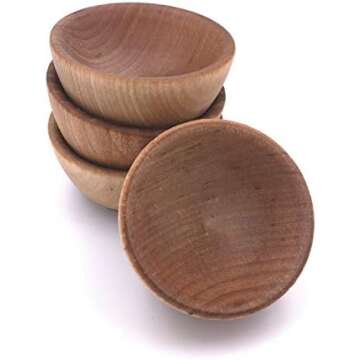
When customizing your sensory bins, consider adding fun accessories like the Perfect Stix Mini Wood Scoops. This set of ten mini scoops encourages kids to explore and discover textures within their bins. They can scoop grains, dig in the sand, or even mix items; the possibilities are as vast as their imagination!
Having a variety of sensory tools available gives children opportunities for experimentation while also reinforcing their learning. It's about embedding practical skills while they enjoy the process of play, which is immensely valuable during their early developmental stage.
FAQs About Sensory Bin Items
- What are sensory bins? Sensory bins are containers filled with various materials that engage the senses and typically target toddlers and preschoolers for educational and developmental play.
- How do I create a sensory bin? Select a base material (like rice or sand), add themed toys or tools, and mix in any other stimulating elements (like color or scent) that fit your theme.
- What materials can I use in sensory bins? Safe items such as rice, pasta, sand, water beads, or even simple household items can enhance the variety and learning experiences in sensory bins.
- What age is appropriate for sensory bins? Sensory bins are generally great for toddlers aged 2-5, but older kids can also enjoy them, especially with themes that cater to their interests.
- How often should I switch out sensory bin items? Regularly rotating materials keeps sensory play fresh and engaging, fostering continual exploration and discovery.
In conclusion, putting together a collection of sensory bin items can transform playtime into an enriching experience that supports learning and development. From creative books packed with ideas to engaging toys and practical storage solutions, the possibilities are endless! By choosing the right tools and materials, you’ll foster an environment where children can explore, learn, and thrive in fun ways.
Explore your favorites now and unlock a world of creativity, making sensory play an exciting, learning-filled journey for the kids in your life!



 Continue with Google