




The Foundations of Writing: Penmanship and Composition
Choosing the right tools and resources to support a child's writing journey can be both exciting and daunting. As parents or educators, it's essential to lay the groundwork for strong penmanship before transitioning into the more complex world of composition. Writing is a skill that begins with learning to form letters and progresses into creatively expressing thoughts through essays. This comprehensive guide will explore some of the best resources available to help children cultivate these vital writing skills, making your shopping experience not just easier but also deeply rewarding.
Investing in the right materials not only enhances a child’s ability to write legibly but also builds their confidence when it comes to composing their own narratives. Whether you're looking for educational toys that make learning fun or structured writing guides, this list is tailored to meet the diverse needs of budding writers. Let’s delve into a selection of exceptional products designed to engage and inspire young learners on their journey through the art of writing.
Essential Resources for Perfecting Penmanship
The journey to mastering **penmanship** is a critical milestone for every child. A major recommendation in this regard is the Getty-Dubay Italic Handwriting Series: Book F. This thoughtfully designed workbook guides young learners through the intricacies of italic writing, fostering neatness and fluency in their handwriting. With engaging activities that motivate students, this book serves as an excellent companion for children eager to improve their penmanship.
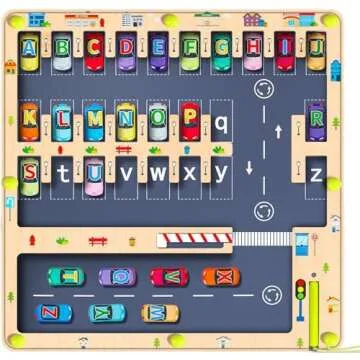
Complementing this resource is the Coogam Wooden Alphabet Tracing Board—an educational toy that combines learning with play. This double-sided board not only helps children trace the letters of the alphabet but encourages them to recognize and practice their writing skills in an interactive manner. By leveraging tactile feedback and creativity, we can ensure that our little ones develop the foundational skills required for effective writing.
Transitioning to Composition: Nurturing Young Authors
For those seeking a guided approach, the Jump In (2-volume set) offers a robust curriculum that encourages students to develop their writing skills with confidence. This program is designed to foster creativity while guiding students on how to express their ideas cohesively. With various exercises that build upon one another, children are encouraged to explore different writing styles, ultimately paving the way for successful composition.
Tools That Make Writing Easier and More Fun
As children practice their penmanship and start composing their narratives, the right tools can make a significant difference. The Pencil Grip Mini Pencil Grips are perfect for young writers struggling to hold their pencils correctly. Available in a colorful 50-pack, these grips are designed to provide comfort and control, making the writing process less daunting and more enjoyable for kids.
Moreover, the Handwriting Without Tears: My Printing Book is specifically tailored for first graders, offering structured lessons and enjoyable activities. This resource simplifies the learning of letters and words, allowing children to develop their printing skills seamlessly. By incorporating fun exercises alongside practical handwriting techniques, this workbook aids significantly in establishing a child's writing prowess.
Engaging Storytelling Through Compelling Literature
To enrich a child's understanding of composition, incorporating captivating literature is essential. The Lifeguard's Locker is a fantastic story that can inspire young writers to weave their own narratives. Reading engaging stories fosters a love for writing, providing children with examples of structure, character development, and plot progression—all critical elements of effective composition.
By reading a variety of stories, children learn different styles and voices, ultimately informing their unique writing approaches. Encouraging them to articulate their thoughts and experiences can be as simple as asking them to summarize a story, paving the way for improved composition skills.
Creating a Writing-Friendly Environment
To cultivate a passion for writing, it’s crucial to create a dedicated space where children can express themselves freely. Establishing a writing nook filled with their favorite books and inspiring materials, like Writing With Skill, Level 1: Instructor Text, can motivate children to explore their creativity. Having access to structured guides and engaging learning materials encourages them to enhance their skills in a comfortable, inviting environment.
Additionally, this space can include tools for brainstorming, like colorful sticky notes and whiteboards, allowing children to plan and organize their thoughts visually. When children feel comfortable and inspired, they are more likely to engage deeply with the writing process.
Frequently Asked Questions
- What age is appropriate to start teaching penmanship? It is generally recommended to begin teaching penmanship as soon as children develop fine motor skills, usually around ages 4-5.
- How can I make writing fun for my child? Introducing engaging activities, utilizing educational toys, and reading enjoyable literature can make writing an exciting experience.
- What resources are best for teaching composition? Structured guides like "Writing With Ease" and literature that ignites creativity are excellent for teaching composition.
- How can I help my child if they struggle with writing? Be patient and encouraging; use tools like pencil grips and tracing boards to improve their comfort and confidence.
- Is it beneficial to incorporate creative activities into writing lessons? Absolutely! Creative activities enhance engagement and foster a love for writing, making the learning experience much more enjoyable.
Ultimately, the journey of mastering writing begins with strong **penmanship** skills and progresses into thoughtful **composition**. By providing young writers with the right resources, we empower them towards effective communication and personal expression. This guide serves as a curated collection of tools and materials to ensure every child's writing experience is enriching and enjoyable.
Explore your favorites now to help inspire the writers of tomorrow! With the right resources in hand, you're well on your way to nurturing confident, competent young authors who will flourish in their academic journeys.



 Continue with Google