




Making Math Fun with Engaging Tools
Homeschooling can be an incredible journey filled with opportunities to personalize your child's education. For many parents, especially those focusing on math, finding the right resources that not only educate but also engage their kids can be a daunting task. That's why I've compiled this fun list of my favorite Amazon items, specifically chosen to make homeschooling math a delightful experience, while also providing effective learning tools.
The products on this list can transform your child’s math lessons into interactive and enjoyable sessions that spark curiosity and foster a love for numbers. From engaging flashcards to fun games that teach basic arithmetic, each item is selected to cater to young learners' needs while making the process of learning math enjoyable.
Fun Math Flash Cards for Early Learners
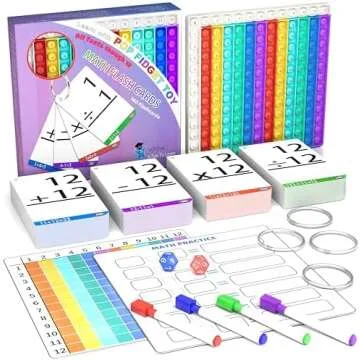
One of the most effective ways to introduce children to math is through interactive tools like flashcards. The Engaging Fun Math Flash Cards for Kids Aged 4-8 are perfect for children just starting their math journey. These cards are designed to make learning easy and enjoyable, featuring vibrant colors and engaging graphics that captivate young minds. Flashcards not only improve recognition and recall but also encourage play-based learning, making math less intimidating.
Incorporating these flashcards into daily practice can also create a fun routine that your child will look forward to. Praise and positive reinforcement when they answer correctly will boost their confidence and enthusiasm for learning more about math.
Hands-On Learning with Three Bear Family Patterns
Fostering early mathematical skills involves more than just numbers; it’s about patterns, counting, and logic. The Learning Resources Three Bear Family Pattern Cards offer a delightful way to teach children about patterns while also incorporating play. This engaging set allows children to use the adorable bear counters to create their own unique patterns, nurturing both their analytical skills and creativity.
Using these pattern cards helps children understand the foundations of math used in everyday situations, reinforcing skills through visual and tactile learning experiences. They can easily count, sort, and create sequences, which are vital skills as they advance through their schooling.
Interactive Games for Addition and Subtraction
Make learning additions and subtractions exciting with the Sums in Space Addition and Subtraction Game. This game is designed for kids aged 5-7, making it a fantastic tool for kindergarten and first-grade learners. With a fun outer space theme, the game keeps children engaged while they practice their math skills. Children will enjoy playing it alone or with family, turning practice into a fun bonding experience.
Interactive games like this not only help kids enjoy practicing math but also enhance their problem-solving skills and teamwork when played with others. The excitement it brings can inspire kids to embrace challenges they might normally shy away from.
STEM Education Made Fun with MathLink Cubes
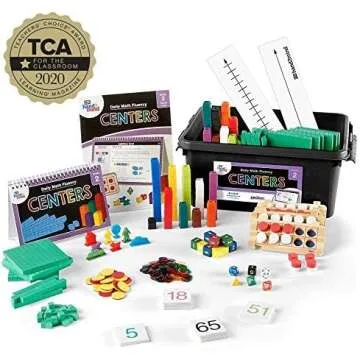
For those looking to blend learning with hands-on activities, Learning Resources MathLink Cubes are fantastic for hands-on STEM education. These colorful cubes can be linked together to form various structures, helping kids visualize mathematical concepts such as addition, subtraction, and even multiplication. The tactile nature of the cubes makes abstract concepts concrete and relatable.
As children build with these cubes, they develop critical motor skills while learning essential math concepts. They can be used for solo play or in small groups, providing versatility for different learning environments.
Building Confidence in Young Learners
The Fun Express Stack It Peg Game presents another fun option for developing early mathematical skills. Ideal for toddlers, this game combines counting and sorting with a creative assembly experience. By stacking colorful pegs, children not only have fun but also refine their spatial awareness, hand-eye coordination, and attention to detail - all vital skills for future math success.
Additionally, games designed for occupational therapy, such as this peg game, can offer therapeutic benefits for children with autism, making it a wonderful resource for inclusive homeschooling. The challenge and excitement of stacking can help kids persist in learning through play.
Essential Math Manipulatives for Counting
Introducing children to versatile math manipulatives, like the Learning Resources Three Bear Family Counters, can enhance their learning experience. This set of 96 bear counters is perfect for educational activities, allowing children aged 3 and up to count, sort, and understand basic math concepts.
Using these counters can aid in teaching children about numbers, basic addition and subtraction, and even early problem-solving skills. Additionally, they can be used in various ways, making them a flexible resource for different mathematical tasks.
Fun Maths for Every Age
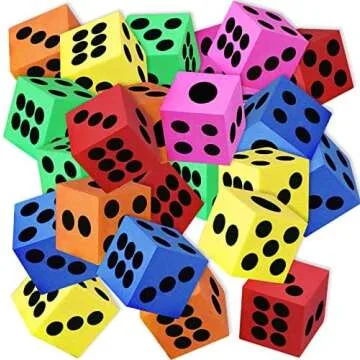
No list of math learning tools would be complete without mentioning engaging game options for older kids. The Think Fun Math Dice offers a fun way for kids aged 7 and up to test their math skills. This game turns learning math into a playful challenge, making it perfect for family game nights.
Not only do these math dice encourage healthy competition, but they also promote a deep understanding of arithmetic. As children strategize to score points, they’ll enhance their critical thinking skills and quicken their mental math abilities.
FAQs About Homeschooling Math Resources
What are the best age-appropriate math resources for homeschooling?
For younger children, resources like fun flashcards and counting manipulatives are excellent for early math skills. As children grow older, interactive games and challenge sets can help deepen their understanding.
How can I make math enjoyable for my kids?
Utilize engaging tools like interactive games, colorful manipulatives, and real-life scenarios to make lessons relatable and fun.
Are math games effective in teaching kids?
Absolutely! Games can make learning enjoyable while reinforcing essential skills. They turn math activities into playful experiences that children will want to repeat.
How can I incorporate hands-on learning in math?
Integrating tools like MathLink cubes or counting chips into lessons can provide tactile learning opportunities that help children grasp concepts better.
Can these products assist with special needs education?
Many of these tools, like the peg games and manipulatives, can be incredibly beneficial in supporting diverse learning needs, offering both therapeutic and educational advantages.
By exploring these resources, you can create a tailored learning environment that truly caters to your child's individual needs.
Whether you're just starting your homeschooling journey or looking to refresh your math teaching tools, the products listed here can help make homeschooling math a positive and enriching experience. With engaging resources to explore, your child will not only learn foundational skills but will also grow to love learning itself. Explore your favorites now and set your child on the path to math success!



 Continue with Google