





Choosing the right book for your child or classroom library can be challenging, especially when you encounter titles that have been deemed controversial or even banned. Yet, many of these favorite banned books offer profound insights and spark important conversations for young readers. In this curated list, you will discover books that not only have been banned in various schools across the United States but are also powerful narratives full of creativity, diversity, and critical thinking. Reading these books can enhance children's understanding of societal issues and promote empathy.
Whether you are a teacher looking to add diverse perspectives to your classroom or a parent seeking to guide your child's reading journey, this list will provide you with remarkable selections that challenge norms and inspire intellectual growth. Let’s delve into these favorite banned books that I wholeheartedly recommend!
Understanding the Impact of Young Literature
Young adult literature and children's books have the power to shape the minds of future generations. Books such as Something Happened in Our Town: A Child's Story About Racial Injustice delve into sensitive issues like racial inequality, providing a platform for discussions that are often avoided in traditional classroom settings. This book serves as a vital educational tool, enabling young readers to engage with topics of social injustice in a relatable and approachable way.
When students encounter stories that reflect their realities or challenge their perspectives, they are likely to develop a deeper understanding of the world around them. Incorporating books like this into your curriculum can encourage critical thinking and foster a supportive environment for all students.
Stories of Resilience and Hope
Books that have been challenged or banned often tell stories of perseverance against adversity. For instance, Ghost Boys addresses the complexities of race and police violence through the eyes of a young boy who becomes a ghost after a tragic incident. This poignant narrative not only addresses tough truths but also gives readers a sense of hope and resilience. By introducing such books, you can help students navigate their feelings about current events while igniting conversations about fairness and justice.
Encouraging discussions around these stories can help students recognize their own potential to effect change. They learn not just to take in narratives, but to analyze and question societal norms, contributing to their personal growth as well-rounded individuals.
Diversity in Characters and Stories
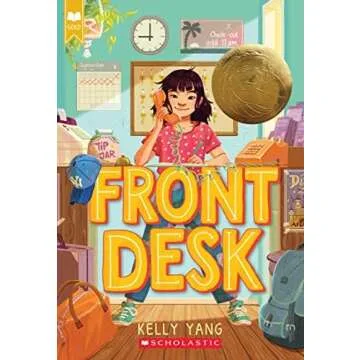
Diversity in literature is crucial for representation and understanding. Reading about characters from various backgrounds helps children relate to different experiences and cultures. Books like Front Desk tell the story of a young immigrant girl navigating personal and societal challenges that many can relate to. This book not only entertains but educates readers about the immigrant experience, fostering empathy and understanding.
Moreover, integrating diverse characters into reading materials can bridge gaps between cultures, helping to create more inclusive classrooms. Students are more engaged and motivated when they see themselves or learn about others' experiences within the stories they read.
Encouraging Critical Conversations
Books like Allegedly challenge readers to think critically about the justice system and morality. This gripping story forces readers to confront their biases and consider the darker sides of human behavior. Engaging with such complex themes not only enhances comprehension but also encourages meaningful discussions that can lead to personal reflection and growth.
Facilitating open conversations around challenging topics helps students develop their analytical skills and empowers them to voice their opinions respectfully. It's essential for educators to create safe spaces where thick discussions about morality, justice, and personal values can happen organically.
Finding the Right Balance
Amidst discussions of sensitive topics, balance is key. Books like Monday's Not Coming draw readers into compelling narratives while maintaining sensitivity towards difficult themes. Such books remind us that we can deliver important messages without overwhelming young readers. It's essential to match literary choices with the developmental readiness of students to facilitate understanding.
When selecting favorite banned books for your library, consider the age and maturity levels of your students. Pair thought-provoking books with lighter reads to keep students engaged while nurturing their ability to handle complex themes.
Frequently Asked Questions
- Why are these books banned in schools? Many books are banned due to their portrayal of race, sexuality, or violence, often reflecting societal discomfort with these topics.
- Can I include these books in my classroom library? If age-appropriate, these books can offer valuable lessons and promote important discussions in your classroom.
- Are there resources to help discuss these themes? Yes! Many educational websites provide guides and discussion questions to help facilitate meaningful conversations around sensitive subjects.
- How can I engage students with these books? Incorporate group discussions, debates, or creative projects centered around the themes of the book to encourage student engagement.
It's clear that favorite banned books hold an essential place in literature for young audiences. They invite readers to think critically, foster empathy, and develop a deeper understanding of the world. These books are not just stories; they are pathways to growth and awareness. Don't shy away from bringing these incredible titles into your library or reading list.
Explore your favorites now and introduce your readers to the world of transformative literature. Discover the magic of stories that push boundaries and inspire change. Get started on your journey of enlightening reading today!



 Continue with Google