



Understanding Emotions: A Vital Skill for Kids
As parents, educators, and caring family members, we know that fostering emotional intelligence in children is incredibly important. During the ages of 6 to 12, children experience a whirlwind of emotions, often overwhelming them. This is the perfect time to equip them with the tools they need to understand, express, and manage these complex feelings. The list of children's books below is specifically curated to help kids navigate their feelings with engaging stories and relatable characters.
Books can serve as excellent conversation starters, helping children articulate what they feel and why. It’s not just about the stories; it’s about the lessons woven in them that they'll carry throughout their lives. The resources outlined here will help children not only recognize their emotions but also learn coping strategies, making it easier for them to thrive emotionally.
1. The Importance of Emotional Storytelling
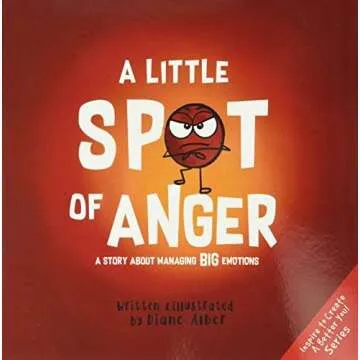
Storytelling remains one of the most powerful tools for teaching children about their emotions. Books allow kids to see their own feelings reflected in characters and their journeys. The A Little SPOT of Emotion 8 Book Box Set is a fantastic choice for fostering this connection. This set includes eight books that tackle various emotions kids face, like anger, anxiety, and sadness. Each story uses playful illustrations and relatable narratives to teach kids how to identify and articulate their feelings. You can explore this engaging set here.
Furthermore, the Ninja Life Hacks Emotions and Feelings 8 Book Box Set offers children tools to navigate their emotions in a fun, interactive way. The characters embody traits like kindness and grumpiness, serving as relatable examples for children to understand different emotional states. This is not just a typical book set; it’s an essential guide to helping kids learn emotional resilience while keeping them entertained. Check it out here.
2. Interactive Guides for Active Learning
While stories are great, interactive materials can offer an additional layer of practice in managing emotions. For instance, My Magical Feelings teaches kids essential skills to name and tame their big emotions effectively. It combines storytelling with insightful activities, encouraging kids to engage actively with the material. This book serves as an accessible tool for kids to acknowledge feelings they might struggle to articulate. Dive into this fantastic resource here.
Another excellent resource is What to Do When You Worry Too Much. This kid-friendly guide provides practical advice specifically addressing anxiety management. With relatable scenarios and actionable steps, kids will feel empowered to confront their worries head-on. This book is perfect for children dealing with apprehension about school, friendships, or family changes. Empower your child with this guide here.
3. Games that Make Learning Fun
Learning about emotions doesn’t have to stop at reading; it can also be highly interactive and enjoyable through games. The Emotional Rollercoaster board game taps into family fun while teaching vital lessons about anger management and controlling emotions. Children will enjoy playing while learning how to deal with their feelings appropriately—a perfect way for families to bond and learn together. Explore this fantastic game here.
Additionally, the Mad Dragon card game offers an engaging way to practice anger control. It’s designed for kids and families to work together in a fun scenario while reinforcing important emotional strategies. These games serve as a practical application of the skills they learn from their books, enhancing retention and understanding of emotional intelligence. Check out the game here.
4. Skill-building Workbooks for Deeper Understanding
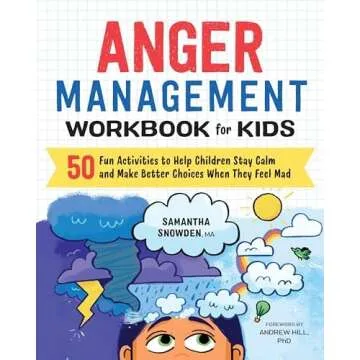
Workbooks can play a vital role in reinforcing the lessons learned through reading and playing. The Anger Management Skills Workbook for Kids includes 40 activities designed to help children calm down, cope, and regain control when faced with emotional challenges. This workbook offers hands-on exercises that are both fun and educational, ensuring the lessons stick. Perfect for kids who thrive on interactive learning, find this workbook here.
Furthermore, the CBTiger-Therapy Games for Kids provides additional tools for counselors, educators, or parents wanting to incorporate therapeutic practice into their daily routines. These games encourage social skill development through fun and interactive play. This approach is particularly beneficial for children who may need a little extra help identifying emotions and behaviors. Start your journey with this resource here.
FAQ: Common Questions about Helping Kids with Their Emotions
- What age is appropriate for children's books about emotions? Generally, books aimed at children aged 6-12 are appropriate for helping them understand emotions. These resources use age-appropriate language and scenarios that resonate with their experiences.
- How can parents encourage emotional intelligence in kids? Engaging in conversations about feelings, reading books on the topic, and providing practical coping strategies—like those found in the resources above—can help foster emotional intelligence.
- Are stories or activities better for teaching emotions? A combination of both stories and activities works best. Stories help children relate to characters, while activities allow them to practice what they've learned.
In summary, nurturing emotional intelligence in children aged 6-12 is essential for their development, not only in terms of emotional well-being but also social skills. Engaging, informative books coupled with interactive guides, games, and workbooks can turn emotional learning into an enjoyable journey. These tools provide understanding and facilitate real-life applications that resonate with kids. Explore your favorites now and nurture your child's emotional growth with these invaluable resources!



 Continue with Google