






Discover the Magic of Figurative Language
If you’re a teacher or a parent seeking to foster a love for reading and strengthen literary analysis skills in children, you’ve come to the right place. Books that utilize figurative language enrich stories, turning simple narratives into vibrant tapestries of imagery and emotion. This curated list of figurative language mentor texts not only highlights engaging stories but also serves as a vital educational resource. These texts are perfect not just for classroom settings but also for home libraries, offering children a rich vocabulary and a broader understanding of how language can be used creatively.
Engaging with literature that employs figurative language unlocks a world of imagination. It allows students to analyze beyond the surface and discover deeper meanings within texts. By incorporating these mentor texts into your reading repertoire, you're not just providing stories; you're nurturing curious minds who appreciate the beauty of words and their impact on storytelling.
Enhance Learning with "Fish in a Tree"
"Fish in a Tree" by Lynda Mullaly Hunt is a heartwarming tale that underscores the struggles of children with learning differences. The story revolves around Ally, a bright girl who feels out of place because she cannot read. This engaging narrative highlights themes of resilience and the importance of understanding diverse learning styles. Teachers can utilize this book to teach figurative language through its rich metaphors and similes, inviting students to explore language creatively.
Using "Fish in a Tree" in lessons can lead to discussions about empathy, understanding, and the power of words—perfect for students who might feel different or isolated. To see more about this inspiring story, check out this link.
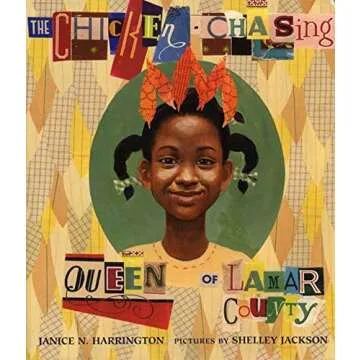
Celebrate Creativity with "The Chicken-Chasing Queen of Lamar County"
In "The Chicken-Chasing Queen of Lamar County" by Sarah Harrison Smith, readers are taken on a whimsical adventure filled with lively characters and colorful imagery. This delightful story not only engages children but also offers a treasure trove of figurative language and expressions to analyze. It's an excellent choice for lessons focused on how language can create vivid images in the reader's mind, showcasing the beauty and humor that can be found in storytelling.
Introduce students to idioms and playful language through this mentor text, allowing them to explore how creative word choices influence the overall narrative. It’s a perfect companion for a classroom where creativity is valued and encouraged. Check out more about this book here.
Inspire Change with "Esperanza Rising"
"Esperanza Rising" by Pam Muñoz Ryan presents powerful themes of hope and resilience that resonate deeply. This story follows a young girl fleeing her privileged life in Mexico after tragedy strikes. The rich figurative language within the novel enhances emotional depth, making it an excellent choice for discussions about descriptive writing and metaphorical language. Teachers can use this book to model how to convey profound feelings and settings through carefully chosen words.
This story is not only a compelling read but also provides a wonderful opportunity to create projects that involve writing their own stories using similar styles of figurative language. Learn more about this transformative book by visiting this link.
Explore Nature with "One Tiny Turtle"
For younger readers, "One Tiny Turtle: Read and Wonder" by Nicola Davies presents a gentle journey into nature. This book uses beautiful imagery and factual information in a way that inspires a love for the environment through its use of figurative language. It serves as a gateway for discussions about nature and the importance of conservation.
Books like this encourage children to connect emotionally with the world around them, prompting them to ask questions and engage in creative writing. They can describe their favorite animal or plant life through their own use of figurative language. Discover more about this lovely story here.
Empower Through Perspective with "The Day You Begin"
"The Day You Begin" by Jacqueline Woodson is a beautiful exploration of belonging and courage. It encourages children to celebrate their uniqueness while also acknowledging their fears. The language used in the book is rich with metaphor and visual imagery, making it a perfect choice for teaching students about the impact of figurative language on storytelling and its ability to express complex emotions.
Through this story, students can explore and share their experiences, learning to articulate feelings through their writing. Engaging with this text can foster empathy among peers, making the classroom a welcoming space for all learners. Check it out here.
Welcome the Seasons with "In November"
"In November" by Cynthia Rylant captures the essence of autumn through stunning figurative language. The narrative invites readers to appreciate the beauty surrounding them while providing an opportunity to discuss descriptive writing. The poetic use of language makes it a delightful read that appeals to both children and adults alike.
This book serves as a great model for writing seasonal poetry or stories that reflect personal experiences around this time of year, allowing students to incorporate their own figurative language. Dive deeper into this charming tale by visiting this link.
Increase Cultural Awareness with "We Are Water Protectors"
"We Are Water Protectors" by Carol Lindstrom provides an inspiring message about protecting the environment and cultural identity. It employs stunning imagery and strong metaphors that resonate deeply with young readers. This book not only highlights the violence done to nature but also explores the importance of speaking up for one’s community through its rich use of figurative language.
Teachers can utilize this book to spark discussions about activism and conservation, encouraging students to use metaphorical language to express their views on environmental issues. It makes for a perfect addition to any literature circle focused on social justice and community empowerment. Learn more about this essential read here.
Find Joy in Everyday Moments with "Hello, Harvest Moon"
"Hello, Harvest Moon" by Ralph Fletcher celebrates the beauty of a specific moment and invites readers to slow down and appreciate life’s small wonders. The book is filled with warmth and uses delightful figurative language to paint picturesque scenes of everyday life, making it perfect for younger audiences who can learn to appreciate descriptive language.
Using this text in the classroom can inspire children to create their narratives that celebrate their lives, encouraging personal storytelling through evocative language. Delve into this charming book by checking out this link.
Frequently Asked Questions
- What is figurative language? Figurative language refers to the use of words or phrases that go beyond their literal meanings to express ideas more vividly or to create effects.
- How can figurative language help students in their reading? By understanding figurative language, students can comprehend texts on a deeper level, fostering critical thinking and creativity in their writing.
- Why are mentor texts important for teaching? Mentor texts serve as examples that help students learn from established authors, inspiring them to refine their writing techniques and styles.
- At what age should children begin exploring figurative language? Children can start exploring figurative language as early as kindergarten, with simplified texts that gradually introduce more complex language as they advance in reading skills.
Engaging with these selected figurative language mentor texts is sure to inspire both teachers and students alike. As you incorporate them into your reading materials, remember the beauty and power of words to enhance understanding, empathy, and creativity. Don’t hesitate to explore your favorites now and discover new stories that will enchant young minds! Happy reading!



 Continue with Google