






Understanding Trauma, Grief, and Loss
When it comes to navigating the complexities of trauma, grief, and loss, resources that guide parents, caregivers, and professionals are not just helpful—they are essential. Whether you are a parent looking for ways to support a child through difficult times or a professional seeking effective techniques to foster resilience in those you care for, the right tools can make a world of difference. This curated list features vital literature that not only addresses these poignant themes but also empowers the reader to foster healing and resilience.
In a world where children often face unique challenges, the capacity to understand and manage their emotional landscapes is invaluable. The following resources have been carefully selected to provide insight into therapeutic practices, trauma-informed approaches, and techniques to nurture a child’s emotional well-being. By embracing such literature, you can ensure that you are well-equipped to support the young souls navigating through life's toughest moments.
Essential Reading for Healing Parenting
The journey of parenting a child affected by trauma is often filled with unexpected challenges. One pivotal resource in this arena is The A-Z of Therapeutic Parenting. This book offers a comprehensive guide to the foundational principles of therapeutic parenting, bringing clarity and structure to caregivers who may feel overwhelmed. It equips parents with practical tools and strategies designed to foster trust and build meaningful connections with their children.
Complementing this resource is The Yes Brain: How to Cultivate Courage, Curiosity, and Resilience in Your Child. This insightful book delves into how to instill curiosity and courage in children, allowing them to navigate their emotional terrain with a sense of confidence. Together, these resources form a well-rounded approach to therapeutic parenting, establishing a solid foundation for emotional growth.
Cultivating Emotional Resilience
In helping children cope with trauma and fostering resilience, literature on emotional intelligence is vital. The Whole-Brain Child presents twelve strategies that nurture a child’s developing mind. This book translates neuroscience into accessible strategies for parents, ensuring they can promote healthy brain development and emotional resilience in their children.
Additionally, The Yes Brain Workbook complements the insights from The Yes Brain, offering practical exercises and activities designed to strengthen the principles discussed in the original text. By integrating these strategies into daily routines, parents can help their children embrace resilience as they encounter challenges in their lives.
Supporting Families Through Trauma
Understanding the unique dynamics that adoptive and foster families face is crucial in supporting children who have experienced trauma. Wounded Children, Healing Homes explores how trauma affects these family structures and provides critical insight for caregivers. This book ensures that both children and their families can navigate the healing process together.
Another excellent resource for families is The Connected Child. This book emphasizes attachment and healing, offering practical solutions that foster a sense of safety and belonging for adoptive and foster children. By addressing the complexities of trauma within the family context, these resources provide essential support for families on their healing journey.
Embracing Trauma-Informed Approaches
For educators and professionals, understanding trauma-informed teaching is essential. The A-Z of Trauma-Informed Teaching presents a detailed exploration of how trauma impacts learning, equipping educators with strategies to create supportive learning environments. By implementing these practices, teachers can better serve children who have faced trauma, ultimately promoting a more inclusive and understanding atmosphere in the classroom.
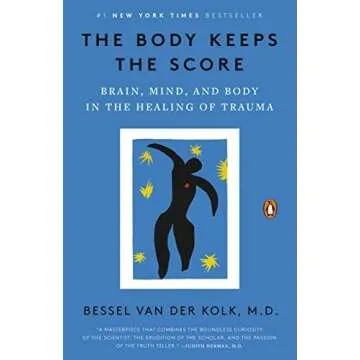
Moreover, the insights shared in The Body Keeps the Score look at the intersection of trauma and the body. This book sheds light on how trauma manifests physically and provides techniques for healing that underscore the significance of a holistic approach to well-being.
Encouraging Open Communication
Creating an open dialogue about trauma, grief, and loss is imperative in fostering healing. The Connected Parent offers valuable strategies for establishing trust and attachment, which are crucial in conversations surrounding difficult topics. This book encourages parents to engage openly and empathetically with their children, providing the space needed for emotional communication.
By facilitating these connections and encouraging openness, caregivers create an environment where emotions can be expressed freely. This atmosphere of acceptance significantly enhances a child’s ability to work through grief and loss, aiding in their overall resilience.
Frequently Asked Questions
What is therapeutic parenting? Therapeutic parenting is an approach designed for those raising children who have experienced trauma. It involves creating a nurturing environment that fosters trust and emotional development through specific strategies and practices.
How can children cope with loss? Helping children cope with loss involves open communication, emotional support, and age-appropriate discussions about their feelings. Resources like The Whole-Brain Child can provide actionable steps for parents.
What role does resilience play in child development? Resilience is crucial as it helps children adapt to challenges, learn problem-solving skills, and recover from setbacks. Books such as The Yes Brain focus on cultivating these traits effectively.
As you explore these insightful resources, remember that the journey through trauma, grief, and loss is not a solitary one. The tools available can make a meaningful impact in the lives of children and their caregivers, fostering a brighter future of hope and healing.
Explore your favorites now and discover how these essential resources can help you support the children and families in your life facing emotional challenges. Together, we can cultivate resilience and understanding, nurturing future health and happiness.



 Continue with Google