



Powering Your Home with Solar Energy: A Comprehensive Guide
Are you exploring the idea of transitioning your home to solar energy? Whether you’re looking to cut down on your electricity bill, minimize your carbon footprint, or simply create a more sustainable living environment, you're in the right place! The solar energy landscape can feel overwhelming at first, but it becomes manageable when you break it down into its components.
In this guide, we've compiled a detailed list of the essential items we utilized to set up our solar system at home. Each component has its unique purpose and contributes to a well-functioning solar energy system. Let's dive in and discover not only what you'll need but also why these products stand out in the realm of renewable energy solutions.
Solar Panels: The Heart of Your Setup
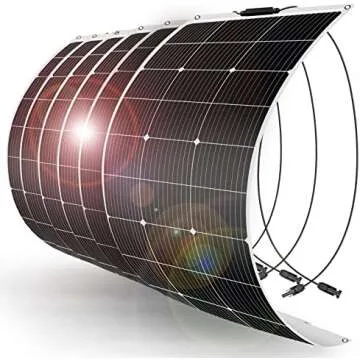
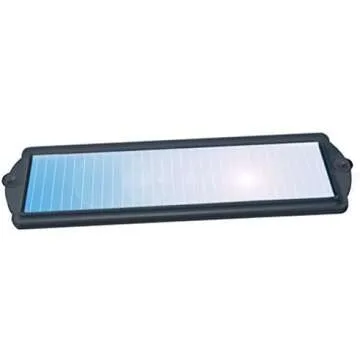
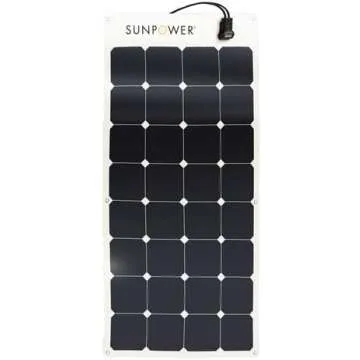
At the forefront of any solar energy setup are the solar panels. We chose 10x 435W Monocrystalline panels from SanTan Solar, which provide excellent efficiency, even on cloudy days. Monocrystalline panels are known for their high energy conversion rates and durability, making them a solid investment for long-term energy savings. You can check out these panels and their specifications by visiting SanTan Solar Panels.
Investing in quality panels is essential, as they are directly responsible for converting sunlight into electricity. If you want to embrace an eco-friendly lifestyle or are simply eager to get started on your solar journey, make sure you shop wisely to get the best deal on reliable panels. Additionally, you’ll want to consider the installation space and optimal orientation for capturing maximum sunlight.
Batteries: Storing Energy for Later Use
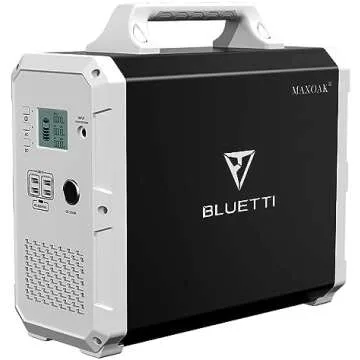
Energy storage is a crucial aspect of a solar setup, which is why we selected three 204Ah SOK batteries. These batteries are designed for long-lasting performance and deep cycling capabilities, ensuring you have enough energy stored to power your home even during cloudy days or nighttime. You can discover more about these batteries at SOK Batteries.
Choosing the right batteries is all about balancing capacity with your energy needs. The more efficiently you can store energy, the less you’ll rely on grid power, thus maximizing your investment. It's wise to evaluate your household's energy consumption to determine the right number of batteries needed for optimal energy independence.
Charge Controllers: The Key to Efficient Power Management
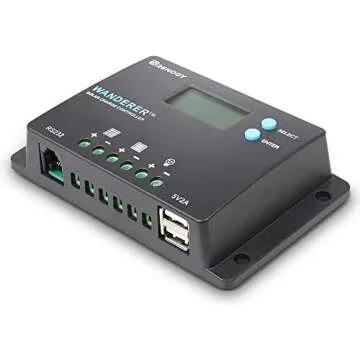
No solar setup is complete without a robust charge controller. We opted for a Victron 250V|100A charge controller, which not only helps regulate the flow of energy from the solar panels to the batteries but also prevents overcharging. This component is vital in extending the lifespan of your batteries and ensuring a smooth energy flow. Learn more about this impressive charge controller via Victron Charge Controller.
Investing in a high-quality charge controller can save you money in the long run, as it protects your investment against damage and inefficiencies. A good charge controller will enhance the overall performance of your system, so it’s worth taking the time to research your options.
Inverters: Transforming Solar Energy for Home Use
The next vital component of our solar system is the inverter, specifically the 3kW Inverter 36V. This device converts the direct current (DC) electricity produced by solar panels into alternating current (AC) electricity, which is what most home appliances require. A quality inverter ensures that your home can run efficiently on solar power. For more details, check the inverter at 3kW Inverter.
A reliable inverter not only enhances energy efficiency but also maximizes the performance of your solar setup. Moreover, some inverters come with additional features like smart load management or grid interaction, making them a savvy choice for modern homes aiming for energy independence.
Additional Components: Accessories That Matter
- Wiring and Connections: Quality wiring is crucial for the safety and effectiveness of your solar setup. We recommend using 5952 VHB Tape for durable and weather-resistant connections, ensuring your system withstands the elements.
- Battery Monitoring: Using a Victron Energy SmartShunt Battery Monitor allows you to track your battery performance via Bluetooth. Keep an eye on your energy consumption and optimize your usage by visiting SmartShunt Monitor.
- Cable Entry: LINKSOLAR Weatherproof ABS Solar Double Cable Entry Gland is perfect for ensuring your connections are sealed and protected from water damage. Learn more about it here.
- Power Switch: Add an Ampper Battery Switch to your setup for easy on/off functionality, allowing you to disconnect your batteries safely when needed. Details are available here.
- Sealing Solutions: Use LLPT Butyl Tape for high-quality sealing applications, perfect for ensuring all outdoor installations remain leak-proof. Check it out here.
Frequently Asked Questions about Solar Energy Setup
What are the benefits of using solar energy?
Solar energy can dramatically reduce your utility bills, increase your energy independence, and decrease your carbon footprint, making it an eco-friendly option.
How much does it cost to set up a solar system?
The cost varies widely based on the size of your system, the components you choose, and installation fees. However, federal and local incentives can help lower initial expenses.
Do I need a battery with solar panels?
While not mandatory, having a battery is recommended for storing excess energy, allowing you to utilize solar power even when the sun isn’t shining.
Can I install solar panels myself?
DIY installation is possible but requires knowledge of electrical systems and safety precautions. It's often advisable to hire professionals to ensure safety and compliance with regulations.
Creating a solar setup at home is an empowering journey toward sustainability and energy independence. Each element of your system plays a vital role in ensuring it operates smoothly and efficiently. By choosing the best resources available for your solar installation, you’ll be on your way to enjoying the benefits of renewable energy.
Get inspired and shop smarter today! Explore the components that best fit your new solar lifestyle and enjoy making a positive impact on your home and the environment.



 Continue with Google