





Introduction to Teaching Kids the Value of Money
In today’s fast-paced world, teaching kids about money is more important than ever. It’s not just about making transactions; understanding the value of money and how to manage it can set your children up for success in life. As gift buyers, whether you're a parent, grandparent, or family friend, you have the incredible opportunity to give gifts that not only bring joy but also instill valuable lessons. This Kids and Money Gift Guide is tailored to help you find the perfect educational gifts that will enrich your child’s understanding of finances.
Choosing a present that teaches kids about money can be a rewarding experience. Whether it’s through playful interactions, hands-on activities, or engaging games, the items listed here are selected to foster a sense of responsibility and financial literacy. So, let’s dive into these fantastic tools and toys that will make learning about money fun and effective!
The Joy of Interactive Learning with Cash Registers
One of the most engaging ways to introduce children to the concept of money is through play. Toys like the Interactive Kids Cash Register Toy provide an interactive experience that blends math skills with pretend play. This delightful toy not only entertains but also develops essential math skills, making it perfect for young learners eager to understand transactions.
Additionally, the Fisher-Price Classics - Retro Cash Register takes this concept a step further. Designed for preschoolers ages 2 and up, it captures the nostalgic feel of a classic toy while encouraging imaginative play. Kids can explore the roles of cashiers and customers while learning to count money, improving both their number recognition and social skills.
Saving Made Simple with Coin-Counting Tools
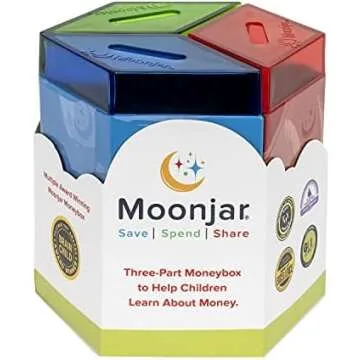
Encouraging kids to save is another crucial aspect of financial literacy. The Discovery Kids Coin-Counting Money Jar simplifies saving by automatically counting coins as they are deposited. This innovative tool not only motivates kids to save but also teaches them how to keep track of their finances—an essential life skill. As children watch their savings grow, they'll gain a practical understanding of saving and budgeting.
Complement this with the Ramsey Press Junior Adventure Bank, which features fun elements like adventure themes. This bank makes the act of saving an adventure itself, promoting the idea that saving can be exciting. By gamifying the saving process, your child might be more inclined to set aside money for their desired toys or activities!
Engaging Games for Financial Education
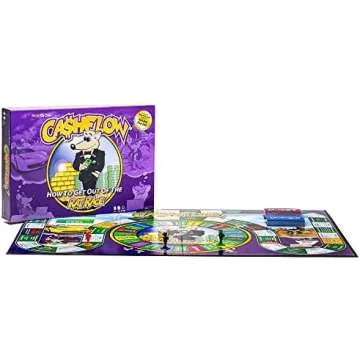
Learning about money doesn’t have to be dull. Board games like Cashflow 101 allow families to come together while teaching kids about investing and financial strategy. This game, created by personal finance expert Robert Kiyosaki, helps kids understand the importance of making smart financial decisions in a fun and interactive way. It’s an excellent choice for older children who are ready to dive deeper into financial concepts.
For younger audiences, the Learning Resources Money Bags Coin Value Game combines fun and education. This game involves collecting coins and learning their values, making it an engaging way to practice math skills while discussing money management. Perfect for 2 to 4 players, this game encourages social interaction and teamwork while emphasizing financial literacy.
The Importance of Play Money
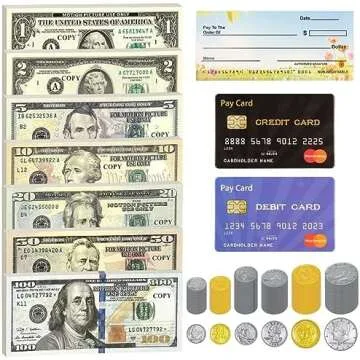
Teaching kids the value of money can also be done through realistic play scenarios using play money. The Melissa & Doug Play Money Set brings the real world into play by providing kids with paper bills and plastic coins. This extensive set aids in understanding denominations, making it a great addition to any play kitchen or cash register setup. As children role play, they can practice counting, making purchases, and understanding transactions.
Additionally, the Fisher-Price Laugh & Learn Smart Stages Piggy Bank adds an extra layer of excitement with its fun sounds and lights that engage younger children. This piggy bank makes saving a musical and entertaining experience, emphasizing that saving is just as important as spending.
Frequently Asked Questions
- At what age should I start teaching my child about money?
The earlier, the better! Many concepts can be introduced as early as age 2 through play. Start with simple ideas about saving and spending. - What are the best gifts to teach kids about money?
Gifts like interactive cash registers, coin-counting jars, and play money sets are fantastic. They combine learning with play while making the experience enjoyable. - How can I make learning about money fun?
Incorporate games and playful activities, such as board games and role-playing. This approach keeps engagements high and lessons memorable.
By integrating these elements into their play, you can help foster a solid understanding of money in a way that feels natural and fun. Each product in this guide aims to support your child on their financial journey while generating excitement and curiosity about the world of money.
The gifts in this Kids and Money Gift Guide pave the way for your child to develop essential money management skills. Whether through gaming, interactive play, or saving, these items stand out as practical tools for young learners. They embody the values you wish to instill in your child and encourage a healthy relationship with money from an early age.
Explore your favorites now and discover how these fantastic gifts can transform your child’s understanding of finances, setting them up for a bright future filled with financial wisdom!



 Continue with Google