






Making Learning an Adventure with Fun Educational Games
When it comes to engaging young minds, transforming a mundane learning process into an exciting adventure is crucial. Learning games play a vital role in this transformation, captivating children’s interests and sparking their curiosity. By incorporating playtime into education, parents and educators alike can make difficult concepts easier to grasp and encourage a love for learning from an early age.
Whether you’re searching for the perfect gift for a birthday party, looking for classroom resources, or trying to get kids enthusiastic about reinforcement skills, this list has something for every occasion. With engaging topics ranging from math to language arts, these education-based games will not only entertain but will also enrich children’s learning experiences. Let’s dive into some fantastic learning games that make education fun!
1. Endless Possibilities with TENZI 77 Ways to Play Card Set
The TENZI 77 Ways to Play Card Set offers a unique spin on a classic game. With a whopping 77 different ways to play, this card set guarantees endless fun for players of all ages! Your family can enjoy varied gameplay experiences, making it an excellent choice for large gatherings or quiet family nights at home.
Not only does TENZI provide fast-paced excitement, but it also supports critical thinking and strategy skills as players navigate different challenges. Whether you're in need of a party game or a family bonding activity, the TENZI set will keep everyone engaged and entertained, all while reinforcing important cognitive skills.
2. Dice Games That Encourage Thinking Skills
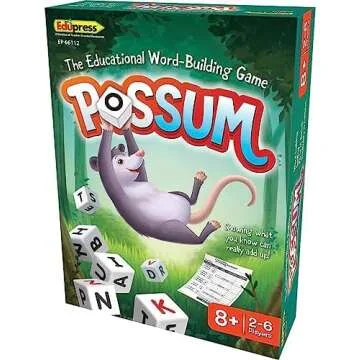
Diving into the world of dice games, the Teacher Created Resources Possum Dice Game stands out as a treasure trove of fun! Designed to make learning math concepts enjoyable, this engaging game allows players to practice counting, addition, and basic math skills without feeling like they are in a classroom setting. It’s perfect for players aged 5 and up and ideal for home or classroom play.
Meanwhile, for a twist on traditional dice games, consider the University Games, Scholastic Math Match Travel Dice Game. This game requires players to match the correct mathematical expressions, reinforcing their math skills while promoting friendly competition. Perfect for travel, it ensures that kids can practice their math skills wherever they go, making learning accessible and fun.
3. Creative Learning Through Hands-On Play
Hands-on activities can significantly boost understanding and retention of educational concepts. The Discovery Toys Giant PEGBOARD is an excellent choice for nurturing creativity and critical thinking in young children as they stack shapes and follow activity cards. Suitable for kids aged 19 months and older, this STEM toy fosters early childhood development while providing opportunities for imaginative play.
Similarly, the Junior Learning JL144 Roll-A-Story game allows children to create their own stories with just a roll of the dice. This interactive approach enhances language skills and storytelling abilities, all while letting their imaginations run wild! It’s a fantastic tool for both solo and group play, ensuring an engaging learning experience.
4. Engaging Learning Resource for Early Readers
Fostering a love for reading and phonics skills is crucial in a child's educational journey, and the Learning Resources Snap It Up! Phonics & Reading Card Game makes this easy and enjoyable. With 90 cards included, kids aged 6+ will find plenty of opportunities to practice their reading and phonics skills playfully.
For an interactive board game option, the Hasbro Gaming Boggle Junior presents a fantastic choice for preschoolers. This engaging game helps children learn to form words while having a blast, boosting their confidence and making literacy skill-building fun and competitive. Kids won’t even realize they are learning as they try to beat their friends at word formation!
5. Making Math Fun with Pizzas and Rubber Bands
Who said math couldn't be delicious? The Learning Resources Pizza Fraction Fun Game turns fractions into a tasty lesson that kids will love. With 67 pieces, this interactive game teaches children about fractions using colorful pizza slices, ensuring they grasp the concept with ease. Learning math has never been this enjoyable!
On a different note, using everyday items can also foster creativity. The BAZIC assorted rubber bands are a simple yet effective resource for imaginative play and craft activities. Encourage kids to use their rubber bands for art projects or math activities, allowing them to engage actively with various learning concepts using fun and familiar materials.
6. Discovering the Advantages of Learning Games
Integrating learning games into daily activities is a brilliant way to keep children actively engaged in learning. Not only do they help solidify concepts taught in school, but they also promote collaboration among peers, which is essential for social skills development. In addition, educational games are effective at boosting self-confidence as children experience success through play.
Moreover, the best part about these games is that they provide an excellent platform for parents to bond with their children. It’s not merely about teaching; it’s about creating relationships, sharing laughter, and cherishing memories while tackling tough subjects together. Investing in educational games can yield long-term benefits that extend beyond just academics.
FAQ: Frequently Asked Questions About Educational Games
- What are the best types of games for enhancing learning?
Games that incorporate problem-solving, critical thinking, and creativity are among the best for enhancing learning. Games such as math board games, phonics card games, and hands-on STEM toys provide varied experiences that promote different skills.
- At what age should I start using educational games?
You can start incorporating educational games into playtime as early as toddlerhood. Many games are suitable for kids aged 3 and up, offering age-appropriate challenges that foster early learning.
- How do educational games benefit a child’s learning?
Educational games benefit child learning by making complex topics enjoyable and relatable. They encourage active learning, improve retention, and promote social interaction among peers, making learning a fun and collaborative experience.
In conclusion, embracing learning games in your child’s life can create an environment where education becomes a joyful adventure. From math to reading, these games offer creative ways to impart knowledge while ensuring that fun is always part of the process. Explore your favorites now, and see how these exceptional tools can make learning an engaging experience for your child. Happy shopping and here’s to nurturing the next generation of enthusiastic learners!



 Continue with Google