







Introduction to Navigating Big Emotions Through Picture Books
Life can throw us unexpected challenges, often leading to feelings we struggle to articulate, especially among children. It’s during these tough times that the power of storytelling and vibrant illustrations can offer comfort and understanding. This curated list of picture books is designed specifically for those seeking ways to assist children in processing their big feelings—be it grief, anxiety, or confusion. These stories provide a safe haven for both kids and adults as they explore the complex landscape of emotions.
Whether you’re a parent, teacher, or friend looking for the right gift or tool to support a young reader, you’ve come to the right place. Each book in this list has been thoughtfully selected to enrich emotional literacy and foster discussions about feelings, making the reading experience both enjoyable and therapeutic. Let’s dive into these soulful stories that serve as companions during challenging times.
The Gift of Processing Grief
One of the hardest emotions to navigate is grief. For young readers, the concept can be bewildering and overwhelming. The Memory Box: A Book About Grief is an excellent resource that gently helps children understand loss and the memories that stay with us. This touching narrative encourages children to remember their loved ones through shared stories, making it a heartfelt approach to discussing grief. You can discover more about this valuable guide here.
Using stories like this can open windows of conversation about what it means to miss someone. Sharing these moments together not only helps in processing grief but also strengthens emotional connections between children and caregivers.
Building Emotional Literacy in Young Hearts
Emotional intelligence is a critical skill for navigating life, and teaching young ones about their feelings can be incredibly empowering. In My Heart: A Book of Feelings for Kids serves as a fantastic emotional learning tool. The book illustrates various emotions in a relatable way, helping children recognize and articulate what they feel. It’s a wonderful resource for parents and educators to encourage discussions around emotions. Check out this fabulous tool here.
Books like this can transform the way children express themselves, bridging gaps in their understanding of complex feelings. By offering scenarios and depictions that they can relate to, kids can gain confidence in expressing themselves, ensuring they feel heard and understood.
Finding Joy Amidst Stormy Weather
Sometimes, it takes a vivid story to remind us that even during gray, stormy days, there can still be hope and joy. The Pink Umbrella is a delightful story about embracing adventure and unexpected changes in life. This tale inspires children to find joy even when things don’t go as planned. If you're interested in adding a splash of positivity to your storytime, don’t miss out on this joyful experience here.
Discussing the themes in this book can help children understand resilience—a fundamental lesson as they learn to navigate life’s ups and downs. Sharing stories like this cultivates a sense of optimism that children can carry with them.
Strengthening Emotional Connections
Feelings of connection are vital for our emotional well-being. The Invisible String: A Heartfelt Children's Book for Emotional Connection explores the notion of invisible strings that tie us to our loved ones, even when they are not physically present. This concept can reassure children, helping them feel a sense of closeness despite distance or separation. It’s a beautiful reminder of love's enduring presence, which you can explore more here.
Using narratives such as this allows parents to discuss topics of connection and love with their children, reinforcing emotional bonds essential for navigating anxiety and loneliness.
Embracing Mindfulness
In a fast-paced world, teaching children to slow down and breathe can be transformative. My Magic Breath: Finding Calm Through Mindful Breathing introduces children to mindfulness through simple breathing exercises embedded in a magical narrative. This engaging story helps children learn techniques to manage their feelings and calm down during stressful moments. You can add this mindfulness tool to your collection here.
By incorporating mindfulness into storytelling, children can develop coping mechanisms that aid in emotional regulation, setting a foundation for healthy emotional habits as they continue to grow.
Understanding Emotions Through Color
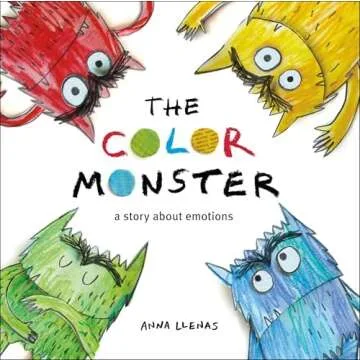
The relationship between colors and emotions can be captivating and therapeutic. The Color Monster: A Story About Emotions illustrates this connection beautifully by using colors to represent different feelings. This whimsical tale allows children to explore their emotions creatively and visually—a fantastic tool for understanding what they are going through. Find out more about this vibrant tale here.
Such books can turn emotional education into an enjoyable activity, encouraging children to discuss their feelings by associating them with colors they can see and identify.
Encouraging Listening and Understanding
Lastly, learning to be present for others is a crucial skill for children. The Rabbit Listened teaches the value of listening without judgment, emphasizing that sometimes the best support is simply to be there for someone in their time of need. This story promotes empathy and understanding, vital emotions in forming healthy relationships. Discover more about this insightful book here.
Books like this encourage children to become listeners, fostering deeper connections with peers and family members and enhancing their emotional awareness.
FAQ about Supporting Children’s Emotions with Books
- Why are picture books effective for teaching emotions?
Picture books combine visual storytelling with relatable characters, making it easier for children to grasp complex concepts like emotions. - How can I encourage my child to talk about their feelings?
Reading books about emotions can provide the perfect segue into conversations, as they often pose scenarios that mirror your child’s experiences. - What age group are these books suitable for?
These picture books are generally suitable for preschool through early elementary-aged children, though they can be beneficial for older children who need emotional support as well. - Are there tools besides books to help children with emotions?
Yes, incorporating activities like drawing, breathing exercises, and even play can enhance emotional understanding along with reading. - How can I promote reading about emotions in school settings?
Encourage teachers to include emotional education into their curriculum, utilizing these picture books to foster an inclusive and understanding environment.
In winding down, we hope this list of picture books to support big emotions resonates with you as you seek to nurture understanding, empathy, and emotional literacy among children. Each book represents a bridge into crucial conversations about feelings, helping children navigate their emotional worlds with confidence and clarity. Explore your favorites now, and let these stories spark joy, understanding, and healing in your life or in the lives of those around you. After all, every child deserves to feel heard and validated on their journey through life.



 Continue with Google