







Understanding the Importance of Sensory Accommodations in Schools
As educators and parents strive to create an inclusive learning environment, the needs of students with sensory challenges must take center stage. Recognizing that traditional classroom settings can be overwhelming for some children, especially those on the autism spectrum or those with ADHD, is vital. The right accommodations not only enhance focus but also promote a more enjoyable learning experience. In this guide, we delve into essential tools and resources to help improve educational outcomes for students with sensory needs.
Whether you're a teacher looking to implement practical solutions in your classroom, or a parent seeking effective tools for your child, this curated list provides insightful recommendations tailored to address common sensory challenges. From chew necklaces to ergonomic grips, these products can help create a comfortable and focused learning atmosphere.
Chew Necklaces: A Sensory Solution for Kids
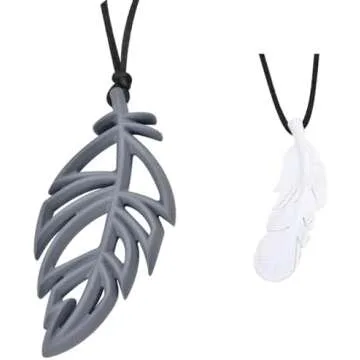
One of the most effective accommodations for children who need oral stimulation is chew necklaces. Products like the Tilcare Chew Chew Pencil Sensory Necklace 3 Set are not just safe for kids; they are also designed specifically for various chewing preferences. These textured silicone chewy toys are perfect for children on the autism spectrum or those who fidget. They not only provide needed sensory input but also help with anxiety reduction and focus during class.
Another excellent option is the Chew Necklaces for Sensory Kids. This pack contains three sensory toys made from durable silicone, ensuring they withstand frequent use. These necklaces help prevent chewing on clothing or other inappropriate objects and allow children to channel their fidgeting into a productive outlet.
Enhancing Writing Skills with Ergonomic Grips
Writing can be a challenge for many children, especially those with sensory processing issues. Ergonomic tools can significantly improve comfort and control in writing tasks. The Pencil Grip Premium Pencil Grips Assortment Pack includes a variety of colorful grippers that accommodate both right-handed and left-handed users. These grips not only alleviate discomfort but also support proper finger placement, making handwriting easier and more enjoyable.
In addition to pencil grips, consider the Sensory Chew Necklace Set which provides a multifunctional approach by combining tactile input with writing activities. These tools can help students stay focused on their writing tasks, ultimately improving their overall engagement and output.
Fidget Solutions for Active Minds
Fidgeting is a natural response for many students, particularly those with heightened sensory needs. By incorporating fidget tools into the classroom, you can help reduce restlessness and promote concentration. The ONO Roller is a handheld fidget toy that offers a discreet way for students to relieve stress during tasks. Its compact design makes it easy to use on the go, and it can significantly improve focus.
Another fantastic option is the Bouncyband Original Bouncy Bands for Desks. These desk chair bands allow students to fidget without distractions. By attaching to the legs of desks, they provide a silent sensory tool that helps students remain engaged in learning while also releasing excess energy.
Creative Learning with Playdough Stamps
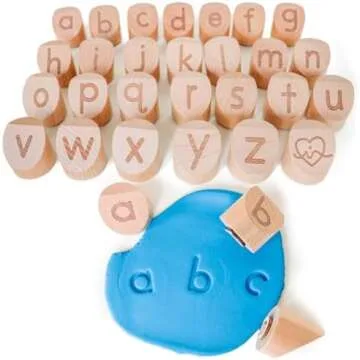
When it comes to younger children, engaging their tactile senses can greatly enhance their learning experiences. The Alphabet Playdough Stamps for Kids serve as an excellent tool for teaching letters and enhancing fine motor skills. Children can learn through play, creating fun shapes and letters that incorporate both creativity and education.
These playdough stamps encourage hands-on interaction, keeping kids entertained while reinforcing their learning. The tactile experience of creating shapes can be particularly soothing and fulfilling for children with sensory processing difficulties.
Frequently Asked Questions
- What are sensory accommodations? Sensory accommodations are tools and strategies implemented to support individuals with sensory processing challenges, helping them engage better in learning environments.
- How do chew necklaces help students? Chew necklaces provide safe oral stimulation, helping students self-regulate anxiety and improve focus during learning activities.
- Can fidget toys improve classroom behavior? Yes, fidget toys can help students channel their energy positively, leading to increased focus and improved classroom behavior.
Conclusion
The right accommodations can transform the classroom experience for students with sensory needs, promoting focus and a sense of comfort. From chew necklaces to ergonomic grips, these tools not only enhance learning but also foster a supportive environment where all students can thrive.
As you explore the various products shared in this guide, remember that finding the perfect fit for your child’s or student’s needs is essential. Explore your favorites now and discover how simple changes can make a significant impact on a child’s educational journey. Your proactive approach can lead to a more inclusive and engaging learning experience for all.



 Continue with Google