







Welcome to Your Go-To Guide for Supporting Social Emotional Learning!
As parents and caregivers, we understand the importance of nurturing kids' hearts and minds. Social emotional learning is at the core of helping children develop essential skills such as self-awareness, relationship management, and emotional regulation. These resources are not just great presents; they’re building blocks for resilience and emotional intelligence in kids. Whether you’re seeking guidance for your family or looking for meaningful gifts to empower children, this list presents a collection of interactive, engaging, and effective resources.
Every child deserves a toolbox to help them navigate their feelings, find calm during anxious moments, and connect deeply with those they love. With these carefully curated resources, you can make learning about emotions both fun and impactful. Let's dive into these wonderful tools that support social emotional learning while promoting growth and connection.
1. Unlocking Emotions with Workbooks
Workbooks are an unparalleled way to introduce kids to social emotional learning. One fantastic resource is the Mindful Emotions Workbook: A CBT Guide for Kids. This workbook is designed to empower children with strategies that help them understand and manage their feelings. It combines cognitive-behavioral therapy techniques with engaging exercises, making it a perfect tool for families looking to enhance emotional literacy.
For those specifically focusing on anxiety, the Anxiety Workbook for Kids offers over 50 fun mindfulness activities. This workbook allows kids to learn about their emotional triggers while developing coping strategies, ultimately fostering resilience and well-being. These guided activities encourage kids to express, manage, and reflect on their emotions.
2. Engaging Family Connections through Conversation
Family dynamics play a crucial role in fostering a healthy emotional environment. The 200 Resilience Conversation Starter Cards are a unique game designed for families to discuss feelings, which is especially beneficial during times of change. These cards prompt deeper conversations, creating a safe space for family members to express themselves and build trust.
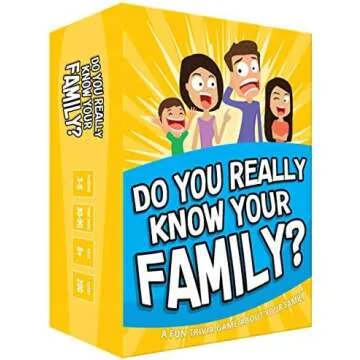
In addition, the 200 Family Conversation Cards help kickstart engaging family dialogues, reducing screen time while encouraging heartfelt discussions. Regularly engaging in conversations strengthens family bonds and enhances each member's emotional intelligence, making these cards a worthy addition to any household.
3. Games That Promote Emotional Intelligence
Play is a significant aspect of learning. The Emotional Rollercoaster Board Game is an incredible resource that not only entertains but also educates players about managing emotions. This game encourages playfulness while fostering discussions on emotional responses, making it suitable for all ages.
For kids struggling to cope with anxiety and worry, the Anxiety Relief Workbook for Kids provides interactive activities focused on mindfulness and coping strategies. Each activity encourages self-reflection and resilience, equipping children with helpful tools for emotional management.
4. Creative Outlets for Stress Relief
Art and creativity can be wonderful avenues for expressing emotions. The Mindfulness Coloring Book for Teens helps reduce anxiety and increases focus through the calming effects of coloring. Engaging in artistic activities allows adolescents to process their feelings in a constructive way while also sparking their creativity.
For relaxation during everyday routines, consider the Cleverfy Shower Steamers. These aromatherapy products can transform an ordinary shower into a rejuvenating experience. They encourage mindfulness and self-care, which are essential for emotional health.
5. Resources for Older Kids and Teens
When it comes to older children, ensuring they have the right tools to manage stress is key. The Mindfulness for Teen Anxiety guide assists teens in navigating their emotional landscapes effectively, providing actionable strategies to reduce stress and anxiety while helping them learn how to find calm during chaotic times.
As they delve into high-pressure scenarios, the right resources can help prepare teens to handle life's challenges. Empowering them with the skills and tools necessary for their emotional journeys can instill confidence and resilience.
Frequently Asked Questions About Social Emotional Learning
- What is social emotional learning?
Social emotional learning (SEL) is the process through which individuals learn to recognize and manage their emotions, set and achieve positive goals, show empathy for others, establish and maintain positive relationships, and make responsible decisions. - How can I promote social emotional learning at home?
Encourage open discussions about feelings, incorporate activities that foster empathy and self-awareness, and utilize resources designed for SEL, such as workbooks, conversation starter cards, and games. - What age is appropriate for introducing SEL resources?
SEL can be introduced at an early age and adapted for any stage of development by selecting the right resources that cater to different age groups, from young children to teens.
By equipping your family with the right tools and resources, you can embrace social emotional learning and foster a nurturing environment where emotional growth thrives. From engaging workbooks to impactful games and family conversation starters, there's something on this list for every household.
Become an empowered gift-giver and caregiver as you explore these enriching options. Each of these resources is designed to not only teach but also engage children in meaningful ways. Explore your favorites now and start your journey towards fostering emotional intelligence and resilience in the kids around you!



 Continue with Google