





Understanding Children's Anxiety
Helping kids navigate their emotions can often feel like a daunting task, especially when it comes to anxiety. As parents and educators, understanding what children experience when they're anxious can be the key to providing them with the support they need. It's important to recognize that anxiety is a normal emotion; however, it can manifest in various ways, from excessive worry about school or social situations to physical symptoms like stomachaches or headaches.
This curated list of books offers engaging narratives targeted at children and aimed at helping them understand and manage their feelings around anxiety. By presenting these concepts in an approachable and relatable manner, these stories not only comfort but also empower kids with tools to face their worries successfully.
Engaging Stories to Combat Anxiety
Stories are a powerful way to convey complex emotions and situations, especially to children. One such book, Hey Warrior, addresses anxiety head-on by encouraging children to view their worries as manageable "warriors." This book introduces key concepts in a way that's engaging and relatable for younger audiences, helping them understand that anxiety can be tamed and does not have to control their lives.
Another excellent resource is What to Do When You Worry Too Much: A Kid's Guide to Overcoming Anxiety. This guide is part of the “What-to-Do Guides for Kids” series and gives practical advice for overcoming anxiety. It's designed not only to provide stories but also to offer actionable strategies that children can employ daily to combat their worries.
Empowering Through Relatable Characters
Books featuring characters facing anxiety can help children feel less isolated in their experiences. For example, in Bella Gets Worried: A Book About Dealing With Anxiety, children meet Bella, who experiences relatable situations that lead to feelings of worry. By exploring Bella's journey, readers can reflect on their own experiences, learning that it's okay to feel anxious and that they are not alone.
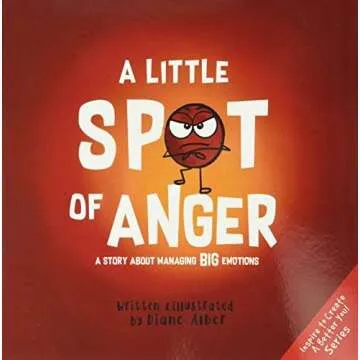
Moreover, A Little SPOT of Anxiety: A Story About Calming Your Worries uses the concept of a 'little spot' as a metaphor for anxiety, making it easier for kids to visualize and talk about their feelings. This book emphasizes that while anxiety is part of life, it can be managed with the right outlook and tools.
Tools for Building Confidence
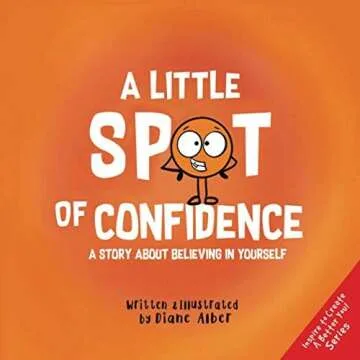
Besides addressing anxiety, it’s crucial to focus on building self-esteem and confidence in children. A Little SPOT of Confidence: A Story About Believing In Yourself is an inspiring tale that teaches children to believe in their abilities and strengths. This book complements those tackling anxiety by reinforcing a positive self-image, highlighting that confidence can help children face their fears.
Also, Sometimes I'm Scared provides a gentle approach to discussing fears and anxieties. The narrative encourages open communication between children and adults about their fears, paving the way for deeper conversations surrounding anxiety and emotional health.
Creating a Calming Environment
In addition to reading, parents and educators can foster a calming environment to help children manage their anxiety. Including reading as part of a comfortable bedtime routine establishes a sense of security that can alleviate worries before sleep. Incorporating books that address anxiety into daily life is a positive step towards normalizing these discussions and helping children feel understood.
By selecting books that resonate with children and reflect their feelings, you not only give them tools to manage their anxiety but also create opportunities for meaningful conversations around emotional health. These discussions can further reinforce the lessons learned in the stories they read.
Frequently Asked Questions
- How can books help children deal with anxiety?
Books provide relatable stories and characters that help children understand their feelings of anxiety. They often offer practical strategies alongside emotional support, normalizing these feelings. - What age group are these books suitable for?
These books cater to various age ranges, typically for children aged 4-12, depending on the complexity of the topic and the reading level. - Can reading these books substitute for professional help?
While these books are excellent tools, they are not a substitute for professional advice. If a child's anxiety is significantly impacting their life, consulting a mental health professional is recommended. - How can I integrate these books into my child's routine?
Incorporate them into storytelling time, bedtime reading, or classroom discussions to encourage open conversation about feelings and fears. - Are there activities to accompany these books?
Yes! Many books come with discussion questions or suggested activities such as journaling prompts and relaxation techniques that can further enhance understanding and management of feelings.
In summary, the listed books provide valuable resources for helping children understand and manage their anxiety. They empower kids with knowledge, tools, and characters to which they can relate, easing their path toward emotional well-being. By choosing these stories, you can create supportive conversations and foster resilience in young readers.
Explore your favorites now and equip the children in your life with the confidence and tools to navigate their emotions better. Happy reading!



 Continue with Google