



Essential Tools for Filling Wood Grain Before Painting
If you're looking to give your wooden surfaces a fresh new look, filling the grain before painting is a crucial step. This process not only improves the aesthetic appeal but also helps in achieving a smoother finish. Whether you're a DIY enthusiast or a seasoned pro, this Wood Grain Filling Supply List will equip you with all the necessary tools and materials to simplify your project.
This guide is designed to help anyone from hobbyists to experienced craftsmen seeking reliable recommendations for products that can aid in wood grain filling. Each item on this list serves a specific purpose, ensuring you have everything needed to create a flawless base for your paint.
1. Quality Wood Patch for A Smooth Finish
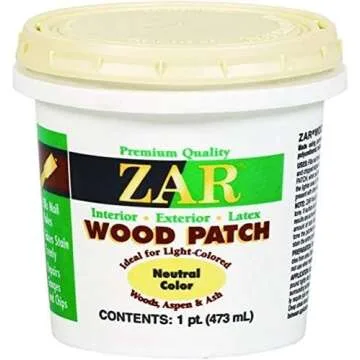
At the foundation of a good wood grain filling process is a high-quality wood patch. The ZAR, PT, Neutral 30911 Wood Patch is an outstanding choice due to its ease of use and excellent adhesion properties. This patch dries quickly and is easily sandable, making it an essential component in your toolkit for filling imperfections in your wood.
This wood patch is perfect for both small repairs and larger projects, ensuring a rich finish that enhances the natural beauty of the wood. Whether you're tackling window sills, furniture, or flooring, investing in a dependable wood patch will save you time and enhance your overall results.
2. Cleaning Supplies for Preparation
Before applying any filler or paint, proper surface preparation is key. An excellent tool for this is the Amazon Basics Microfiber Cleaning Cloths. These cloths are lint-free, absorbent, and reusable, making them ideal for wiping down surfaces to remove dust and debris.
Your efforts will show in the final product if your wood is meticulously prepped. Combine these cloths with the Spray Nine Heavy Duty Cleaner, which is ideal for tackling tough stains and grease. This ensures that your wood grain is clean, consistent, and ready for a perfect finish.
3. Priming for Optimal Results
Applying a good primer is crucial in preparing the wood surface for painting. The RUST-OLEUM 3551 Stain Killer Primer/Sealer is designed to seal the wood and prevent any stains from surfacing after you’ve painted. Its oil-based formula penetrates well into wood, ensuring that your paint adheres properly and lasts longer.
Don’t skip this step! Using a reliable primer will not only enhance paint adhesion but will also extend the life of your work. Prepare to be amazed at how much difference a quality primer can make.
4. Tools for Applying the Finish
Once the wood is filled and primed, it’s time for the fun part—applying your finish! A well-crafted paintbrush is essential for this job, and the Wooster Shortcut Angle Sash Paintbrush is perfect for precision painting. Its flexible handle makes it easier to reach those tricky corners and edges, giving you the control you need for a flawless finish.
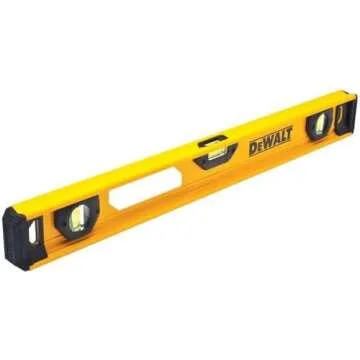
Additionally, if you want a perfectly smooth application, consider the DEWALT Orbital Sander Kit. This tool is known for its efficiency and comfort, producing incredibly smooth results that make the finishing process much easier.
5. Finishing Touches and Cleanup
After applying your finishes, cleanup is essential to preserve your tools and workspace. The Savogran Trisodium Phosphate (TSP) is a powerful cleaning agent that helps remove paint and stain residue, preparing your tools for their next use.
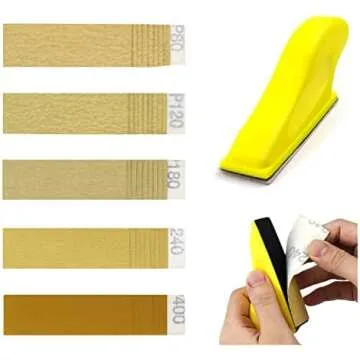
Furthermore, stocking up on DEWALT 220 Grit Sandpaper ensures that you have what you need for smoothing any surfaces before your final coat. Don't forget, the quality of your finishes can shine through a clean, well-maintained workspace!
FAQs about Wood Grain Filling
- What is wood grain filling? Wood grain filling involves applying a filler to the surface of the wood to create a smooth, even texture before painting.
- Why do I need to use a primer? A primer is essential because it helps to seal the wood, enhances paint adhesion, and can prevent stains from bleeding through the finished paint layer.
- How long should I wait before painting after applying a wood patch? It's best to follow the manufacturer's instructions, but most patches need a few hours to dry completely before you can start painting.
- Can I use a regular paintbrush for applying paint after filling the grain? While you can use a regular brush, a quality sash brush like the Wooster Shortcut will yield better, more precise results.
- What is the best way to clean tools after using primers and paints? Solvents like those found in washing agents specifically designed for paint cleanup, like TSP, work effectively for removing residues.
As you embark on your wood refinishing journey, remember that having the right tools can make all the difference. Each item in this Wood Grain Filling Supply List has been selected to ensure you achieve the best possible outcome for your projects. You're not just filling wood grain—you’re paving the way for a beautifully painted finish that you can be proud of.
Explore your favorites now! Dive into your preferred project with confidence and the right tools at your side, and watch as your wooden surfaces transform beautifully.



 Continue with Google