



Must-Have Hiking Gear for Every Trail: Stay Safe and Comfortable on Your Next Adventure
"What Are the Must-Have Hiking Gear Items for Every Trail?"
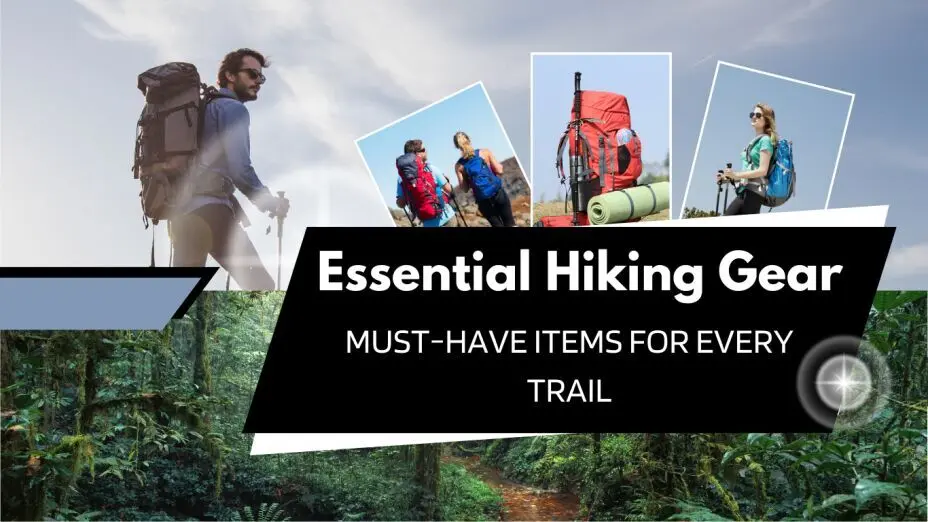
Hiking
is one of the most rewarding outdoor activities, offering a
perfect blend of adventure, physical exercise, and connection
with nature. Whether you’re venturing onto a local trail or
heading to more rugged backcountry terrains, having the right
gear is essential for your comfort, safety, and overall
experience. From sturdy footwear to reliable navigation tools,
each piece of gear plays a crucial role in your hiking journey.
The right hiking equipment enhances your safety and comfort. Well-fitted boots protect your feet, moisture-wicking clothing keeps you dry, and trekking poles reduce strain on your joints. Tailoring your gear to the type of hike—whether it’s a leisurely walk or a challenging ascent—ensures you’re prepared for anything the trail throws your way.
In this guide, we’ll walk you through the essential hiking gear every adventurer should consider packing. Whether you're a beginner just starting or an experienced hiker, we’ve got you covered with must-have items for every trail. Let’s dive into the gear that will help make your hike a safe, comfortable, and unforgettable adventure!
Mountain Climbing And Rock Climbing And Ice Climbing
"Choosing the right gear isn’t just about comfort; it's about safety. Whether you’re scaling a mountain or walking along a forest trail, the right gear can make the difference between a pleasant hike and a dangerous one." – Emily Johnson, Professional Hiker and Outdoor Guide
Essential Hiking Gear for Every Trail: A Complete Guide
- Why the Right Gear Matters
-
Hiking
Shoes/Boots Comparison
- Key Features and Best Options for Every Trail
-
Trekking
Poles (Hiking Sticks) Comparison
- Adjustable vs. Fixed: Choosing the Right Poles
-
Hiking
Clothing Comparison
- Base Layers, Mid-Layers, and Outerwear for Different Conditions
-
Hiking
Eyewear Comparison
- Sunglasses and Eyewear for Maximum Protection
-
Hiking
Caps Comparison
- Best Hats for Sun Protection and Comfort
-
Compass
Comparison
- Simple vs. Advanced: Choosing the Best Navigation Tool
-
Expert Advice on Hiking
Gear
- Tips from Professional Hikers and Gear Experts
-
How to Maintain and Care for Hiking Gear
- Tips for Prolonging the Life of Your Hiking Equipment
Why Having the Right Gear is Essential for Every Hiker
Good hiking gear isn't just about comfort; it's also about safety. Having the right equipment can prevent injuries, improve your performance, and make your hike more enjoyable. For instance, hiking boots with the right grip can reduce the risk of slipping, while a quality compass ensures you stay on track, even when the trail isn't clearly marked. Proper clothing keeps you warm in the cold, dry in the rain, and protected from the sun. Choosing the right hiking gear for your specific needs and the terrain you’ll be exploring can transform a potentially uncomfortable journey into a thrilling outdoor adventure.
How to Choose the Right Gear for Your Hiking Needs
When it comes to hiking gear, there's no one-size-fits-all solution. Your choices should be tailored to your experience level, trail type, and the conditions you'll face. Here are some tips to help you select the right equipment:
Beginner Hikers: Stick to basic gear like lightweight shoes, a comfortable backpack, and simple layers for warmth and protection.
Experienced Hikers: Look for gear that can handle more challenging conditions, such as waterproof boots, adjustable trekking poles, and advanced clothing layers for extreme weather.
Trail Conditions: Consider the type of terrain and climate you’ll encounter. For rocky, uneven trails, ankle support and durable footwear are critical. In wet conditions, waterproof gear and gaiters are essential.
Why Trekking Poles Are Essential: Best Picks for Beginners & Experts
Hiking Sticks (Trekking Poles)
| Product | Type | Key Features | Pros | Cons | Price Range | Best for |
|---|---|---|---|---|---|---|
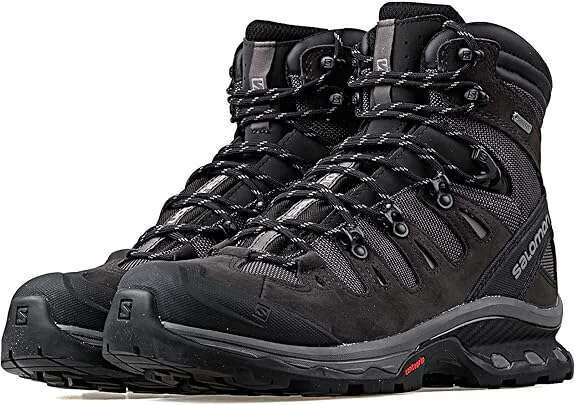
| Salomon Quest 4D 3 GTX | Hiking Boots | Gore-Tex waterproofing, advanced ankle support | Excellent support, durable, great for challenging trails | Heavier, expensive | $220-$240 | Experienced hikers, rugged terrain |
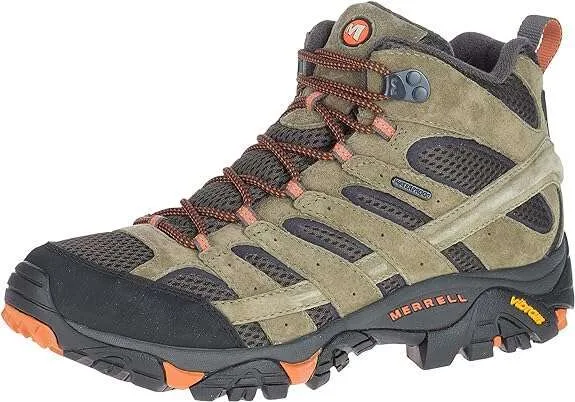
| Merrell Moab 2 Waterproof | Hiking Boots | Waterproof, cushioned footbed, durable rubber sole | Comfortable, great grip, waterproof | May feel bulky for shorter hikes | $100-$120 | Beginners, moderate trails |
| Columbia Redmond Waterproof | Hiking Shoes | Waterproof, lightweight, breathable mesh upper | Lightweight, great for warmer weather, affordable | Less support on uneven terrain | $60-$80 | Beginner to intermediate hikers |
Why Hiking Sticks Are Essential for Stability and Comfort:
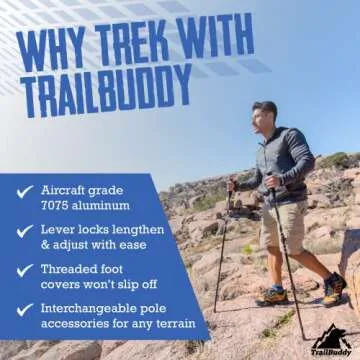
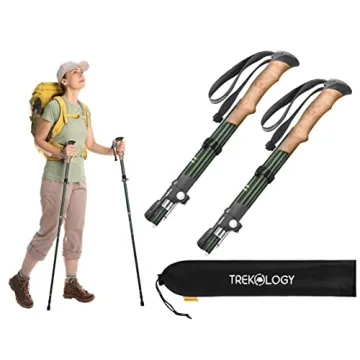
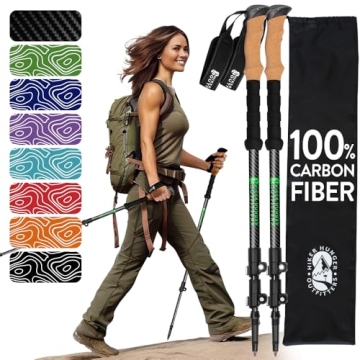
Hiking sticks or trekking poles are often underestimated by beginners, but seasoned hikers know their importance in maintaining balance and preventing injury. When hiking on uneven terrain, climbing uphill, or descending steep trails, trekking poles provide critical support to help you navigate these challenges with greater ease. They help distribute your body weight, relieving pressure on your knees and joints, which is especially beneficial during long treks or difficult sections.
Choosing Trekking Poles Based on Trail Difficulty:
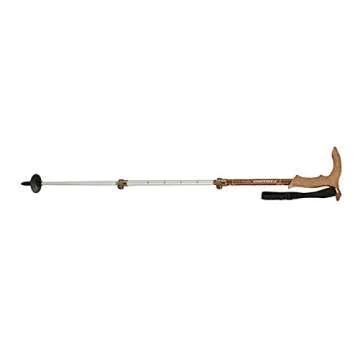
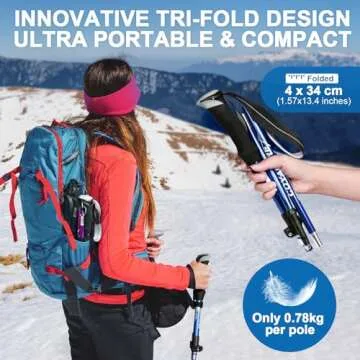
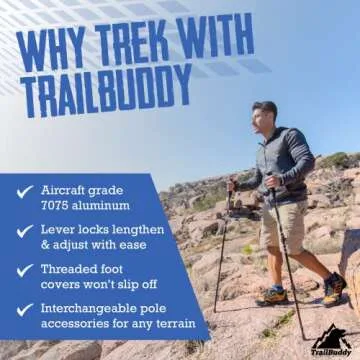
For beginners, lightweight, adjustable poles that are easy to use are ideal. They’ll help you stabilize without feeling too heavy. Experienced hikers may prefer poles with shock-absorbing features or additional durability, especially for rocky or snowy terrain.
Best Trekking Poles for Long and Short Hikes in the U.S.:

For Beginners
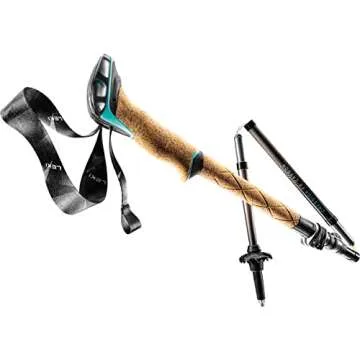
- Leki Micro Vario Carbon Trekking Poles – These poles are ultra-light, compact, and come with a quick-lock system, making them perfect for newcomers looking for convenience and ease.
For Experienced Hikers
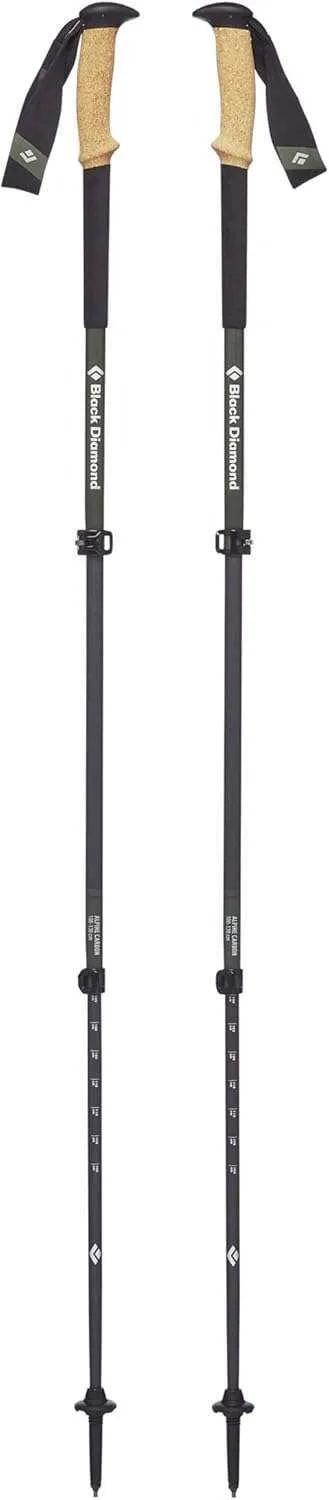
- Black Diamond Alpine Carbon Cork Trekking Poles – Built with advanced features, these poles offer superior comfort, grip, and shock absorption, ideal for rugged terrains and long hikes.
List of Hiking Sticks
- Best Black Friday Trekking Poles Deals
- Hiking & Trekking Poles: Improve Your Balance, Stability, and Range of Motion
Best Hiking Boots for Every Trail: Features to Look For
| Product | Type | Key Features | Pros | Cons | Price Range | Best for |
|---|---|---|---|---|---|---|
| Leki Micro Vario Carbon | Trekking Poles | Lightweight, collapsible, quick-lock system | Compact, easy to carry, carbon construction for strength | Less shock absorption on rough terrain | $130-$150 | Beginners, day hikes |
| Black Diamond Alpine Carbon | Trekking Poles | Carbon fiber, adjustable, shock-absorbing | Lightweight, durable, great stability | Higher price, may be too advanced for beginners | $160-$180 | Experienced hikers, rugged terrain |
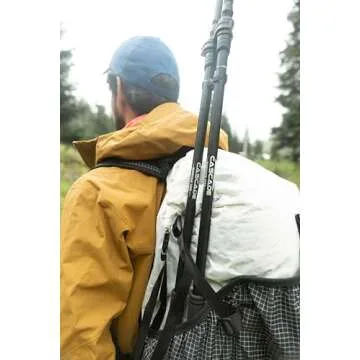
| Cascade Mountain Tech | Trekking Poles | Adjustable, aluminum construction, ergonomic grips | Affordable, lightweight, comfortable grip | Less durable than carbon poles | $40-$60 | Budget-conscious hikers |
How to Choose the Best Hiking Shoes for Every Terrain
Choosing the right footwear is crucial for a comfortable hiking experience. For beginners, comfort and support are paramount, while seasoned hikers might prioritize durability and weather resistance. Shoes are generally preferred for day hikes on well-maintained trails, while boots offer more protection for longer hikes, rough terrain, and adverse conditions.
"Investing in quality hiking boots is crucial. They provide not only comfort but the ankle support and traction needed to navigate rough, unpredictable terrain. I always recommend boots with waterproofing if you're hiking in areas with changing weather." – David Carter, Hiking Equipment Expert
Why Hiking Boots Are a Must for Long, Rugged Trails
Hiking boots provide better ankle support, more durable materials, and weather-resistant features like waterproofing, which is essential when trekking through wet or muddy conditions. These features make boots the go-to choice for extended, rugged hikes.
Top Hiking Footwear Brands for U.S. Trails:
For Beginners
- Merrell Moab 2 Waterproof Hiking Boots – Known for their excellent out-of-the-box comfort, these boots are perfect for day hikes and short to moderate trails.
For Experienced Hikers
- Salomon Quest 4D 3 GTX Hiking Boots – A highly durable and supportive boot, ideal for challenging and multi-day treks.
List of Hiking Shoes/Boots
Essential Hiking Clothing: Layering for Comfort and Protection
| Product | Type | Key Features | Pros | Cons | Price Range | Best for |
|---|---|---|---|---|---|---|
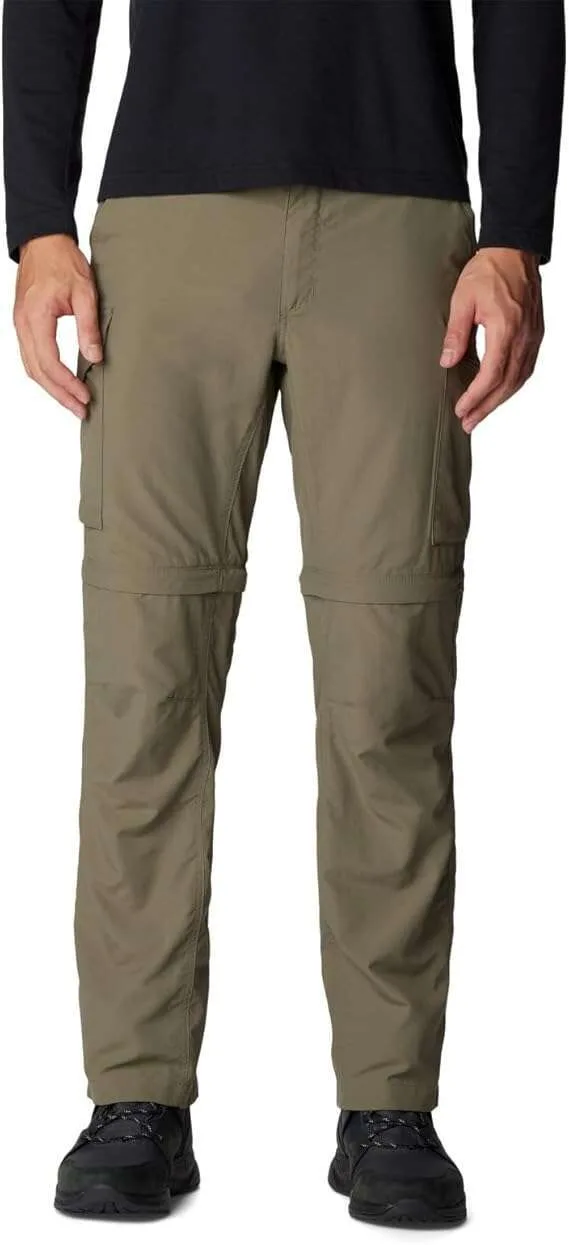
| Columbia Silver Ridge Pants | Hiking Pants | Convertible, quick-drying, UPF 50 sun protection | Versatile (convert to shorts), breathable | Zippers can be uncomfortable on long hikes | $50-$70 | Beginners, day hikes |
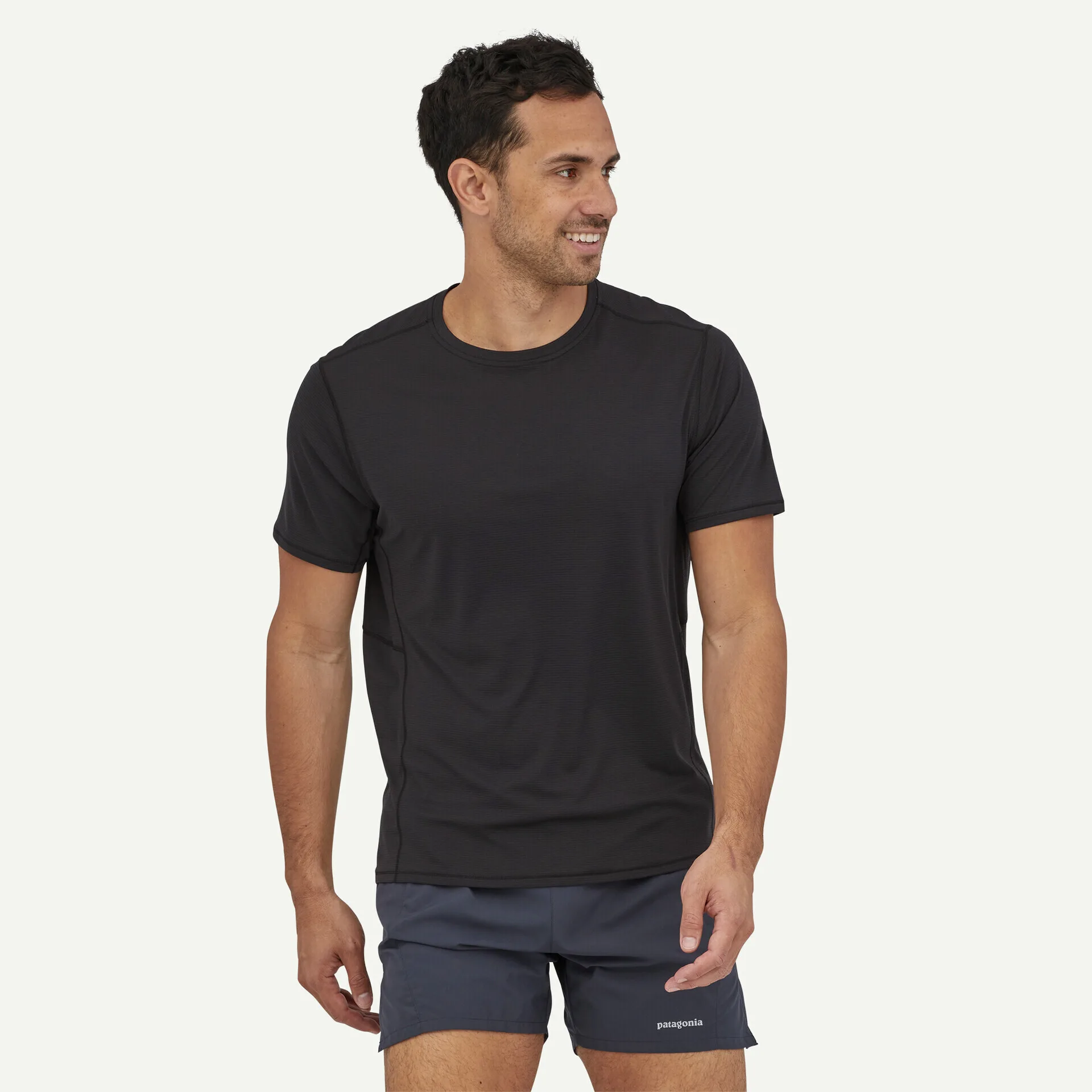
| Patagonia Capilene Cool Shirt | Base Layer | Moisture-wicking, breathable, quick-drying | Lightweight, keeps you dry, eco-friendly | Not as insulated for cold weather | $45-$60 | Warm-weather hikes |
| Marmot Fordham Jacket | Outer Layer | Waterproof, insulated, adjustable hood | Keeps warm, good for cold/wet weather | Heavy for warmer conditions | $180-$200 | Cold-weather hikes |
Layering for Success: What to Wear for Every Season
Layering is key to staying comfortable on the trail. The idea is to adjust your clothing based on your activity level and the weather conditions throughout your hike. The base layer (closest to your skin) should wick away sweat, the middle layer should insulate, and the outer layer should protect against the wind and rain.
The Importance of Moisture-Wicking Fabrics for Comfort
Hiking clothes made from moisture-wicking fabrics help keep you dry by pulling sweat away from your skin, reducing the likelihood of discomfort and chafing. Fabrics like merino wool and synthetic fibers are ideal for hiking clothing.
Best Hiking Clothing Brands for U.S. Trails:
For Beginners
- Columbia Silver Ridge Convertible Pants – These pants are lightweight, breathable, and can be converted into shorts, offering flexibility for changing conditions.
For Experienced Hikers
- Patagonia Capilene Cool Lightweight T-Shirt – This shirt is made from moisture-wicking, breathable fabric, perfect for high-intensity hikes in warmer weather.
List of Hiking Clothing
Protect Your Eyes on the Trail: Top Hiking Eyewear for UV Protection
| Product | Type | Key Features | Pros | Cons | Price Range | Best for |
|---|---|---|---|---|---|---|
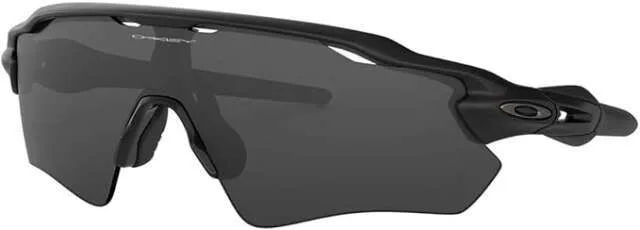
| Oakley Radar EV Path | Sunglasses | Polarized lenses, high-definition optics | Great clarity, lightweight, high sun protection | Expensive, may feel tight on larger faces | $180-$220 | Beginners, day hikes |
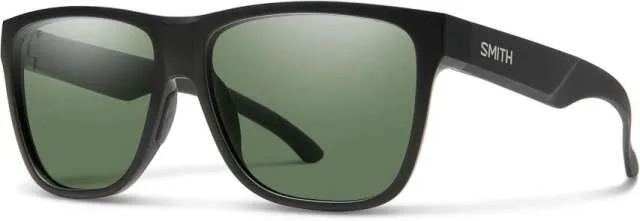
| Smith Optics Guide’s Choice | Sunglasses | Polarized, wide field of view, adjustable nose pad | Polarized lenses reduce glare, durable frame | Higher price, not as breathable | $160-$200 | Experienced hikers, sunny days |
| Fitzroy Outdoor Sunglasses | Sunglasses | UV protection, lightweight, anti-fog coating | Affordable, stylish, lightweight | Less durable compared to higher-end brands | $20-$40 | Budget-conscious hikers |
Protect Your Eyes: Why Hiking Eyewear Is Essential
UV protection for your eyes is essential when spending extended time outdoors. The sun’s rays can damage your eyes over time, especially at higher altitudes where UV exposure is more intense. Additionally, eyewear protects your eyes from dust, wind, and debris on the trail.
Choosing the Right Sunglasses for U.S. Trails
Look for sunglasses with polarized lenses to reduce glare, especially near water or snow. Comfortable, durable frames are also important for a long day of hiking.
Top Hiking Eyewear Brands for Sun Protection
For Beginners
- Oakley Radar EV Path Sunglasses – Lightweight, durable, and offering excellent sun protection, these are perfect for casual day hikers.
For Experienced Hikers
- SMITH Lowdown XL 2 Sunglasses with Chromapop Lenses – With polarized lenses and a secure fit, these sunglasses are great for long hikes and challenging conditions.
Top Hiking Caps for Sun Protection and Comfort
| Product | Type | Key Features | Pros | Cons | Price Range | Best for |
|---|---|---|---|---|---|---|
| Columbia Bora Bora II | Hiking Cap | Adjustable fit, UPF 50 sun protection, breathable mesh | Comfortable, excellent sun protection, lightweight | Limited color options | $20-$30 | Beginners, sunny day hikes |
| Outdoor Research Sombriolet | Hiking Hat | Wide brim, water-resistant, lightweight fabric | Great for sun protection, cool on hot days | Can feel bulky on windy days | $30-$40 | Experienced hikers, long hikes |
| Sunday Afternoons Adventure Hat | Hiking Hat | Adjustable, lightweight, sun-blocking fabric | Soft, comfortable, folds easily | May not fit all head sizes | $25-$35 | Casual hikers, warm-weather hikes |
Stay Cool and Protected: The Right Hiking Cap
A good hiking cap helps protect your face from the sun, keeping you cooler and preventing sunburn during long hikes. Look for caps with a wide brim and moisture-wicking fabric to stay comfortable throughout your trek.
Best Hats for Sun Protection on Long Hikes
Caps with a wider brim provide more shade and sun protection, which is especially beneficial when hiking under direct sunlight. A breathable, lightweight design will keep your head cool and comfortable.
Choosing the Right Cap for Trail Comfort:
The best hiking caps are adjustable, lightweight, and offer excellent sun protection without overheating you.
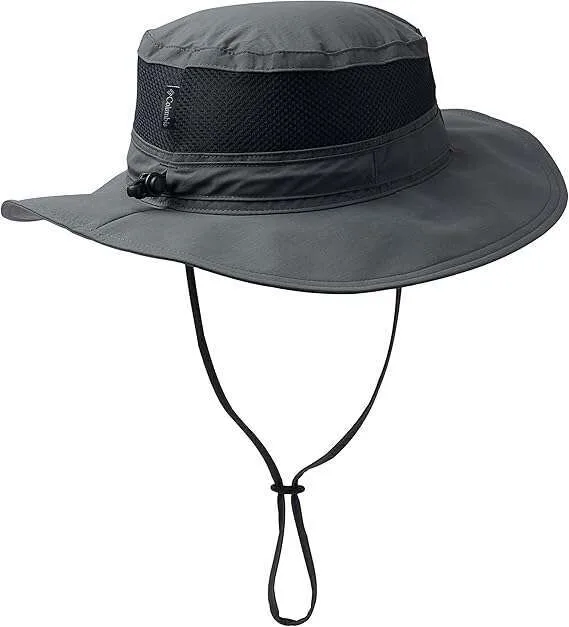
For Beginners
- Columbia Bora Bora II Booney Hat – A classic booney hat with excellent ventilation and sun protection.
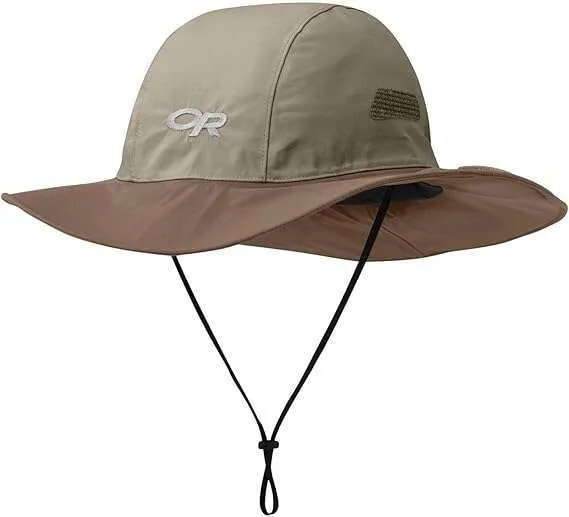
For Experienced Hikers
- Outdoor Research Sombriolet Sun Hat – A highly durable, wide-brimmed hat with UPF 50+ protection and a comfortable fit.
Why a Compass is Essential for Trail Navigation
| Product | Type | Key Features | Pros | Cons | Price Range | Best for |
|---|---|---|---|---|---|---|
| Suunto A-10 | Compass | Baseplate compass, clear markings, lightweight | Affordable, easy to use, reliable | Limited features compared to more advanced models | $20-$30 | Beginners, basic navigation |
| Silva Ranger Compass | Compass | Rotating bezel, sighting mirror, more advanced features | Precise, durable, great for detailed navigation | More expensive, requires learning proper use | $50-$70 | Experienced hikers, advanced navigation |
| Garmin GPSMAP 64st | GPS/Compass | GPS integration, 3-axis compass, preloaded maps | High-tech, provides GPS and compass functionality | Expensive, more complicated than a basic compass | $250-$300 | Advanced hikers, tech-savvy explorers |
Why a Compass Is Still Essential for Trail Navigation
While modern GPS devices are invaluable tools, a compass remains an essential part of a hiker’s toolkit, especially in remote areas where signal loss is possible. It’s a simple yet reliable backup navigation tool to help you stay on course.
"When you're out on the trail, it’s important to trust your gear. A good compass or GPS can help you find your way, but it’s the combination of reliable gear and the knowledge of how to use it that ensures safety." – Lisa Turner, Outdoor Adventure Educator
How to Use a Compass in Conjunction with Maps
Using a compass alongside a map can help you understand your surroundings and plot your course when trail markers are unclear. It’s important for hikers to learn basic compass navigation skills to ensure they can safely traverse more challenging terrain.
Best Compasses for Navigating Remote Trails
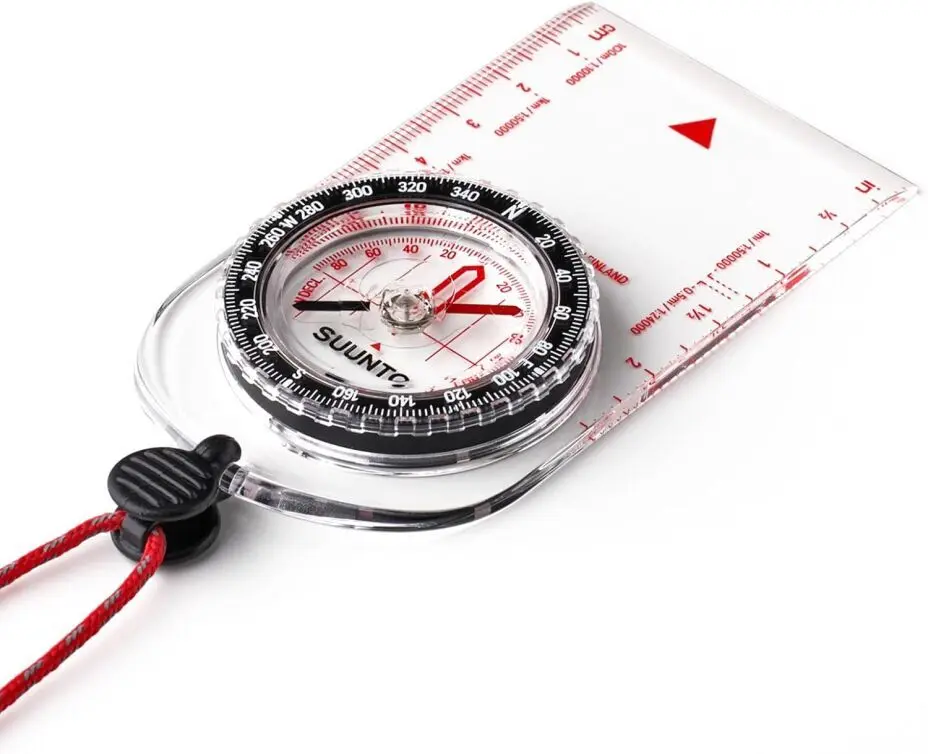
For Beginners
- Suunto A-10 Compass – A straightforward, affordable compass for beginner navigators.
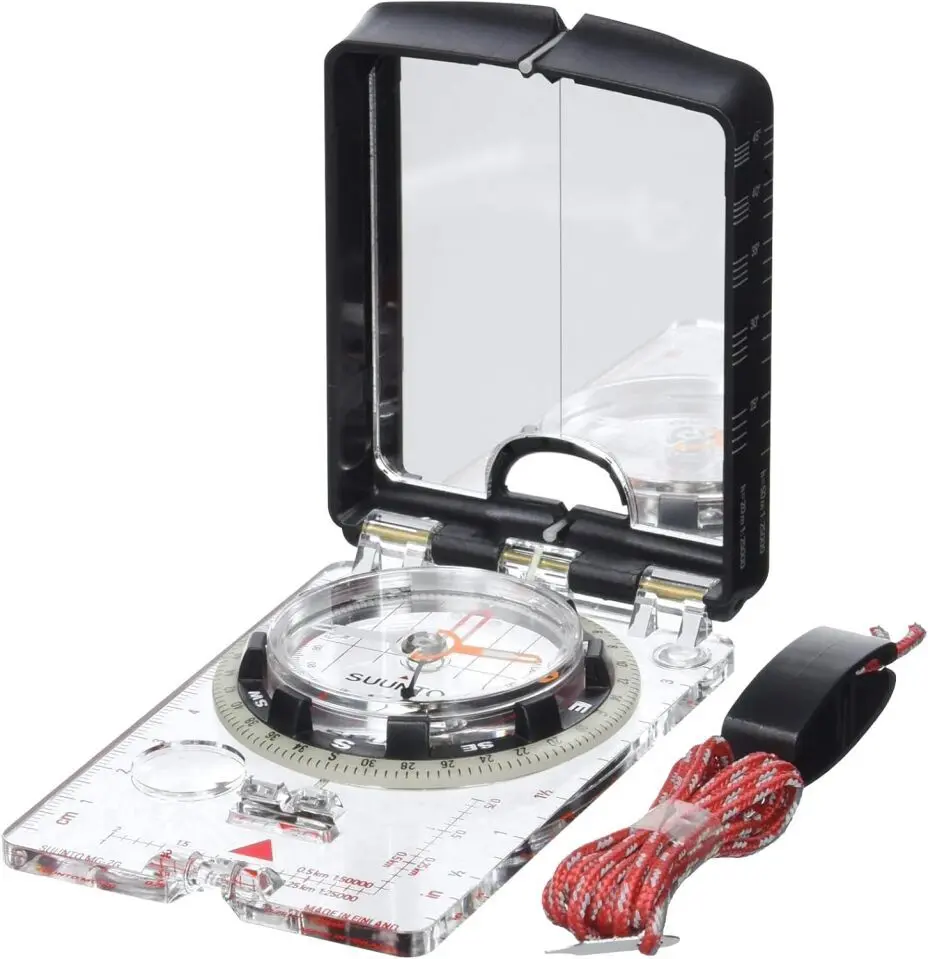
For Experienced Hikers
- SUUNTO MC-2 Compass – Ideal for advanced hikers who need a more precise and durable compass for challenging environments.
List of Compasses:
Find the Perfect Hiking Gear with GiftPals: Curated Lists & AI Recommendations
GiftPals makes it easy to find the perfect hiking gear with curated gift lists and AI-driven recommendations tailored to your hiking needs and preferences. Whether you’re shopping for yourself or looking for the ideal hiking gift for a loved one, GiftPals provides a personalized shopping experience.
- Curated Gift Lists: GiftPals offers ready-made hiking gear lists for every level, from beginner to experienced hiker, saving you time and effort.
- AI Recommendations: GiftPals’ AI system suggests the best hiking gear based on past purchases, preferences, and expert reviews.
- Influencer Picks: Check out popular hiking influencers’ favorite gear to discover trending products that have been tested and loved by the outdoor community.
- Unique Features: GiftPals also allows you to create personalized gift wish lists, so you can easily find the perfect hiking accessories for every occasion, whether it's a birthday or holiday gift.
FAQs: Common Questions About Hiking Gear
Q1: What’s the difference between trail running shoes and hiking boots?
A1: Trail running shoes are lightweight and flexible, great for faster-paced hikes. Hiking boots, on the other hand, offer more ankle support and are better suited for rough, uneven terrain.
Q2: How do I know if my hiking sticks are the right length for me?
A2: When adjusting your trekking poles, make sure your elbows are at a 90-degree angle when holding the poles. If the poles are too short or too long, they can cause discomfort and reduce your efficiency.
Q3: Can I use regular sunglasses for hiking, or do I need specialized eyewear?
A3: Regular sunglasses may not provide the UV protection needed for long hikes. Look for specialized hiking eyewear with polarized lenses to reduce glare and protect your eyes from harmful UV rays.
Having the right hiking gear can make all the difference in your outdoor adventure. From sturdy boots to reliable hiking sticks, the essentials are key to ensuring comfort, safety, and enjoyment. Start with the basics, and as you gain experience, invest in gear that suits your needs. Whether you’re preparing for a short day hike or a long, rugged trail, the right equipment will help you make the most of your time in the great outdoors. Ready to gear up? Explore GiftPals’ curated hiking gear collections and make your next adventure the best one yet!"







 Continue with Google
Reviews