



Best Smartphones 2026: Flagship & Budget Models (From Budget 5G to Premium)
Searching for the best smartphones 2026 has to offer can feel overwhelming—dozens of launches, confusing specs, and prices that shift weekly. If you’re asking, “which phone should I buy in 2026,” this guide gives you a fast, no-nonsense shortlist, with clear picks for iPhone and Android users. We break down the best flagship phones 2026 buyers want for peak camera quality, display brightness, AI features, and years of updates, then balance them against the best budget phones 2026 options that prioritize battery life, reliable 5G, and clean day-to-day speed.
Quick Decision Guide: Flagship vs Midrange vs Budget (2026)
- Flagship: Best cameras, peak performance, and the most complete feature set—best if you keep your phone longer or want the fewest compromises.
- Midrange: The “sweet spot” for most buyers—fast daily performance, strong displays, and good cameras, usually with a few premium tradeoffs.
- Budget: Best if price is the main constraint—focus on reliable battery life, clean software, and the best main camera you can get at the price.
Table of Content
Best Flagship Smartphones 2026
- Best overall flagship: Apple iPhone 17 Pro Max
- Best for photos: Samsung Galaxy S25 Ultra
- Best for battery: OPPO Find X9 Pro
- Best power-user / AI: Google Pixel 10 Pro XL
Best Midrange Smartphones 2026
- Best Budget Overall: Google Pixel 9a
- Cheapest Strong Value: CMF Phone 2 Pro
- January 2026 budget notes (what to prioritize)
Best Value Flagship Smartphones 2026
Best Smartphones 2026 Comparison Table (Flagship, Midrange, Budget Models)
Use this comparison table to scan the picks quickly by camera, battery/charging, and update promise.
| Model | Price Range | Display Size | Chipset Class | Main Camera Strength | Battery / Charging | Software Update Promise | Standout Feature | Best For |
|---|---|---|---|---|---|---|---|---|
| Google Pixel 10 Pro XL | Ultra-flagship | 6.8″ OLED 120 Hz | Flagship (Tensor G5) | Excellent (50 MP + strong telephoto) | 5 200 mAh • Fast + Wireless | ~7 years (Pixel policy) | AI-first experience + long support | Power users / AI |
| OPPO Find X9 Pro | Ultra-flagship | 6.78″ AMOLED 120 Hz | Flagship (Dimensity 9500) | Outstanding (200 MP telephoto) | 7 500 mAh • 80 W wired / 50 W wireless | ~4–5 years | Extreme battery + fastest charging | Battery endurance |
| Samsung Galaxy S25 Ultra | Ultra-flagship | 6.9″ AMOLED 120 Hz | Flagship (Snapdragon 8 Elite) | Industry-leading (200 MP + multi-zoom) | 5 000 mAh • 45 W wired / 15 W wireless | ~7 years | Pro camera system + S Pen | Photography |
| Apple iPhone 17 Pro Max | Ultra-flagship | 6.9″ OLED 120 Hz | Flagship (A19 Pro) | Excellent (triple 48 MP, 8× optical-quality zoom) | Long endurance • Fast charging | ~7 years (iOS typical) | Best all-round balance | Overall flagship |
| OnePlus 15 | High-end flagship | 6.78″ OLED up to 165 Hz | Flagship (Snapdragon 8 Elite Gen 5) | Good (50 MP-focused system) | 7 300 mAh • Very fast wired + wireless | ~4 years | Ultra-smooth gaming display | Gaming |
| Google Pixel 9a | Upper-budget | 6.3″ pOLED 120 Hz | Upper mid-range (Tensor G4) | Very good for price (48 MP) | 5 100 mAh • Wired + Wireless | ~7 years | Best camera & AI in budget | Best budget overall |
| Samsung Galaxy A56 | Mid-range (≤ $500) | 6.7″ AMOLED 120 Hz | Mid-range (Exynos 1580) | Decent (50 MP main) | 5 000 mAh • 45 W wired | ~4–5 years | Big screen + solid battery | Affordable all-rounder |
| Nothing Phone 3a Pro | Value flagship | 6.8″ OLED 120 Hz | Upper mid-range (Snapdragon 7s Gen 3) | Strong for price (50 MP telephoto) | 5 000 mAh • 50 W wired | ~3–4 years | Fast charging + bold design | Value flagship buyers |
| Apple iPhone 16e | Mid-range | 6.1″ OLED | Flagship-class (A18) | Good (48 MP single lens) | ~4 000 mAh • Fast charging | ~7 years | Compact + productivity focus | Work & productivity |
| CMF Phone 2 Pro | Budget | 6.8″ OLED 120 Hz | Budget / lower mid-range | Basic but versatile (50 MP) | 5 000 mAh • 33 W wired | ~2–3 years | Cheapest OLED + big battery | Cheapest strong value |
Best Flagship Smartphones 2026 (Top-Tier Picks)
If you want the most capable phones—camera flexibility, maximum performance, and long-term ownership value—start here.
1. Best overall flagship: Apple iPhone 17 Pro Max
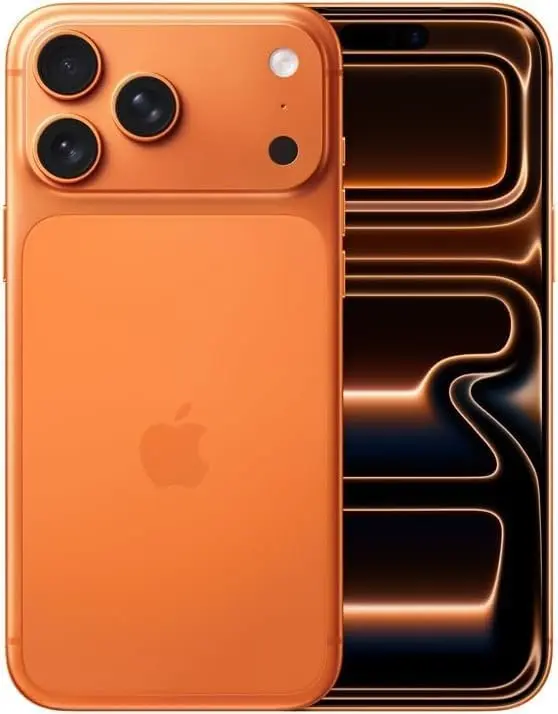
Best for: a balanced flagship experience across performance, photography, and battery life.
Ideal buyer: users who want the most capable phone available, regardless of price or size.
Why it wins:
- Triple 48 MP Fusion cameras (wide, ultrawide, telephoto) with 8× optical-quality zoom.
- A19 Pro chip combines high performance with excellent power efficiency.
- Up to 39 hours of video playback and rapid fast-charging support.
What to watch out for:
- Among the most expensive smartphones on the market.
- Large 6.9-inch display makes it bulky.
Key specs: 6.9-inch Super Retina XDR display; A19 Pro chipset; triple 48 MP camera system with 8× optical-quality zoom; up to 39 hours battery life with fast charging.
Verdict: A technological tour-de-force combining top-tier performance, photography, and endurance.
See Price
2. Best for Photos: Samsung Galaxy S25 Ultra
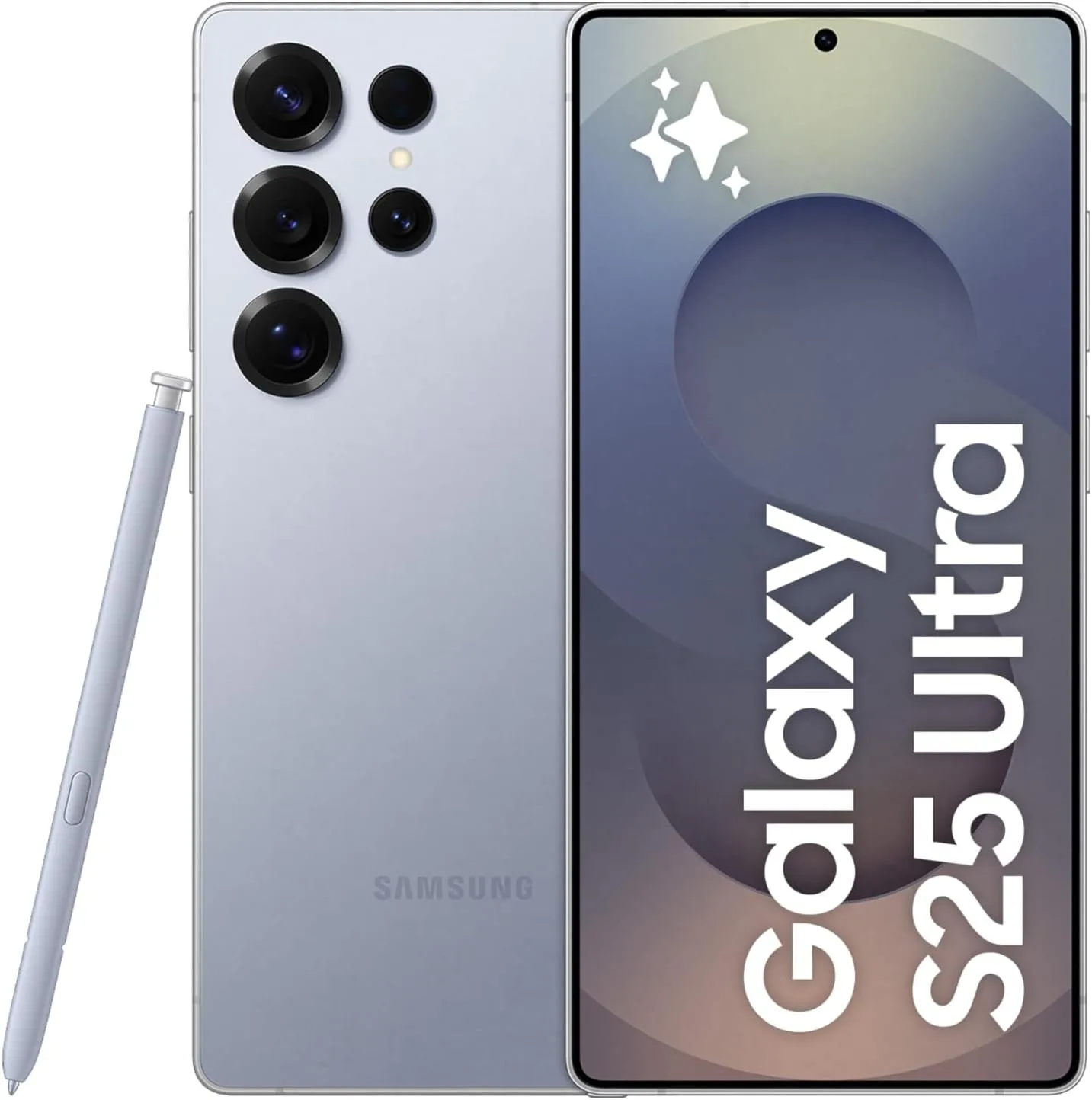
Best for: advanced photography and videography with extensive zoom options.
Ideal buyer: content creators and photography enthusiasts who want professional-grade camera tools.
Why it wins:
- 200 MP main sensor supported by 3× and 5× telephoto lenses, ultrawide camera, and a 12 MP front camera.
- Snapdragon 8 Elite (3 nm) chipset delivers excellent performance and efficiency.
- S Pen and Galaxy AI features enhance photo editing and pSee Priceroductivity.
What to watch out for:
- 5 000 mAh battery and charging speeds are only average for its class.
- Large 6.9-inch size makes it heavy and expensive.
Key specs: 6.9-inch Dynamic AMOLED 2X (1–120 Hz); Snapdragon 8 Elite; 200 MP main camera with multiple telephoto lenses; 5 000 mAh battery with 45 W wired and 15 W wireless charging.
Verdict: The most flexible smartphone camera system available, though size and price may deter casual users.
See Price
3. Best for Battery: OPPO Find X9 Pro
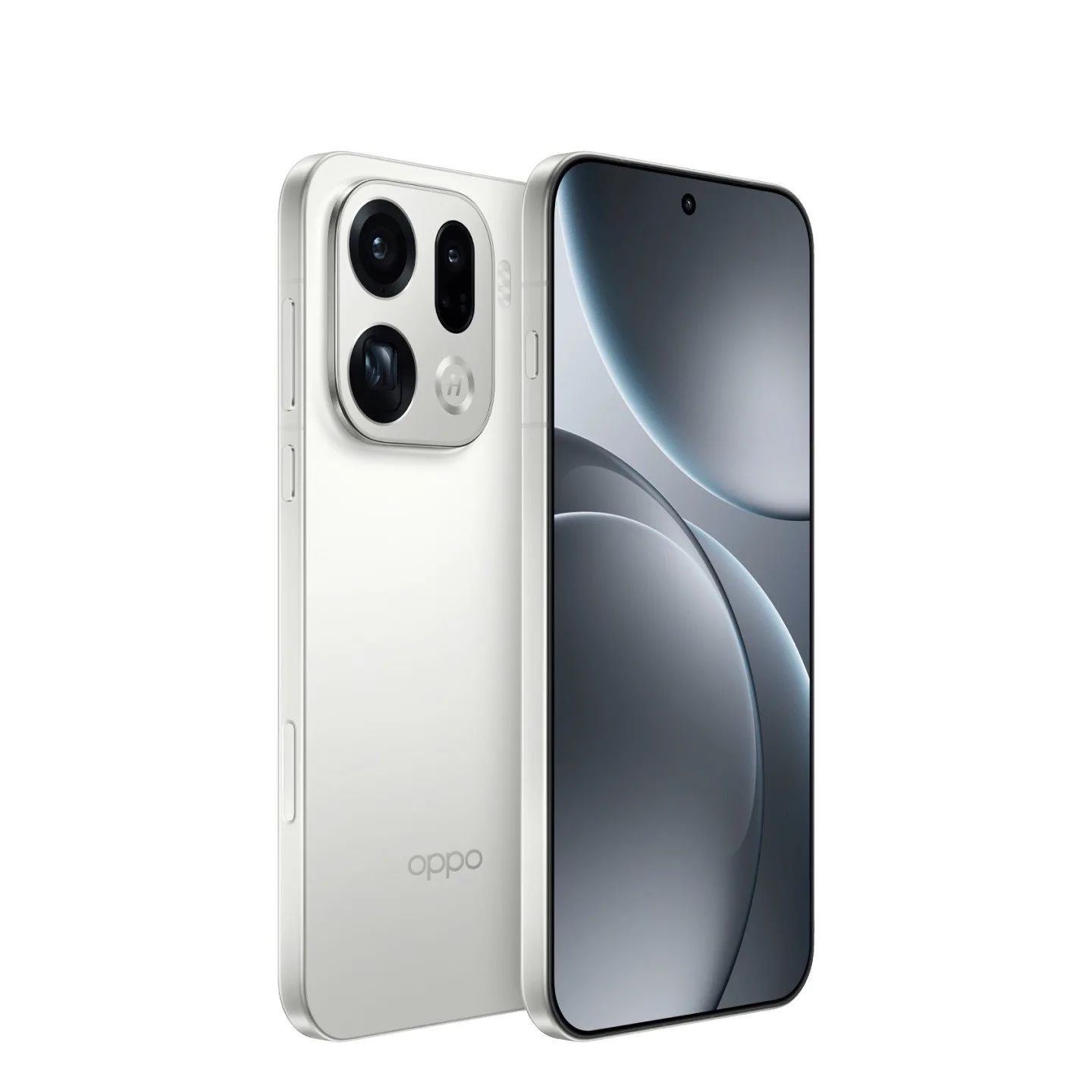
Best for: users who need ultra-long battery life and rapid charging.
Ideal buyer: travellers or power users who want multi-day endurance and top-tier charging speeds.
Why it wins:
- Massive 7 500 mAh battery with 80 W wired and 50 W wireless charging.
- 6.78-inch AMOLED display (2772×1272) with a smooth 120 Hz refresh rate.
- Versatile camera setup: 50 MP wide, 50 MP ultrawide, 200 MP telephoto, and 50 MP selfie camera.
What to watch out for:
- The large battery adds noticeable weight.
- Limited regional availability and premium pricing.
Key specs: 6.78-inch AMOLED (2772×1272, 120 Hz); MediaTek Dimensity 9500; 50/50/200 MP rear cameras and 50 MP front; 7 500 mAh battery with 80 W wired and 50 W wireless charging.
Verdict: A battery champion delivering unmatched endurance with equally impressive fast charging.
See Price
4. Best for Power Users: Google Pixel 10 Pro XL
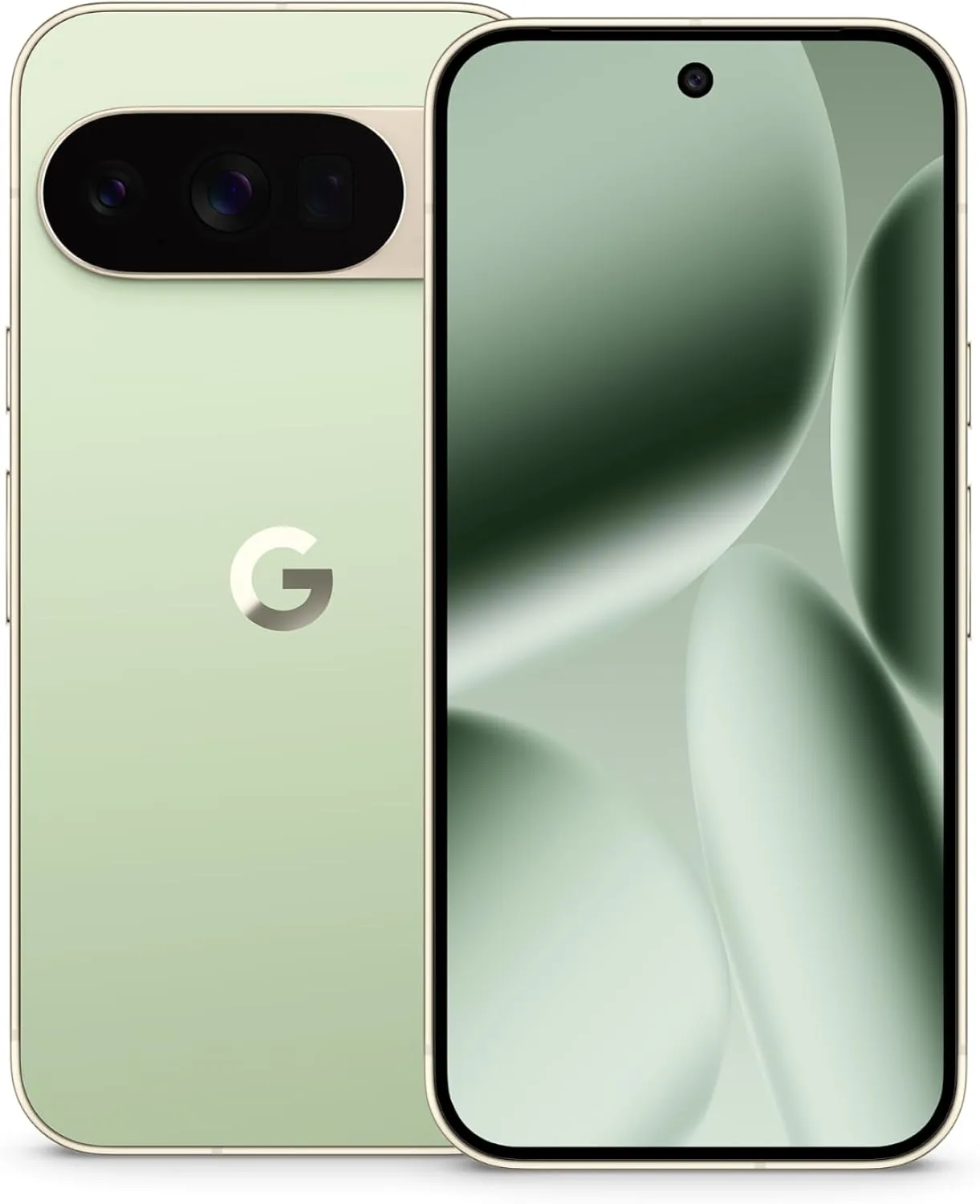
Best for: heavy multitasking and AI-powered experiences.
Ideal buyer: tech-savvy users who want high RAM, generous storage, and Google’s latest AI features.
Why it wins:
- Tensor G5 chip paired with 16 GB RAM and up to 512 GB storage delivers true flagship-class performance.
- Triple-lens rear camera system (50 MP wide, 48 MP ultrawide, 48 MP telephoto) plus a 42 MP selfie camera offers versatile photography.
- Large 5 200 mAh battery supports both fast and wireless charging for long runtimes and quick top-ups.
What to watch out for:
- At 6.8 inches, the phone is large and may feel unwieldy.
- Premium pricing; base storage starts at 256 GB.
Key specs: 6.8-inch display; Tensor G5 with 16 GB RAM; triple 50/48/48 MP rear cameras and 42 MP front; 5 200 mAh battery with fast and wireless charging.
Verdict: A powerhouse smartphone with abundant RAM, storage, and AI-driven features, ideal for demanding users.
See Price
Best Midrange Smartphones 2026 (Balanced Performance for Most Buyers)
Midrange is where value usually peaks: you get a smooth everyday experience and strong battery life without paying ultra-flagship pricing. If you’re deciding between flagship and budget, start here.
5. Best for Productivity midrange : Apple iPhone 16e
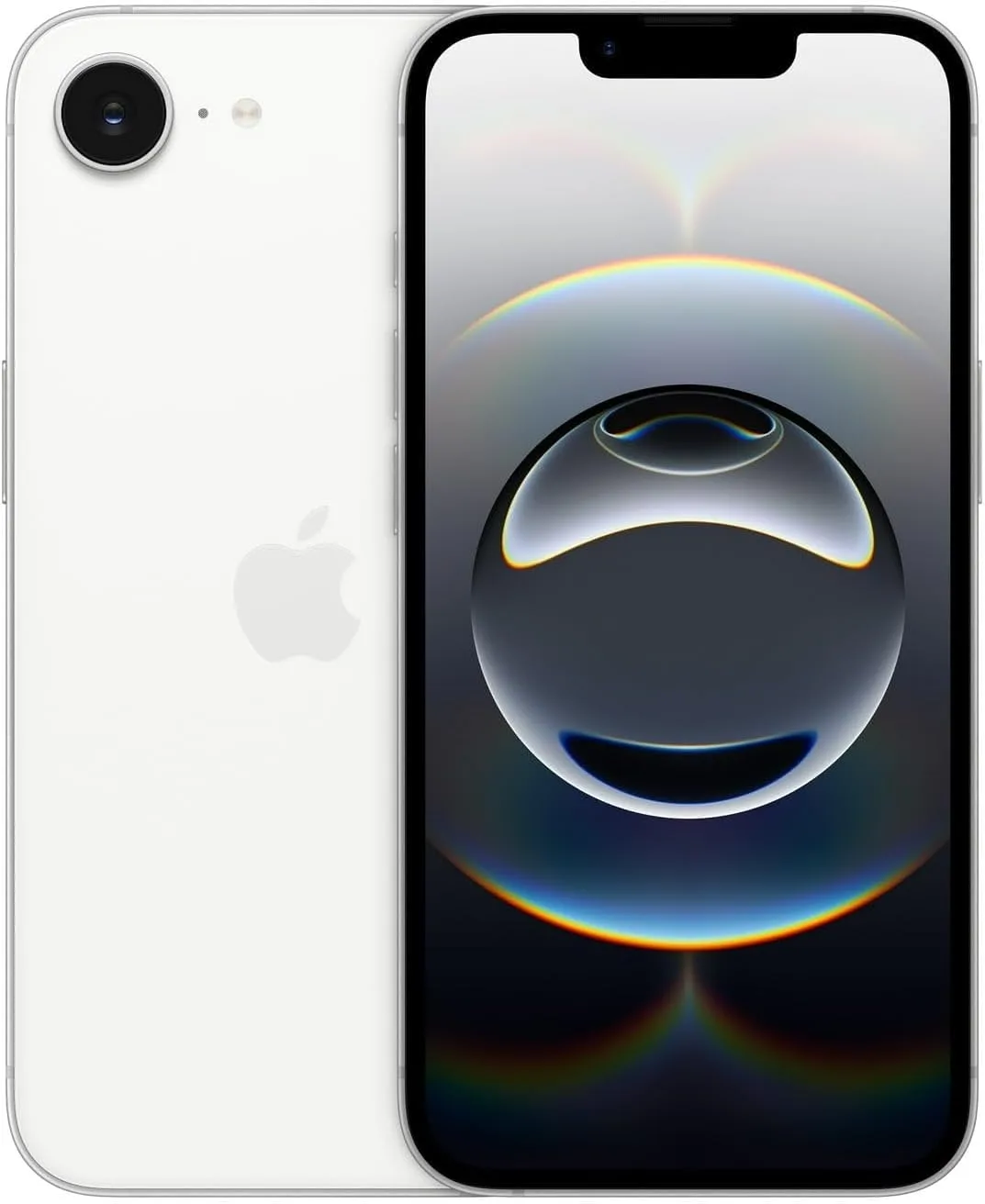
Best for: reliable all-day performance with productivity features.
Ideal buyer: professionals and students who want a dependable 6.1-inch phone.
Why it wins:
- Bright 6.1-inch Super Retina XDR display.
- A18 chip with advanced AI features ensures smooth multitasking.
- 48 MP Fusion camera supports both standard wide and 2× zoom shots, with long battery life.
What to watch out for:
- Single rear camera limits flexibility.
- Wireless charging is limited to standard Qi speeds.
Key specs: 6.1-inch Super Retina XDR OLED; A18 chip with Neural Engine; 48 MP Fusion rear camera and 12 MP front; battery rated for up to 26 hours of video playback.
Verdict: A dependable productivity phone with excellent software support and endurance.
See Price
6. Best Under $500: Samsung Galaxy A56
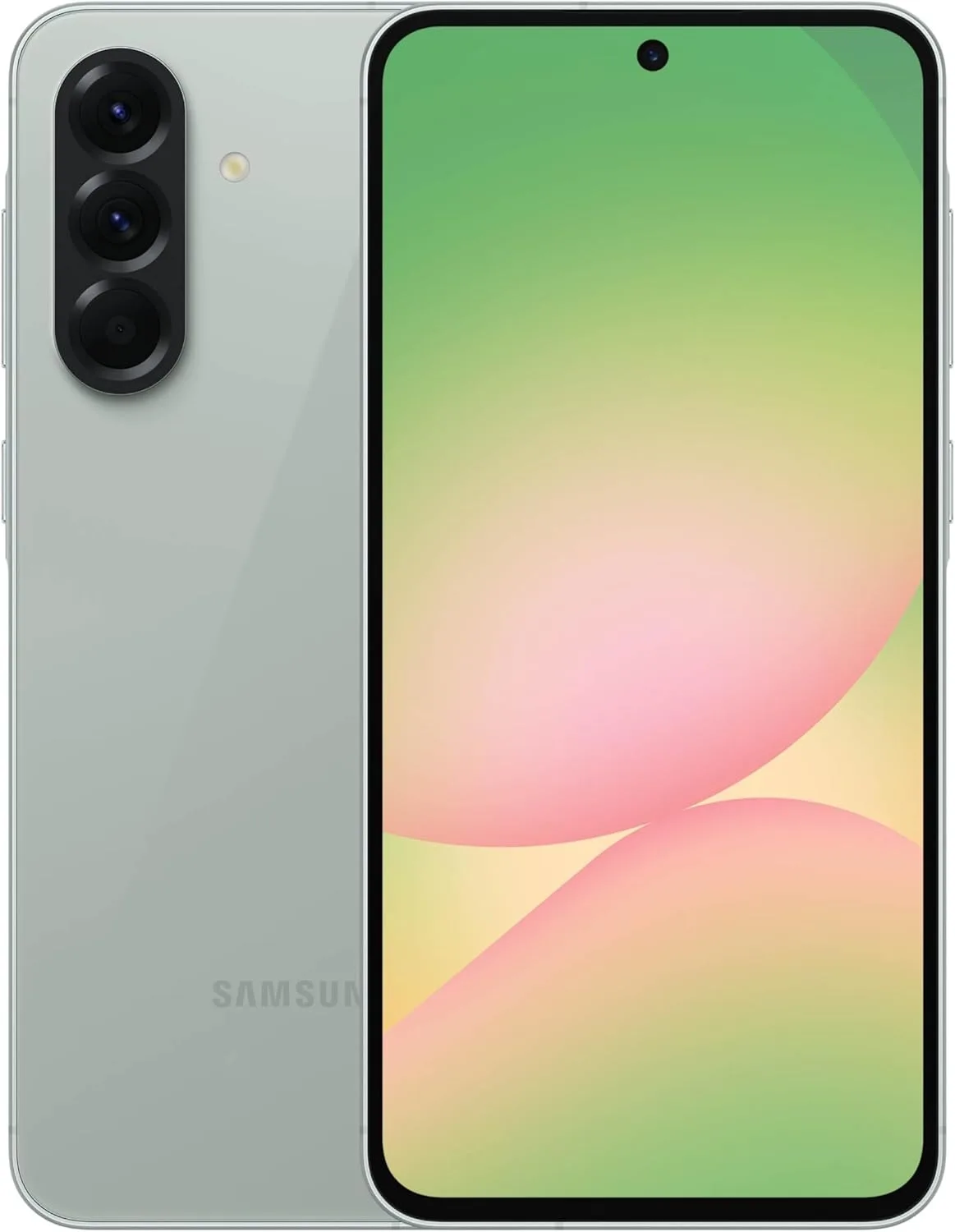
Best for: affordable mid-range performance with reliable battery life.
Ideal buyer: cost-conscious users wanting a big screen and versatile cameras.
Why it wins:
- 6.7-inch 120 Hz display with a capable triple-camera setup.
- 5 000 mAh battery rated for extended video playback.
- Supports 45 W wired fast charging, uncommon at this price.
What to watch out for:
- Exynos 1580 chip is firmly mid-range.
- No wireless charging.
Key specs: 6.7-inch 120 Hz display; Exynos 1580; 50/12/5 MP rear cameras and 12 MP front; 5 000 mAh battery with 45 W fast charging.
Verdict: Strong value with a large display, solid cameras, and long battery life.
See Price
Best Budget Smartphones 2026 (Including Under-$500 Picks)
Budget buyers should prioritize three things: (1) a reliable main camera, (2) battery that lasts a full day, and (3) a track record of software updates. If you care about any one feature most—camera, battery, or clean performance—use the TL;DR above to jump to the right pick.
7. Best Budget Overall: Google Pixel 9a

Best for: premium features at a moderate price.
Ideal buyer: users who want the Pixel experience and AI features without flagship costs.
Why it wins:
- Tensor G4 chip with 8 GB RAM offers responsive everyday performance.
- 48 MP main and 13 MP ultrawide cameras deliver excellent image quality.
- 5 100 mAh battery ensures long battery life with wired and wireless charging.
What to watch out for:
- Limited to 128 GB storage with no expansion.
- Wired charging is slower than some rivals.
Key specs: 6.3-inch pOLED (120 Hz); Tensor G4 with 8 GB RAM; 48/13 MP rear cameras and 13 MP front; 5 100 mAh battery with wired and wireless charging.
Verdict: The best balance of performance, camera quality, and battery life in its price range.
See price
8. Cheapest Strong Value: CMF Phone 2 Pro
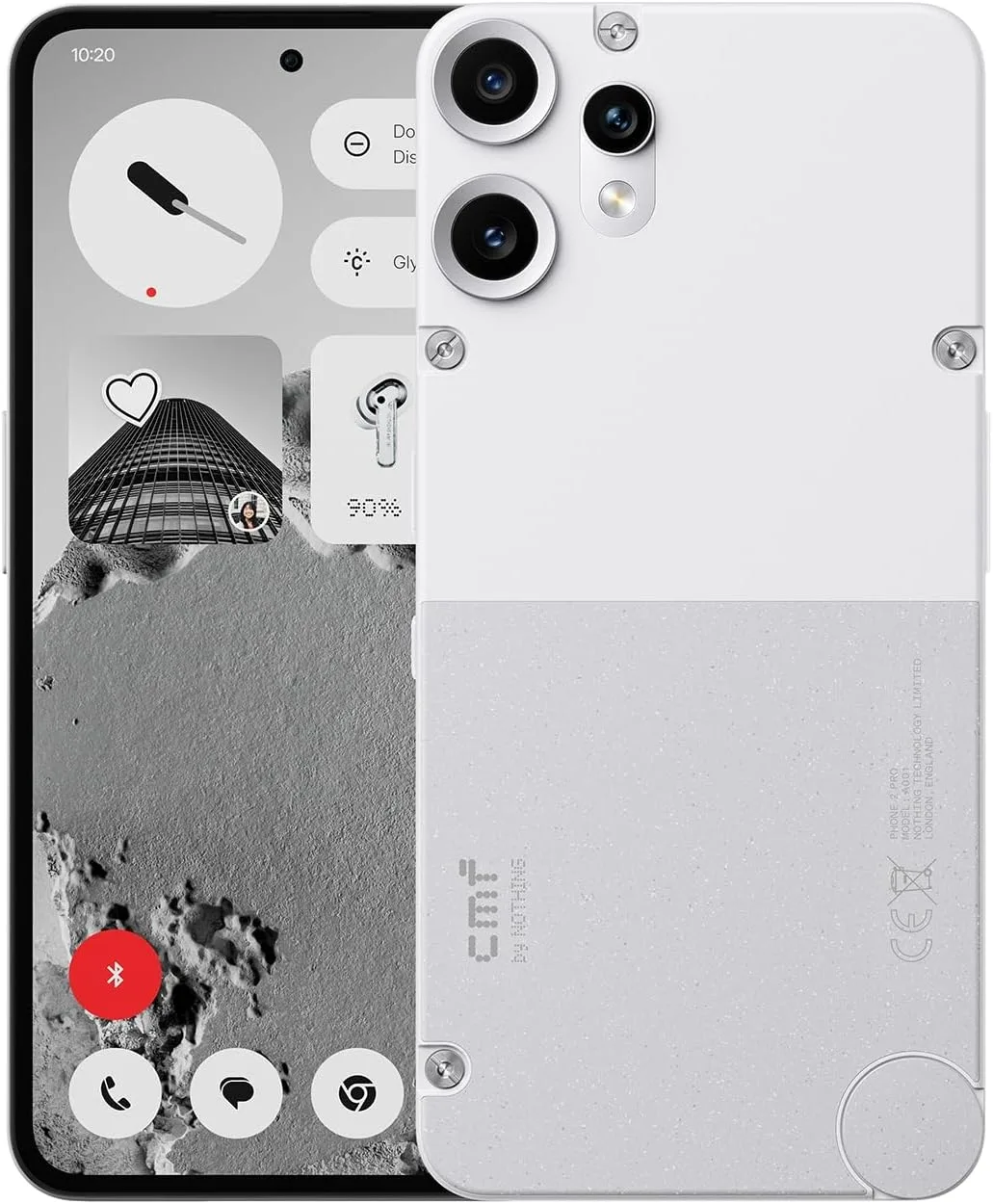
Best for: ultra-affordable pricing without major compromises.
Ideal buyer: budget shoppers who want a large display and solid battery life.
Why it wins:
- Very competitive pricing with generous RAM and storage.
- 5 000 mAh battery with fast charging support.
- Large 6.8-inch OLED display with 120 Hz refresh.
What to watch out for:
- Cameras are functional rather than advanced.
- No wireless charging or water resistance.
Key specs: 6.8-inch OLED (120 Hz); budget-tier chipset with 8 GB RAM; 50/8/50 MP rear cameras and 13 MP front; 5 000 mAh battery with fast charging.
Verdict: Outstanding value for money, offering a big screen and strong battery life at a very low price.
See Price
January 2026 budget notes (what to prioritize)
- Compare total cost: unlocked price vs carrier promos (trade-in, new line, activation fees) before calling it “cheap.”
- Prioritize long software + security support: on budget phones, update policy matters more than tiny spec bumps.
- Battery first: look for proven all-day endurance and fast, safe top-ups (you’ll feel this daily).
- Camera basics: a strong main camera with good processing and stabilization beats extra low-quality lenses.
- Storage/RAM: avoid 64GB if possible; budget phones age faster when storage is tight.
- US compatibility: confirm 5G/LTE band support, warranty, and return window—January deals move fast.
- Buy the tier you need: spend on updates + battery + main camera; ignore “flagship” buzzwords you won’t use
Best Value Flagship Smartphones 2026 (Flagship Killers)
9. Best Fast-Charging Value Flagship: Nothing Phone 3a Pro
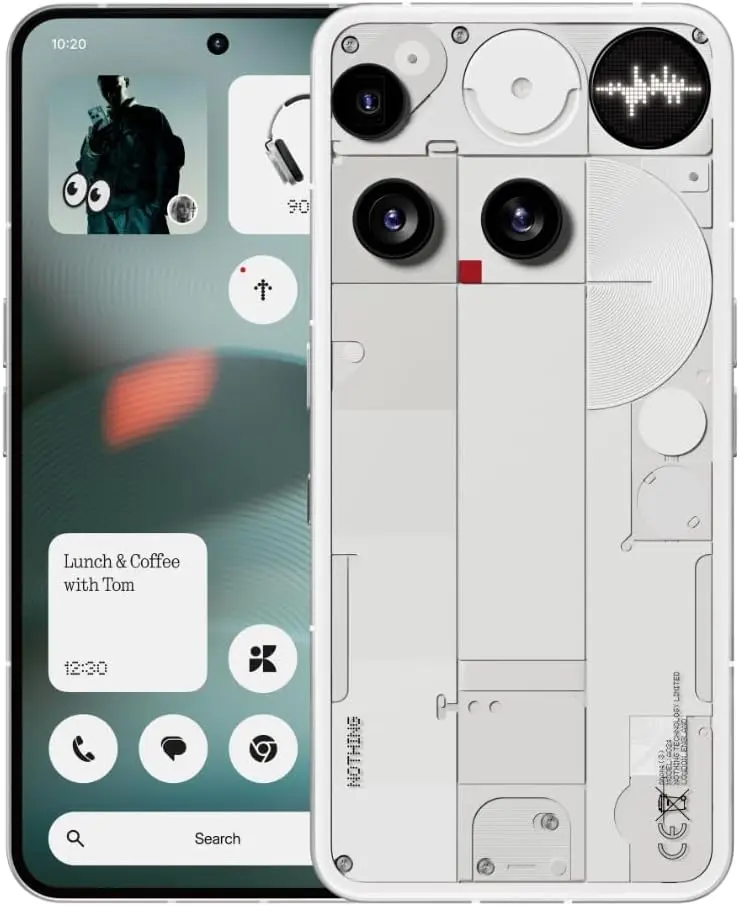
Best for: flagship-style features with fast charging at a fair price.
Ideal buyer: users who want strong specs without premium-flagship pricing.
Why it wins:
- 5 000 mAh battery with 50 W fast and reverse wired charging.
- Triple rear camera system with a 50 MP telephoto lens and 50 MP selfie camera.
- Large 6.8-inch OLED display with 120 Hz refresh at a competitive price.
What to watch out for:
- Mid-range chipset can’t match true flagships.
- No wireless charging.
Key specs: 6.8-inch OLED (120 Hz); Snapdragon 7s Gen 3 with 12 GB RAM; 50/8/50 MP rear cameras and 50 MP front; 5 000 mAh battery with 50 W fast charging.
Verdict: An excellent blend of display quality, cameras, and charging speed at a lower cost.
See Price
10. Best for Gaming: OnePlus 15
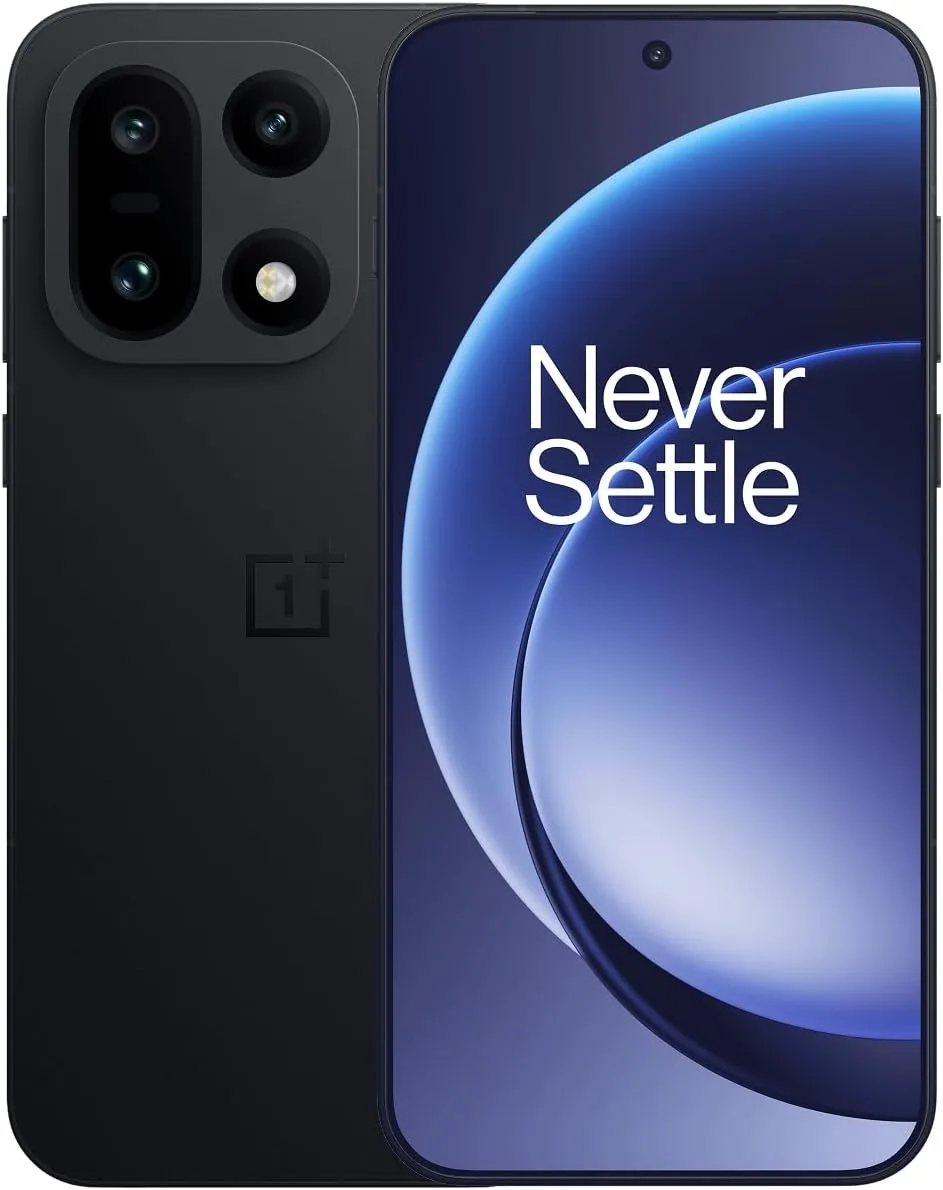
Best for: smooth, high-refresh gaming sessions.
Ideal buyer: gamers who want elite performance without paying top-tier flagship prices.
Why it wins:
- 6.78-inch LTPO OLED display with adaptive 1–120 Hz and up to 165 Hz for supported games.
- Snapdragon 8 Elite Gen 5 chip with up to 16 GB RAM for sustained gaming performance.
- 7 300 mAh battery with ultra-fast wired and wireless charging for long sessions.
What to watch out for:
- Charging speeds vary by region.
- Cameras are good but not class-leading.
Key specs: 6.78-inch LTPO OLED (up to 165 Hz); Snapdragon 8 Elite Gen 5 with 12/16 GB RAM; triple 50 MP cameras and 32 MP selfie; 7 300 mAh battery with fast wired and wireless charging.
Verdict: The phone to beat for mobile gaming thanks to its display, power, and charging speed.
See Price
Recommendations by Buyer Type (Fast Picks)
- Photos first: Choose the “Best for Photos” pick. Prioritize consistent processing and zoom flexibility.
- Battery first: Choose the “Best for Battery” pick. Charging speed matters for daily life.
- Gaming: Choose the “Best for Gaming” pick. Look for sustained performance and heat control.
- Work / productivity: Choose the productivity pick for reliable software support and ergonomics.
- Best value: If you want premium feel for less, start with the value-flagship/flagship-killer pick.
How We Chose These Phones
- E-E-A-T approach (why you can trust this list): We built this 2026 shortlist to reflect real buying decisions, not spec-sheet hype. Each phone was judged using consistent, user-first standards so you can quickly match a device to your needs and budget.
- Selection criteria: We prioritized the right performance tier for smooth daily use, camera consistency across common scenes (daylight, low light, portraits), reliable battery endurance, strong software support (updates, stability, long-term usability), and clear value—what you actually get for the price.
- Testing methodology (practical checks): We focused on everyday signals: responsiveness, photos indoors and outdoors, call quality, heat control during longer sessions (thermal performance), and real-world top-ups (charging time).
- Disclosure: Some links may be affiliate links, which may earn a commission at no extra cost to you. Recommendations remain independent.
Buying Guide
- Camera: Focus on the main sensor and image processing first—this determines most photos. Prioritize reliable OIS stabilization for sharper low-light shots and steadier video, plus consistent HDR and natural skin tones.
- Battery: mAh helps, but real endurance comes from chip efficiency + software. If you’re busy, fast charging matters more than a slightly bigger battery—quick top-ups are a daily advantage.
- Performance: For everyday apps, strong mid-range phones feel fast. For gaming and heavy multitasking, choose models with better thermal management so performance stays stable.
- Software & updates: In 2026, prioritize long update support, security patches, and practical AI features that don’t hurt battery life.
- Ecosystem: Choose based on your devices. iPhone fits best with Mac/iPad/Apple Watch; Android varies, with Google and Samsung offering the smoothest cross-device experience.
FAQ
❓ What are the best budget smartphones 2026?
❓ What is the best budget smartphone 2026 if I only buy one?
❓ What are the best flagship smartphones 2026?
❓ What are the best value flagship smartphones 2026?
❓ What are the best budget flagship killers 2026?
❓ Best budget smartphone January 2026: what should I prioritize?
❓ Best smartphones 2026 various price ranges—how do I choose fast?
❓ Best smartphones to buy in 2026 flagship and midrange—what’s the difference?













 Continue with Google
Reviews