


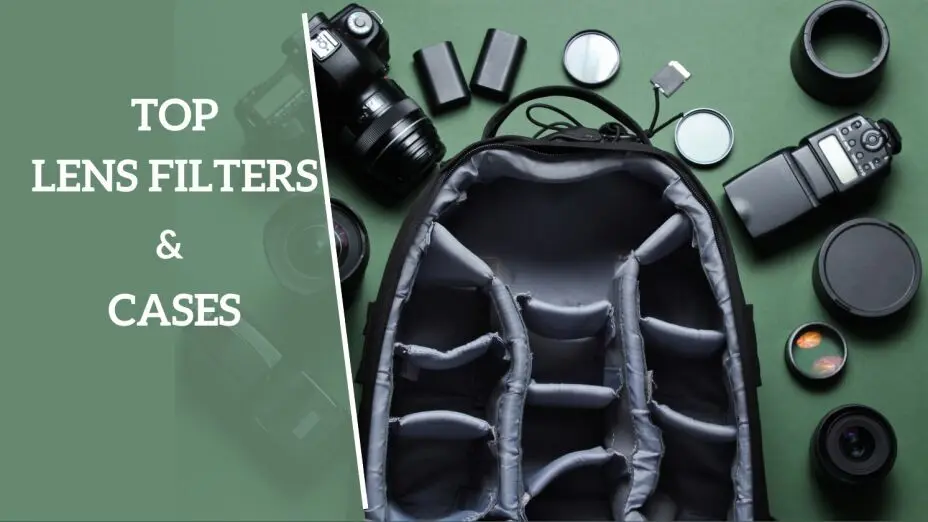
Top Lens Filters & Cases: Enhance and Protect Gear
"How can the right lens filters and protective cases improve your photography experience?"
Ever wondered why some photos pop with vibrant colors while others look flat? Or why professionals swear by lens filters for capturing stunning shots? Whether you're a beginner or a seasoned photographer, choosing the right lens filter can make a world of difference in your images. From polarizers that cut glare to ND filters that help control exposure, the right filter ensures you capture breathtaking landscapes, portraits, and action shots with precision.
But great gear needs great protection! Investing in high-quality lens cases and camera bags is just as important as selecting the right filter. Scratches, dust, and accidental drops can ruin your expensive lenses, making protective storage a must-have for any photographer on the go. Whether you need a compact case for quick access or a padded backpack for long trips, finding the perfect option keeps your gear safe and ready to shoot anytime.
In this ultimate guide, we’ll break down the different types of lens filters and when to use them, plus recommend the best lens cases and camera bags to protect your equipment. Ready to elevate your photography game? Let’s dive in!
Best Camera Bags, Lens Cases & Filters: Find Your Perfect Photography Gear with GiftPals
GiftPals, as your ultimate shopping assistant, offers a diverse selection of camera bags, lens cases, and lens filters for both professional photographers and photography enthusiasts. From durable, shockproof bags designed to protect expensive gear to lightweight and compact options ideal for travel, everything is categorized for easy browsing. GiftPals also provides top-rated lists and smart filters to help you choose the perfect bag and accessories based on your camera type, number of lenses, and photography style.
In addition to camera bags, selecting the right lens filter can significantly enhance image quality. Whether it's a UV filter for lens protection, an ND filter to control light exposure, or a polarizing filter to manage reflections, GiftPals has carefully curated recommendations. With well-organized categories and expert guides, you can quickly find the best products that suit your needs and budget. This level of variety and precision makes GiftPals the go-to destination for choosing the perfect camera bag, lens case, and lens filter effortlessly.
Why Use Lens Filters?
Lens filters aren’t just for protecting your expensive glass—they enhance image quality, reduce reflections, and allow for creative effects that are difficult to replicate in post-processing. Whether you’re shooting landscapes, portraits, or long-exposure photography, the right filter can make a huge difference.
Types of Lens Filters and When to Use Them
Related: How to Choose the Best Camera Lens for Your Needs | Related: Must-Have Accessories for Every Photographer
1. UV Filters – Protection and Clarity
- Best for: General protection and outdoor photography
- How it works: Blocks ultraviolet light, reducing haze in images, particularly at high altitudes and over water.
- When to use: While modern cameras are less affected by UV light, UV filters act as a protective barrier against dust, scratches, and moisture.
✅ Best for: Everyday shooting, travel, and protecting expensive lenses.
2. Polarizing Filters – Reduce Reflections and Enhance Colors
- Best for: Landscape photography, water surfaces, glass reflections
- How it works: Cuts down reflections from non-metallic surfaces, deepens sky colors, and enhances contrast.
- When to use: When shooting bright skies, water, glass, or wet surfaces to eliminate glare and increase saturation.
✅ Best for: Outdoor photography where reflections and glare are an issue.
⚠️ Avoid when: Shooting in low light since they reduce the amount of light entering the lens.
3. Neutral Density (ND) Filters – Control Exposure
- Best for: Long-exposure photography, motion blur, bright environments
- How it works: Reduces the amount of light entering the lens, allowing for slower shutter speeds without overexposure.
- When to use: For creating silky waterfalls, cloud motion, or smooth ocean waves by using long exposures.
✅ Best for: Daytime long exposures, bright conditions, or when shooting video in harsh lighting.
🔸 Variable ND filters: Offer adjustable light reduction, useful for videographers and outdoor photographers.
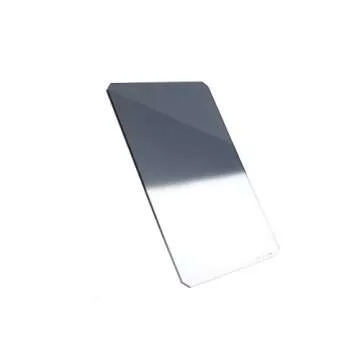
4. Graduated ND Filters – Balance Exposure in Landscapes
- Best for: Sunrise/sunset photography
- How it works: Darkens bright skies while keeping the foreground correctly exposed.
- When to use: When shooting landscapes with a strong contrast between the sky and the land.
✅ Best for: Landscape photographers who don’t want to bracket exposures.
5. Color Filters – Creative and Black & White Photography
- Best for: Adding color effects, enhancing B&W contrast
- How it works: Tints images with specific colors or enhances contrast in black-and-white photography.
- When to use: For creative effects or to manipulate contrast in monochrome shots.
✅ Best for: Film photographers, experimental digital photography.
How to Properly Clean and Maintain Your Camera Lenses: Tips and Tools
Taking care of your camera lenses is just as important as choosing the right filter. Proper maintenance ensures clear, sharp images and extends the lifespan of your gear. Here’s how to clean and protect your lenses effectively:
1. Essential Cleaning Tools
- Microfiber Cloths – Used for gentle cleaning without scratching the lens surface.
- Lens Cleaning Solution – A specially formulated liquid to remove smudges and fingerprints.
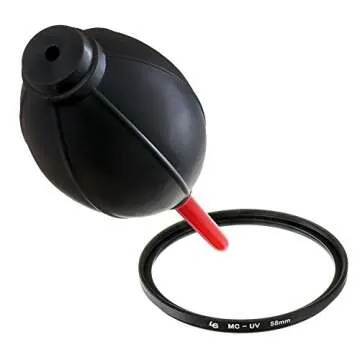
- Lens Blower – Helps remove dust particles without touching the lens.
- Soft Brush – Ideal for brushing away dirt from the lens and camera body.
- Lens Cleaning Wipes – Pre-moistened disposable wipes for quick cleaning on the go.
2. Proper Cleaning Techniques
- Step 1: Use a lens blower to remove loose dust before wiping.
- Step 2: Gently brush off any remaining particles with a soft brush.
- Step 3: Apply a few drops of lens cleaning solution to a microfiber cloth (never directly on the lens).
- Step 4: Wipe the lens in a circular motion from the center outward.
- Step 5: Let it air dry or use a dry section of the microfiber cloth to remove excess moisture.
3. Maintenance Tips for Long-Term Protection
- Always Use a Lens Cap – When not in use, keep your lens covered to prevent dust and scratches.
- Store in a Dry Place – Humidity can cause fungus growth; store lenses in a dry, cool environment.
- Avoid Touching the Glass – Oils from fingers can leave smudges that are hard to clean.
- Use a UV Filter – Acts as a protective barrier against dust, moisture, and accidental bumps.
By following these cleaning and maintenance practices, you’ll keep your camera lenses in top condition, ensuring consistently high-quality shots.
How to Choose the Right Filter
Choosing the right lens filter depends on several key factors. Here’s a quick breakdown to help you decide:
| Factor | What to Consider |
| Shooting Conditions | Are you capturing landscapes, portraits, or video? Different scenarios require specific filters. |
| Budget | Higher-end filters provide better optical quality, while cheaper filters may degrade image sharpness. |
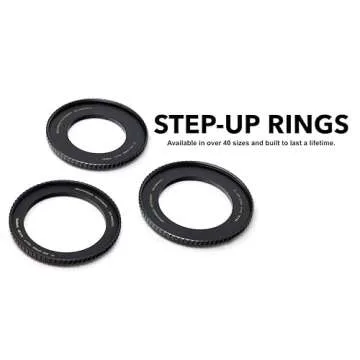
| Lens Thread Size | Ensure the filter fits your lens diameter (e.g., 67mm, 77mm). |
| Fixed vs. Variable ND Filters | Variable ND filters offer flexibility but may introduce unwanted artifacts. |
| Stacking Filters | Stacking too many filters can cause vignetting or image degradation. |
Additional Tips
- If you shoot in bright conditions often, a polarizing filter or ND filter is a must.
- For general protection, a UV filter is an inexpensive way to safeguard your lens.
- Landscape photographers benefit from graduated ND filters to balance exposure.
By considering these factors, you’ll be able to choose the right filter for your needs and maximize your photography potential.
- Know Your Shooting Conditions – Are you shooting landscapes, portraits, or video? Different scenarios require different filters.
- Consider Your Budget – Higher-end filters provide better optical quality. Cheap filters can degrade image sharpness.
- Check Your Lens Thread Size – Make sure the filter fits your lens diameter (e.g., 67mm, 77mm).
- Decide Between Fixed vs. Variable Filters – Variable ND filters offer flexibility but may introduce unwanted artifacts.
- Stacking Filters – Avoid stacking too many filters as it may cause vignetting or image degradation.
Best Lens Cases and Bags to Protect Your Gear on the Go
Why Invest in a Quality Lens Case or Bag?
Your camera gear is an investment, and protecting it from dust, moisture, and accidental drops is essential. Whether you're traveling light or carrying multiple lenses, the right case or bag ensures your lenses remain safe and ready for action.
Top Lens Cases for Maximum Protection
To help you choose the best protection for your gear, here are some of the top-rated lens cases with user reviews and ratings:
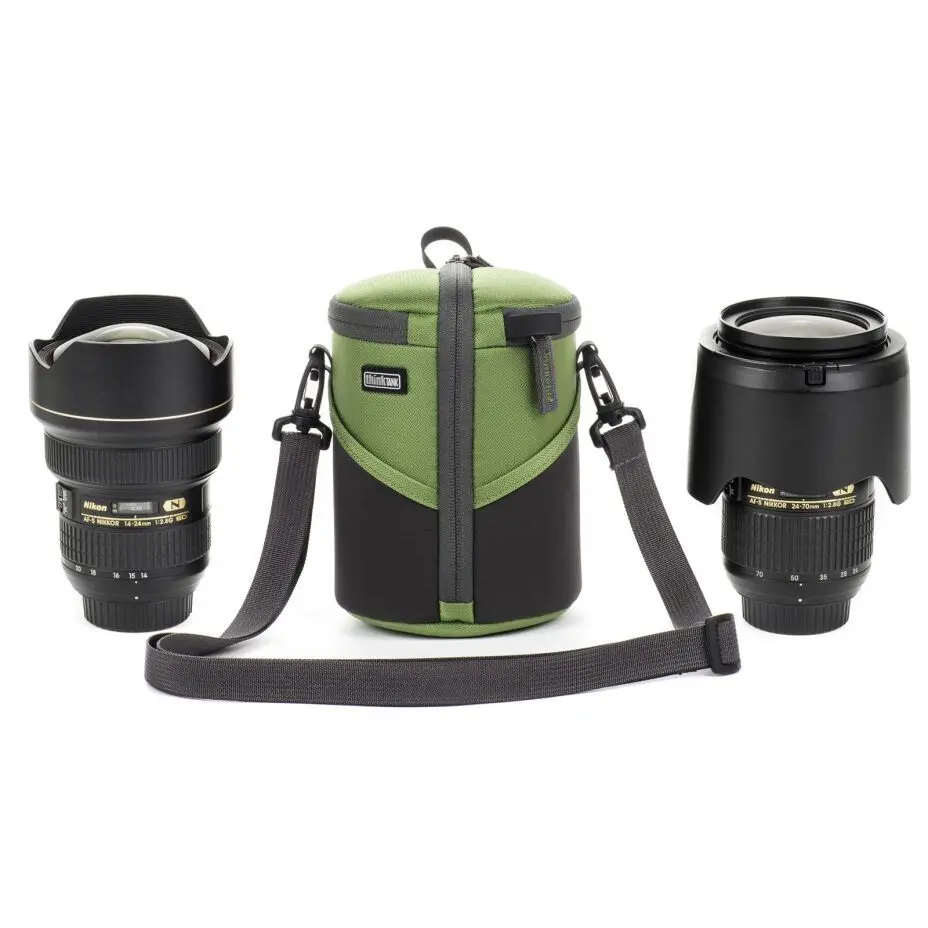
1. Think Tank Photo Lens Case Duo 20
Best for: Compact lens protection
-
Features:
✅ Dual zippers for top and side access
✅ Padded interior with soft lining
✅ Belt attachment for easy carrying
User Rating: ⭐⭐⭐⭐⭐ (4.8/5 based on 500+ reviews)
💡 Why it’s great: Perfect for carrying an extra lens securely on location shoots.
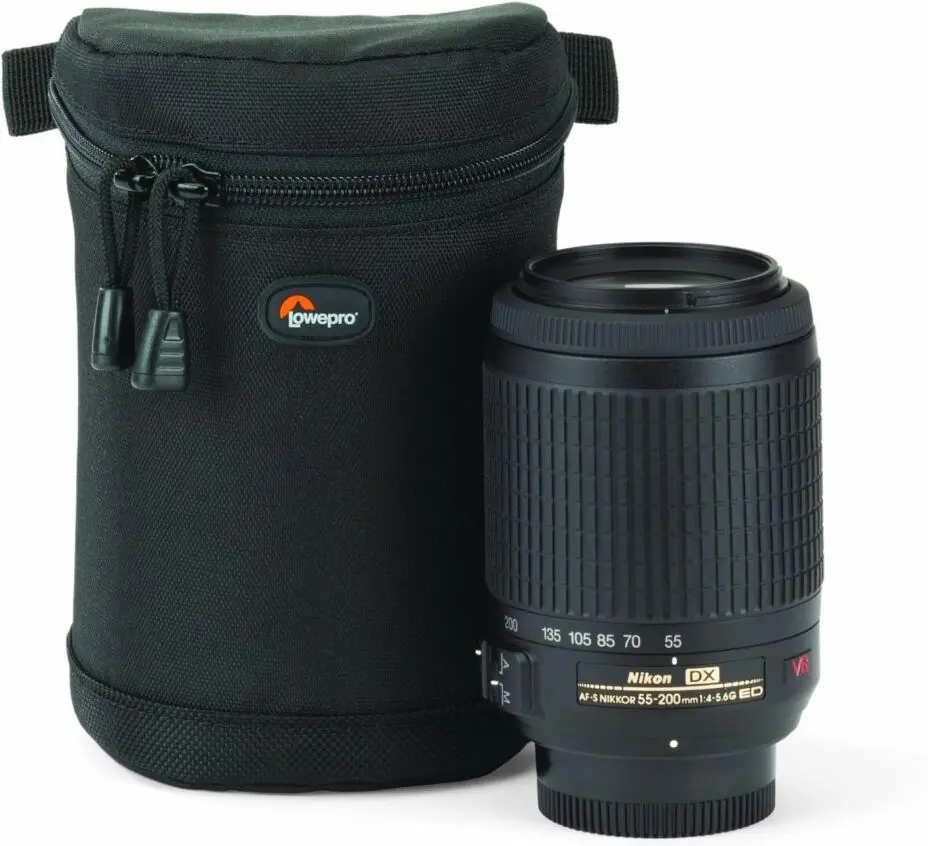
2. Lowepro Lens Case 9x13cm
Best for: All-weather protection
-
Features:
✅ Thick padding with a snug fit
✅ Water-resistant fabric
✅ Adjustable strap for carrying
User Rating: ⭐⭐⭐⭐☆ (4.5/5 based on 300+ reviews)
💡 Why it’s great: A durable, padded case that fits most standard prime and zoom lenses.
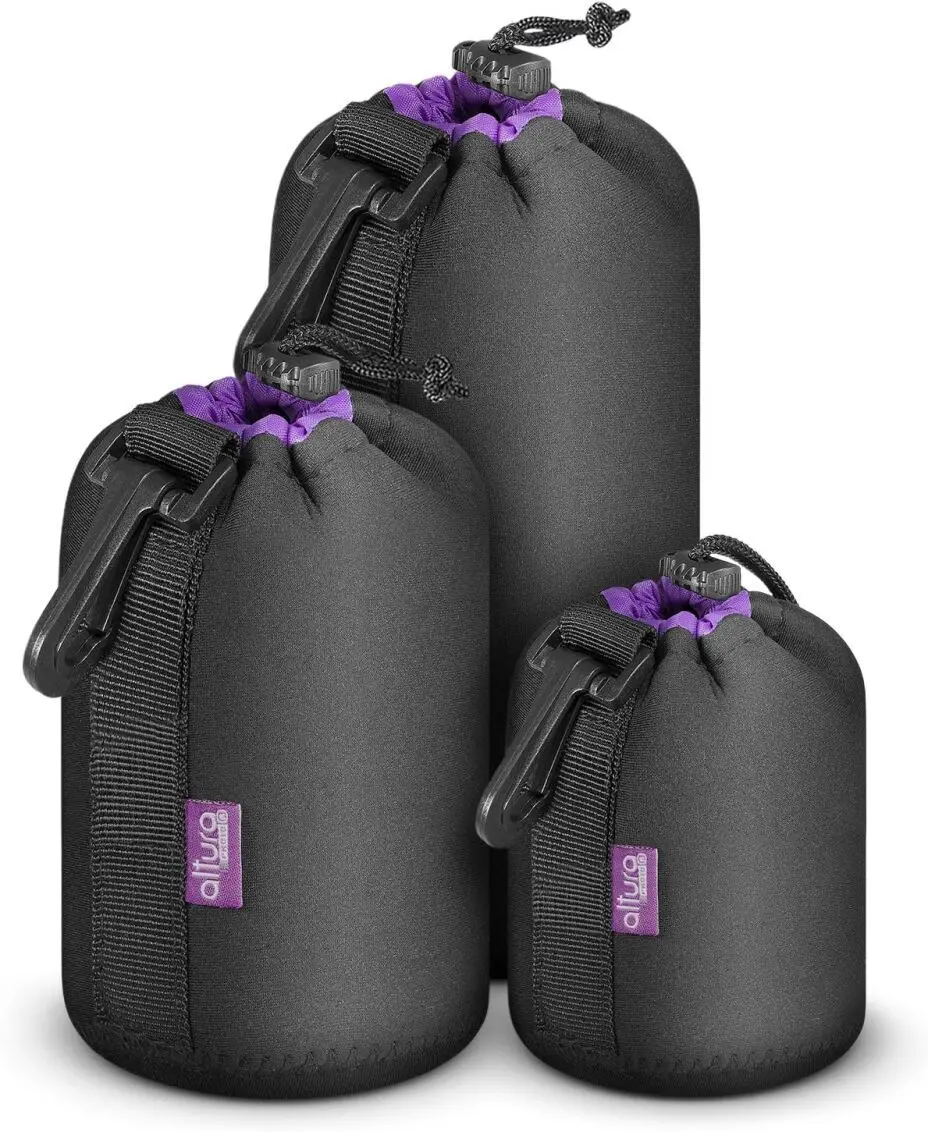
3. Altura Photo Thick Neoprene Lens Pouch Set
Best for: Budget-conscious photographers
-
Features:
✅ Set of four pouches in different sizes
✅ Drawstring closure with a carabiner clip
✅ Soft but protective material
User Rating: ⭐⭐⭐⭐☆ (4.6/5 based on 600+ reviews)
💡 Why it’s great: Affordable yet protective for those who need multiple lens cases.
By considering user ratings and reviews, you can make a more informed decision about the best lens case for your needs.
Best Camera Bags for Lenses & Gear
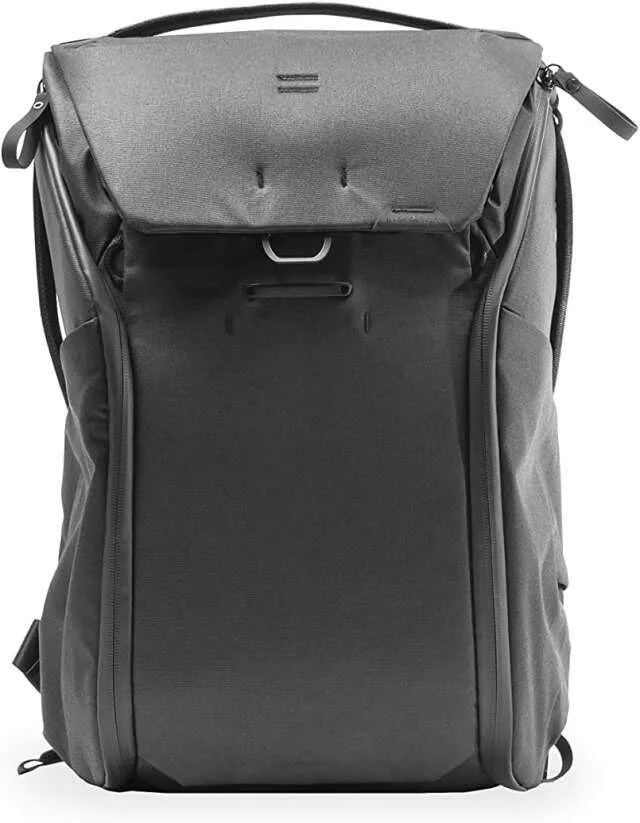
1. Peak Design Everyday Backpack V2 (20L & 30L)
Best for: Travel and daily use
Features:
✅
Customizable dividers for lenses and cameras
✅
Weatherproof and stylish design
✅
Expandable capacity for extra gear
User Rating: ⭐⭐⭐⭐⭐ (4.8/5 based on 1,200+ reviews)
💡 Why it’s great: A sleek and functional backpack that protects lenses while offering flexibility.
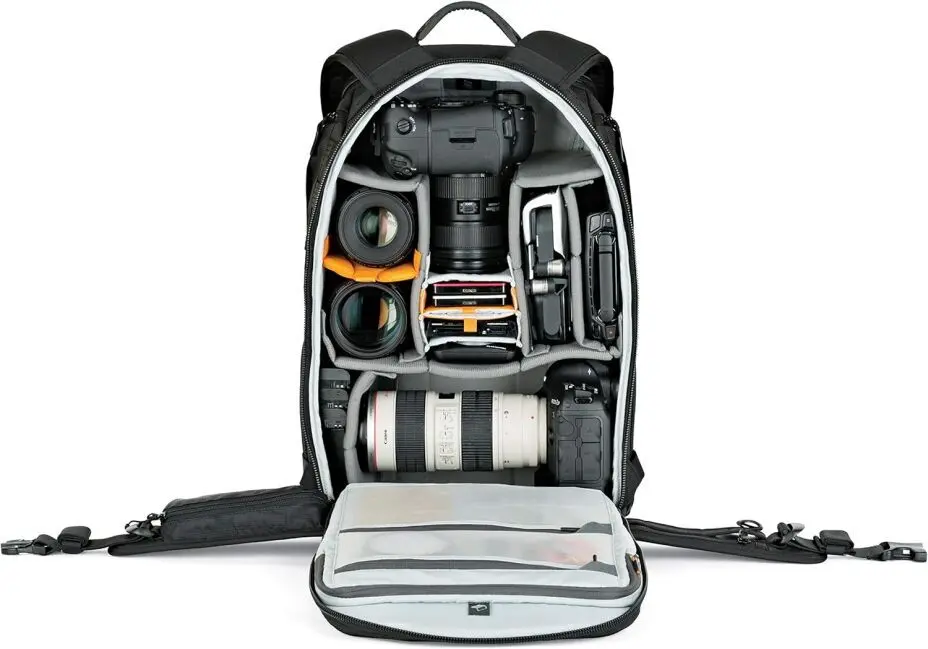
2. Lowepro ProTactic BP 450 AW II
Best for: Professional photographers
Features:
✅
Rugged, military-grade design
✅
Multiple access points (top, sides, and back)
✅
Adjustable compartments
User Rating: ⭐⭐⭐⭐☆ (4.7/5 based on 900+ reviews)
💡 Why it’s great: A heavy-duty backpack for serious photographers who carry multiple lenses.
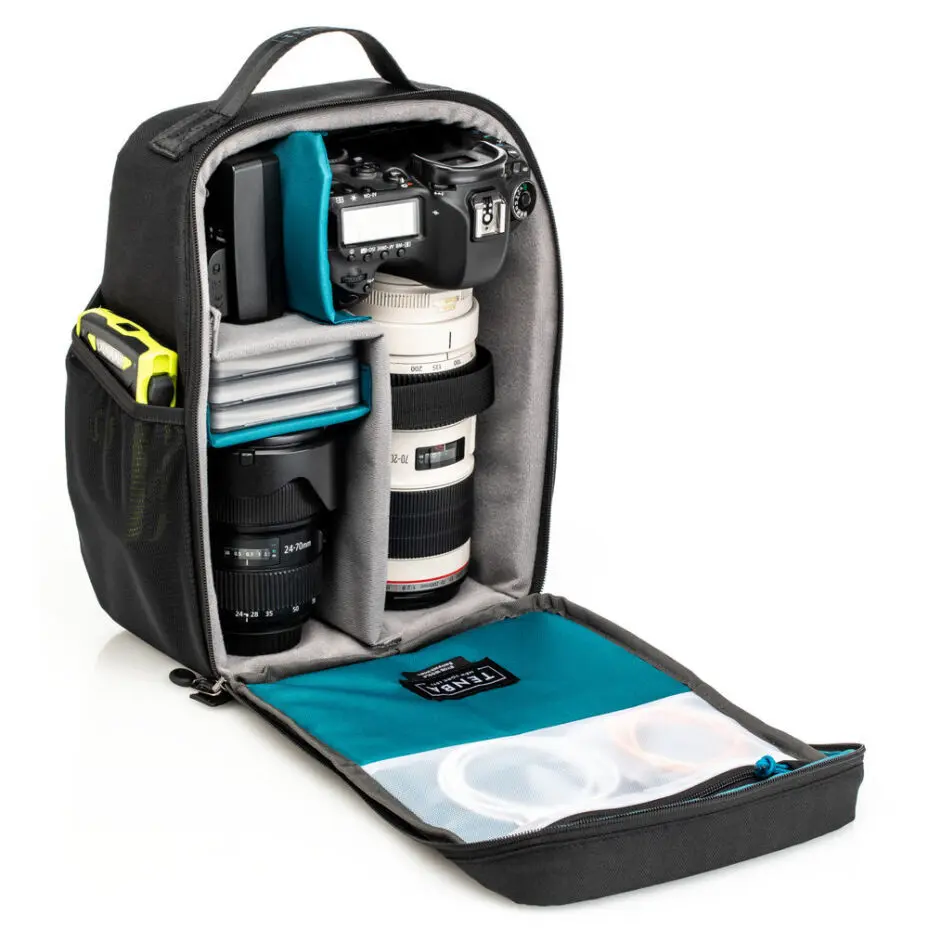
3. Tenba BYOB Camera Insert
Best for: Converting regular bags into camera bags
Features:
✅
Padded compartments for lenses and accessories
✅ Fits
inside regular backpacks or suitcases
✅
Lightweight and portable
User Rating: ⭐⭐⭐⭐☆ (4.6/5 based on 750+ reviews)
💡 Why it’s great: Ideal for photographers who don’t want a dedicated camera bag.
Top Lens Cases and Camera Bags for Maximum Protection
| Product | Best For | Features | User Rating | Why It’s Great |
|---|---|---|---|---|
| Think Tank Photo Lens Case Duo 20 | Compact lens protection | Dual zippers, padded interior, belt attachment | ⭐⭐⭐⭐⭐ (4.8/5 based on 500+ reviews) | Perfect for carrying an extra lens securely on location shoots. |
| Lowepro Lens Case 9x13cm | All-weather protection | Thick padding, water-resistant fabric, adjustable strap | ⭐⭐⭐⭐☆ (4.5/5 based on 300+ reviews) | A durable, padded case that fits most standard prime and zoom lenses. |
| Altura Photo Thick Neoprene Lens Pouch Set | Budget-conscious photographers | Set of four pouches, drawstring closure, soft protective material | ⭐⭐⭐⭐☆ (4.6/5 based on 600+ reviews) | Affordable yet protective for those who need multiple lens cases. |
| Peak Design Everyday Backpack V2 (20L & 30L) | Travel and daily use | Customizable dividers, weatherproof design, expandable capacity | ⭐⭐⭐⭐⭐ (4.8/5 based on 1,200+ reviews) | A sleek and functional backpack that protects lenses while offering flexibility. |
| Lowepro ProTactic BP 450 AW II | Professional photographers | Rugged design, multiple access points, adjustable compartments | ⭐⭐⭐⭐☆ (4.7/5 based on 900+ reviews) | A heavy-duty backpack for serious photographers who carry multiple lenses. |
| Tenba BYOB Camera Insert | Converting regular bags into camera bags | Padded compartments, fits inside regular bags, lightweight | ⭐⭐⭐⭐☆ (4.6/5 based on 750+ reviews) | Ideal for photographers who don’t want a dedicated camera bag. |
What to Look for in a Lens Case or Bag
- Padding & Protection – The thicker the padding, the better the protection.
- Weather Resistance – Look for water-resistant or waterproof materials.
- Ease of Access – Quick-access zippers help when changing lenses on the go.
- Size & Fit – Ensure the case or bag accommodates your specific lenses.
- Portability – Choose between belt cases, shoulder bags, or backpacks depending on your needs.
Investing in the right lens filter, protective case, or camera bag can make all the difference in your photography journey. Whether you're looking to enhance image quality, experiment with creative effects, or simply keep your gear safe, choosing the best option depends on your needs and shooting conditions.
A high-quality filter can elevate your shots by enhancing colors, reducing glare, or enabling long-exposure effects. Meanwhile, a durable lens case or camera bag ensures your equipment stays protected while on the move—whether you're an amateur or a professional.
Check out our recommended filters, cases, and bags to find the perfect fit for your photography setup! 📷✨
FAQs
Q1: Do I
really need a UV filter if my camera has a digital
sensor?
A1:
While modern digital sensors are less affected by UV light, a UV
filter is still useful for protecting your lens from scratches,
dust, and moisture.
Q2: What’s
the best filter for landscape photography?
A2:
A polarizing filter is great for enhancing colors and reducing
glare, while an ND filter helps with long-exposure shots of water
and skies.
Q3: How do
I choose the right lens case size?
A3:
Check your lens dimensions and choose a case that provides a snug
fit without being too tight. Many brands offer size charts for
reference.
Would you like me to add comparison tables for filters and bags to make the selection process easier?







 Continue with Google
Reviews