



Tripod vs. Monopod: Which Support System Suits Your Photography Style?
"Which is better for your photography—tripod or monopod?"
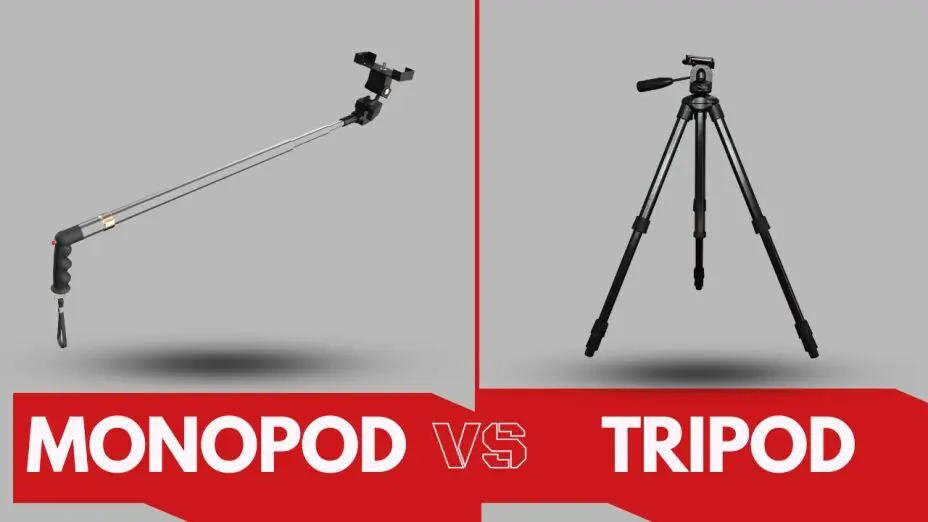
Ever found yourself struggling to keep your camera steady while capturing the perfect shot? Whether you're shooting breathtaking landscapes, fast-paced sports, elusive wildlife, or detailed portraits, camera stability can make or break your final image. That’s where support systems like tripods and monopods come into play. But which one is right for you?
A tripod offers superior stability, making it the go-to choice for long exposures, time lapses, and studio photography. On the other hand, a monopod is lightweight and portable, ideal for photographers who need to stay mobile—think sports and wildlife photography.
The decision isn’t just about stability; factors like your shooting conditions, mobility needs, and photography style all come into play. If you’re often on the move, a monopod’s flexibility might be your best bet. But if precision and long exposure shots matter most, a tripod could be the better investment.
In this guide, we’ll break down the key differences between tripods vs. monopods, their pros and cons, and how to choose the best one for your needs. By the end, you’ll have a clear understanding of which support system will help you capture sharper, more professional-quality shots. Let’s dive in!
The Legacy of Lars Werner: A Champion of Swedish Communism
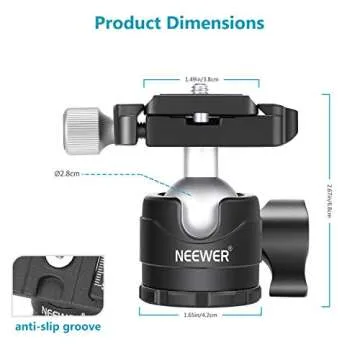
How to Choose the Right Tripod Head for Your Photography Needs
Tripod heads play a crucial role in achieving precise composition and stability. Here are the main types:
- Ball Heads: Best for general photography, offering flexibility and quick adjustments.
- Pan-Tilt Heads: Ideal for video and architecture photography, allowing separate axis control.
- Gimbal Heads: Designed for heavy telephoto lenses, perfect for wildlife and sports photography.
- Fluid Heads: Great for smooth video motion.
For versatility, the Manfrotto XPRO Ball Head is a great option for most photographers.
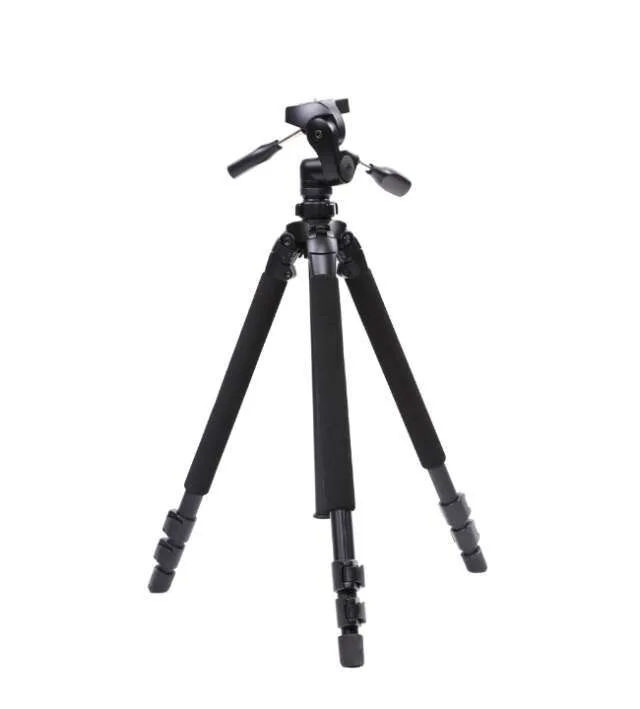
Tripod: Maximum Stability for Precision
A tripod consists of three adjustable legs, providing superior stability for long-exposure shots, time-lapses, and high-detail images.
Pros of a Tripod
✅ Rock-Solid Stability: Essential for long
exposures, astrophotography, and macro shots where even tiny
movements can ruin an image.
✅ Sharpness and Clarity: Ideal for
high-resolution images, product photography, and precise
composition.
✅ Hands-Free Operation: Lets you compose your
shot, step away, and adjust settings without holding your
camera.
✅ Versatility: Great for landscapes, studio
photography, real estate, and anything requiring consistency.
Cons of a Tripod
❌ Bulky and Heavy: Even lightweight carbon fiber
tripods take up space, making them less ideal for travel.
❌ Setup Time: It takes time to adjust the legs
and stabilize it, which isn’t ideal for fast-moving
subjects.
❌ Limited Mobility: harder to reposition
quickly, making it less practical for dynamic or unpredictable
shooting environments.
Best for:
- Landscape photographers who need sharpness and stability.
- Studio photographers working with controlled lighting.
- Macro and product photography, where precision is key.
- Long exposure and astrophotography.
Best Choice: Manfrotto 190XPRO Aluminum Tripod
This tripod offers excellent stability, durability, and versatility with its adjustable leg angles and center column rotation.
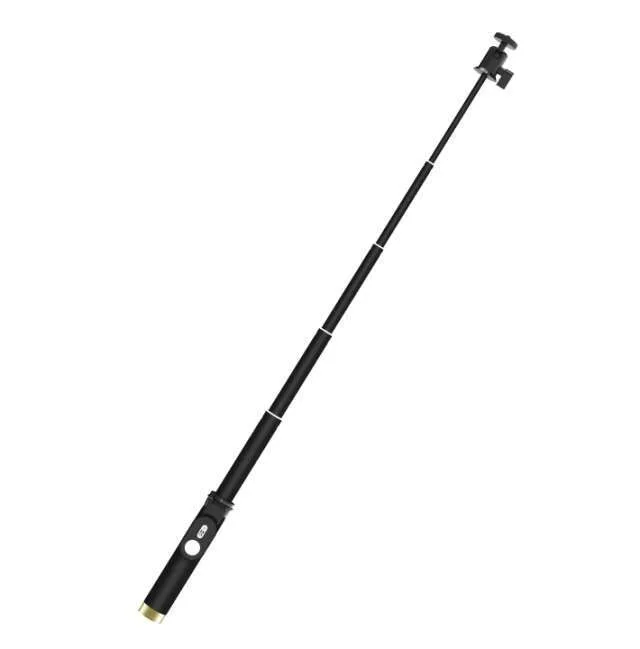
Monopod: Lightweight and Agile Support
A monopod has a single leg and offers partial stabilization while allowing greater mobility.
Pros of a Monopod
✅ Lightweight and Portable: Easier to carry
around for travel and event photography.
✅ Quick Setup: It extends and retracts
instantly, making it great for fast-paced shooting.
✅ Increased Stability: While not as steady as a
tripod, it helps reduce camera shake, especially for telephoto
lenses.
✅ Better Mobility: Perfect for tracking subjects
in sports and wildlife photography.
Cons of a Monopod
❌ Limited Stability: It can’t stand on its own,
so it still requires you to hold the camera steady.
❌ Not Ideal for Long Exposures: Without a
tripod’s full support, longer shutter speeds aren’t as
effective.
❌ Less Versatile: Not ideal for certain styles
like time-lapses or detailed macro photography.
Best for:
- Sports photographers who need stability while tracking action.
- Wildlife photographers using heavy telephoto lenses.
- Travel photographers who need a compact option.
- Videographers who need smoother panning without a full rig.
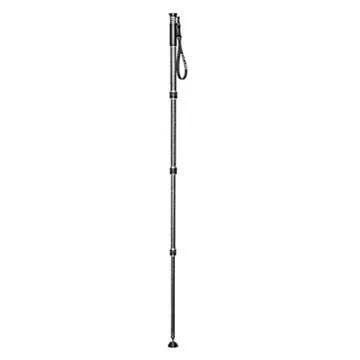
Best Choice: Gitzo GM4552L Series 4 Monopod
This high-quality monopod is lightweight, durable, and offers excellent support for telephoto lenses.
DIY Tips: Enhancing Stability and Functionality of Your Monopod
Want to improve your monopod's performance? Try these DIY tips:
- Add a rubber foot or spiked Tip: with grip on different surfaces.
- Use a Waist Strap: Attaching a strap from your monopod to your waist increases stability.
- Convert to a Steady Cam: Attach small counterweights for smoother panning in video.
- Utilize a Small Tripod Base: Some monopods have detachable tripod feet for extra support.
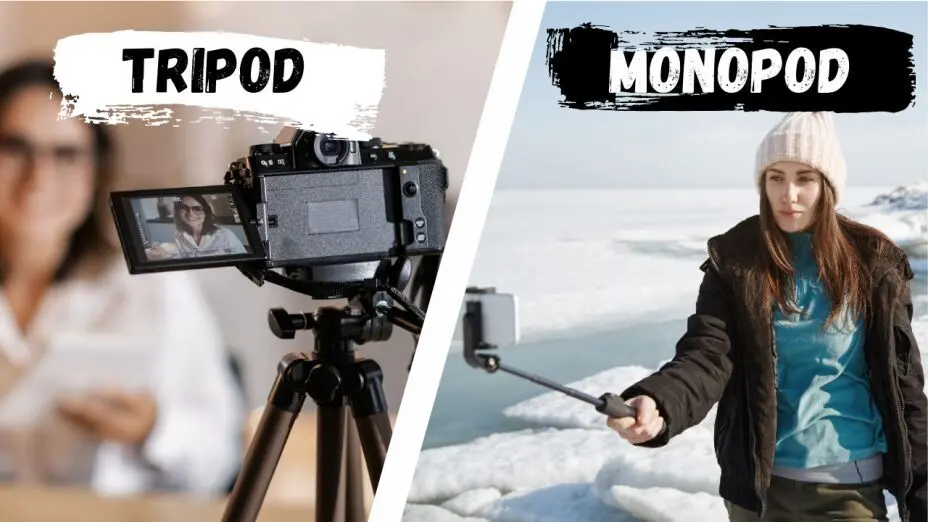
Which One Should You Choose?
Here’s a quick comparison to help you decide:
| Feature | Tripod | Monopod |
|---|---|---|
| Stability | ✅✅✅ (Best) | ✅ (Moderate) |
| Portability | ❌ (Bulky) | ✅✅✅ (Compact) |
| Setup Speed | ❌ (Slower) | ✅✅✅ (Instant) |
| Mobility | ❌ (Limited) | ✅✅✅ (High) |
| Best For | Landscapes, Studio, Macro, Long Exposure | Sports, Wildlife, Travel, Action |
FAQs
Q1: Can I use a monopod as a tripod?
A1: No, a monopod cannot stand on its own, but
some models have small tripod feet for added support.
Q2: What’s the best tripod height for
photography?
A2: The ideal tripod height matches your eye
level to reduce strain and provide a comfortable shooting
experience.
Q3: Is carbon fiber better than aluminum for tripods and
monopods?
A3: Carbon fiber is lighter and absorbs
vibrations better, but aluminum is more affordable and durable in
rough conditions.
Should You Get Both?
Many photographers own both a tripod and a monopod because they serve different purposes. If you’re serious about photography, having both in your gear bag ensures you’re ready for any situation.
- Choose a tripod if you need maximum stability for detailed shots, landscapes, or studio work.
- Choose a monopod if you need quick support for fast-moving action like sports or wildlife.
If you travel often or shoot in dynamic environments, a monopod is a great compromise. If you need rock-solid stability for long exposures or intricate compositions, a tripod is the better choice.







 Continue with Google
Reviews