



Wireless Charging vs. Fast Wired Charging: Which is Best?
"Which Charging Method is Better for You—Wireless or Wired?"
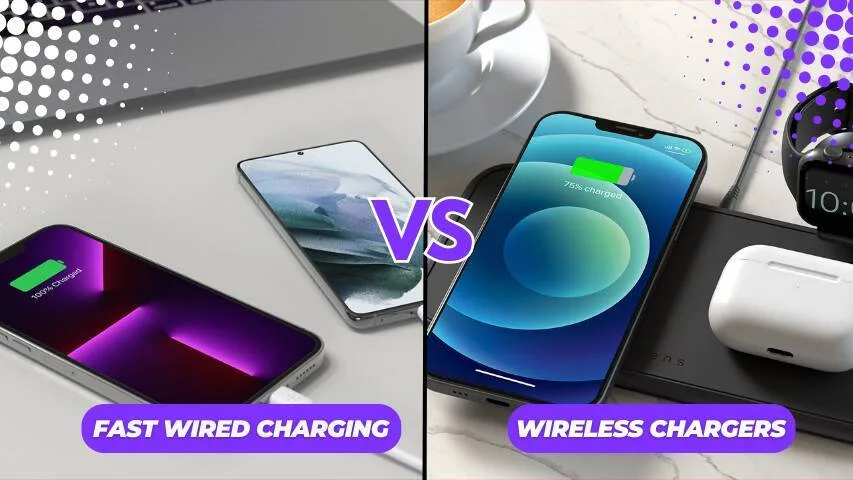
As smartphones and gadgets evolve, so do the ways we power them. Choosing between wireless charging and fast wired charging can be tough, especially with both offering unique benefits. Whether you’re looking for speed, convenience, or battery health, this guide will help you decide which charging method suits your needs best.
What is Wireless Charging vs. Fast Wired Charging?
Before diving into the comparison, let's break down each charging technology:
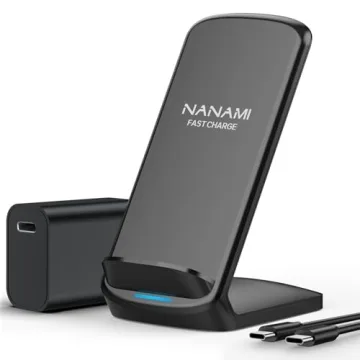
Wireless Charging: This method uses electromagnetic induction (Qi standard) to transfer energy from a charging pad to your device, eliminating the need for cables.
Fast Wired Charging: In this method, a physical cable connection (USB-C, Lightning, or proprietary fast-charging tech) delivers power at higher wattages for quicker charge times.
What’s the Difference?
Before diving into comparisons, let’s break down what each technology offers:
- Wireless Charging: Uses electromagnetic induction (Qi standard) to transfer energy from a charging pad to your device, eliminating the need for cables.
- Fast Wired Charging: Uses a physical cable connection (USB-C, Lightning, or proprietary fast-charging tech) to deliver power at higher wattages for quicker charge times.
Speed: Which Charges Faster?
If speed is your top priority, fast wired charging is the clear winner.
- Wired Charging: Most modern smartphones support 30W to 120W fast charging, allowing them to reach 50% battery in just 10-15 minutes and full charge in about 30-45 minutes (depending on the model).
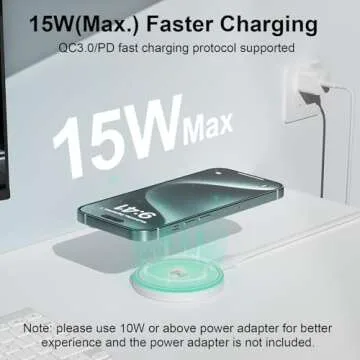
- Wireless Charging: The fastest Qi wireless chargers today max out around 15W-50W, meaning it can take 1-2 hours to fully charge a phone. Some flagship phones like Xiaomi and OnePlus are pushing faster wireless charging speeds, but it’s still generally slower than wired charging.
Verdict: Fast wired charging wins for speed.
Convenience: Which One Is Easier to Use?
- Wireless Charging: Just place your phone on a charging pad—no cables needed. Great for desks, nightstands, or offices.
- Wired Charging: Requires plugging and unplugging, which can be inconvenient but ensure a direct, stable connection.
However, wireless charging has its drawbacks:
- You can’t comfortably use your phone while it’s charging.
- Phones must be perfectly aligned on the charging pad.
- It’s not as portable as a simple wired charger.
Verdict: Wireless charging wins for convenience.
Battery Health: Which Is Better for Longevity?
Both charging methods can impact battery lifespan, but there are key differences:
- Fast Charging: Generates more heat, which can degrade battery health over time if used frequently.
- Wireless Charging: Also generates heat but at a slower rate than extreme fast-charging methods.
Some manufacturers, like Apple and Samsung, use smart charging technology to optimize battery health by slowing down charging speeds when needed.
Verdict: Wireless charging is slightly better for battery health, but both can be safe with proper usage.
Portability: Which One Works Best on the Go?
- Fast Wired Charging: Compact chargers and portable power banks allow you to charge anywhere.
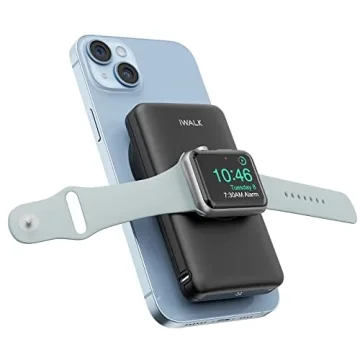
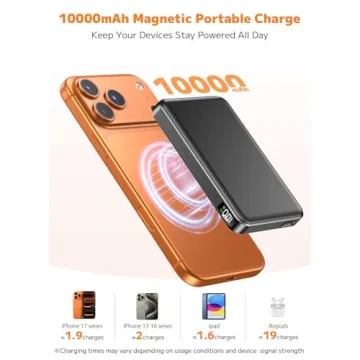
- Wireless Charging: Needs a dedicated charging pad, which isn’t practical for travel unless you have a wireless power bank.
Verdict: Fast wired charging wins for portability.
Cost: Which One Offers Better Value?
- Fast Wired Chargers: Affordable, with fast-charging adapters available for $20-$50.
- Wireless chargers: typically cost more, ranging from $30-$100 for reliable models.
If you want speed on a budget, wired charging is the better option.
Verdict: Fast wired charging wins for cost-effectiveness.
Which One Should You Choose?
It all depends on your priorities.
| Factor | Wireless Charging | Fast Wired Charging |
|---|---|---|
| Speed | ❌ Slower (1-2 hours) | ✅ Super fast (30-45 min) |
| Convenience | ✅ Just place on a pad | ❌ Requires plugging in |
| Battery Health | ✅ Generates less heat | ❌ Heat can degrade battery |
| Portability | ❌ Less travel-friendly | ✅ Works anywhere with a cable |
| Cost | ❌ More expensive | ✅ More affordable |
Go for wireless charging if:
✅ You prioritize convenience over speed.
✅ You mainly charge at home or the office.
✅ You want to reduce wear and tear on your charging port.
Go for Fast Wired Charging if:
✅ You need the fastest charge possible.
✅ You frequently travel and need a power source anywhere.
✅ You want a budget-friendly and efficient charging solution.
FAQ: Wireless Charging vs. Fast Wireless Charging
Q1: Is wireless charging slower than wired
charging?
A1: Yes, wireless charging is generally slower
than fast wired charging. While fast wired charging can charge
your phone to 50% in 10-15 minutes, wireless charging typically
takes 1-2 hours for a full charge.
Q2: Can wireless charging damage my phone's
battery?
A2: Wireless charging is generally safe for your
phone's battery, but frequent heat generation can lead to gradual
wear. Using a high-quality charger with built-in heat management
can help protect your battery.
Q3: Do I need to be careful about the charging speed for
battery health?
A3: Yes, fast charging can generate more heat,
which may affect long-term battery health. However, most phones
now have built-in protections to manage this, including slowing
down charging speeds when necessary.
Final Thoughts
Fast wired charging remains the best choice for speed, portability, and affordability, while wireless charging is ideal for convenience and everyday use at home or work. Many users find a combination of both works best—using wired charging when in a rush and wireless charging for overnight or desk use.
Which one do you prefer? Let us know! 🚀








 Continue with Google
Reviews