


















Understanding Abuse and Finding Help
Understanding the Different Types of Abuse
Abuse is a complex and multifaceted issue that affects individuals in various ways. It can take many forms, including physical, emotional, sexual, and financial abuse. Understanding these types is crucial for recognizing and addressing abuse in one’s life or the lives of loved ones. Physical abuse often manifests through acts of violence, such as hitting, slapping, or any behavior that causes physical harm. Emotional abuse, on the other hand, can be more insidious, involving manipulation, humiliation, or constant criticism.
Sexual abuse includes non-consensual sexual acts and can occur in intimate relationships or through coercion. Financial abuse occurs when one individual exerts control over another's financial resources, often leaving victims feeling trapped and without access to their own money. Recognizing the signs of these abusive behaviors is the first step toward breaking the cycle and seeking help.
Finding Resources and Support Systems
If you or someone you know is experiencing abuse, it's important to know that support is available. Many organizations specialize in providing resources for abuse victims, including hotlines, counseling, and safe shelters. National domestic violence hotlines offer 24/7 assistance and can guide individuals through available options, including legal advice and emotional support. Reaching out to trusted friends or family members can also open avenues for help.
Several websites list local resources, making it easier to find help tailored to your specific needs. Many community-based organizations provide services such as therapy, support groups, and legal assistance to help victims reclaim their lives. It’s vital to approach these resources with compassion and understanding, recognizing the courage it takes to seek help.
Supporting Loved Ones who are Experiencing Abuse
If you suspect that a friend or family member may be experiencing abuse, offering your support can make a significant difference in their journey toward healing. Start by creating a safe space for them to share their feelings without judgment. Listen actively, validate their experiences, and encourage them to seek professional help. Sometimes, just knowing someone cares can be a lifeline for those in an abusive situation.
It’s essential to educate yourself on the resources available to assist them in making informed choices about their situation. Organizations such as The National Domestic Violence Hotline, RAINN (Rape, Abuse & Incest National Network), and various local shelters provide valuable information and guidance. Understanding the impact of abuse and providing unwavering support can empower your loved one to break free from their situation and embark on a journey toward recovery.
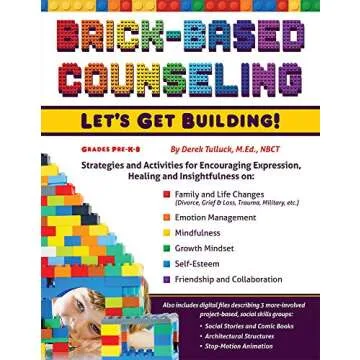
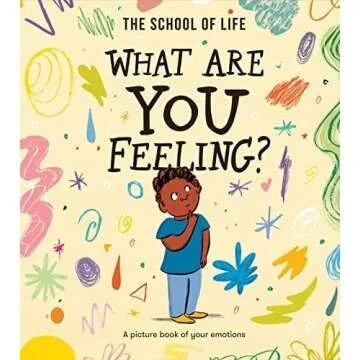
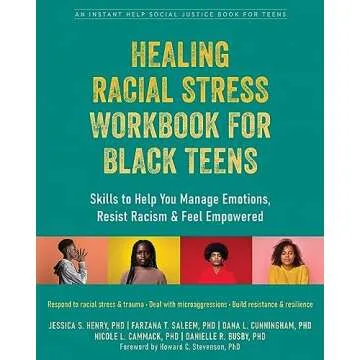
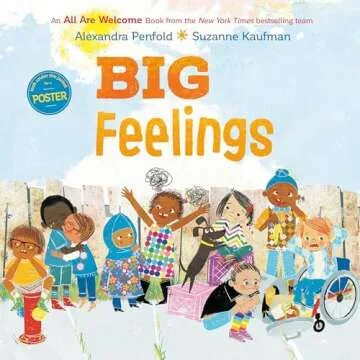
Finally, purchasing gifts or resources that promote healing, such as self-help books or relaxation tools, can be a thoughtful way to encourage self-care and recovery. Remember that showing empathy and being an ally can foster a sense of trust and safety, which is crucial for those overcoming the trauma of abuse.
Giftpals.com offers several resources and thoughtful gifts specifically aimed at supporting individuals through challenging times. Consider selecting gifts that provide comfort or promote well-being for someone you care about who might be facing abuse.



 Continue with Google