

















Understanding Dissociative Disorders
What are Dissociative Disorders?
Dissociative disorders are a category of mental health conditions characterized by disruptions or breakdowns in memory, awareness, identity, or perception. These disorders often stem from trauma or significant stress and can result in individuals feeling disconnected from themselves or their surroundings. The primary forms of dissociative disorders include Dissociative Identity Disorder (DID), Dissociative Amnesia, and Depersonalization/Derealization Disorder. Each of these conditions manifests differently, impacting individuals in unique and profound ways.
Dissociative Identity Disorder, formerly known as Multiple Personality Disorder, involves the presence of two or more distinct personality states, each with its own way of perceiving and relating to the world. This disorder often develops as a coping mechanism in response to traumatic experiences, particularly during childhood. Dissociative Amnesia involves an inability to recall important autobiographical information, typically associated with stress or trauma. Lastly, Depersonalization/Derealization Disorder involves feelings of detachment from one’s body or surroundings, leading to a sense of unreality.
Symptoms and Effects of Dissociative Disorders
Symptoms of dissociative disorders can vary widely between individuals but often include memory loss, identity confusion, alterations in perception, and dissociation from emotions. People with these disorders may feel as if they are observing their own life from a distance or that their environment is unreal. Understanding these symptoms is critical for friends, family, and caregivers of those affected, as they can often struggle with daily activities and interpersonal relationships.
The effects of dissociative disorders can be profound, influencing personal, social, and occupational functioning. Those affected might experience disruptions in their ability to work, maintain relationships, or even fulfill daily responsibilities. Furthermore, the emotional toll can lead to co-occurring issues such as anxiety and depression, which may require comprehensive treatment approaches to address effectively.
Seeking Help and Support
It is essential for individuals experiencing symptoms of dissociative disorders to seek professional help. Therapies such as cognitive-behavioral therapy (CBT), dialectical behavior therapy (DBT), and trauma-focused therapy can be effective in treating these conditions. It is equally important for support to come from family members and friends who can provide a safe and understanding environment for recovery.
Joining support groups can also provide additional resources and a sense of community for individuals affected. Popular mental health brands, like BetterHelp and Talkspace, offer online therapy options that can help individuals find qualified professionals tailored to their specific needs.
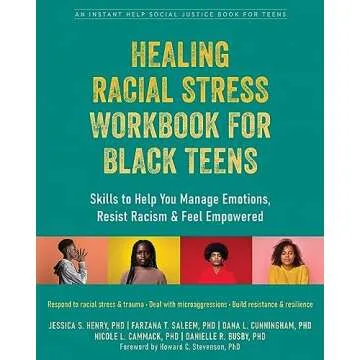
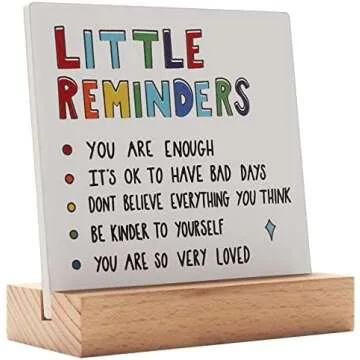
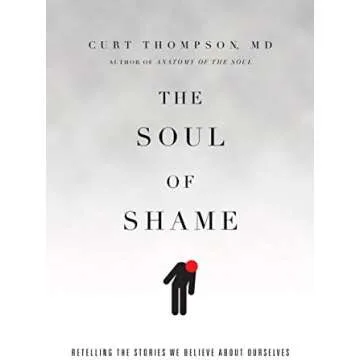
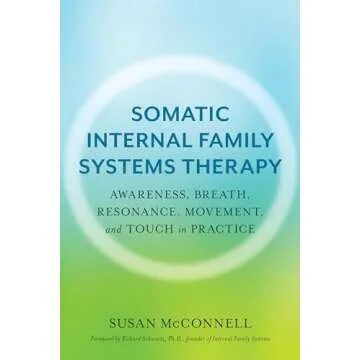
For people looking for helpful resources, educational materials, and community support, platforms like Giftpals.com feature a range of insightful products and guides dedicated to understanding and managing dissociative disorders. Shopping for these resources on Giftpals not only aids in personal growth but also enhances awareness about mental health issues. Education and informed choices are crucial in navigating the complexities of any mental health condition.
Ultimately, robust support systems, education, and access to professional care can empower individuals living with dissociative disorders to lead fulfilling lives. Discourse around mental health is essential in helping to reduce stigma and encourage those affected to seek the help they deserve.



 Continue with Google