















Explore the Best Lab Scopes for Your Needs
Understanding Lab Scopes
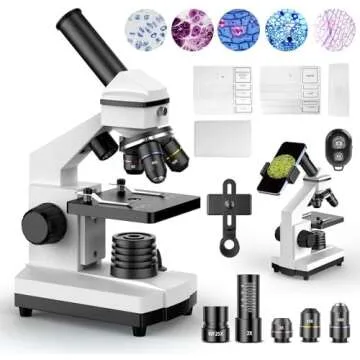
An essential tool in any laboratory, lab scopes offer clarity and precision for researchers and students alike. Often referred to as microscopes, these instruments magnify small objects, enabling scientists to observe cellular structures, microorganisms, and intricate details that are not visible to the naked eye. Whether you're studying biology, conducting research, or working on a project in a school lab, choosing the right lab scope is crucial to your work's accuracy and effectiveness.
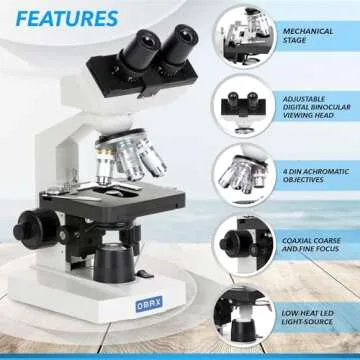
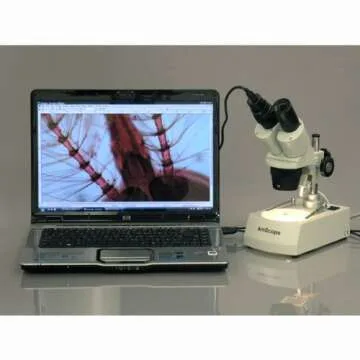
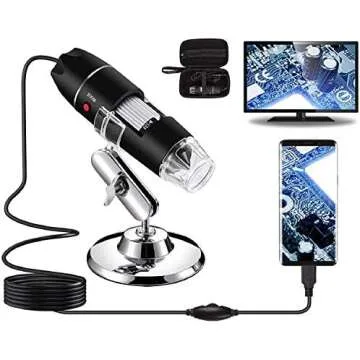
Lab scopes come in various types to cater to different research needs. Compound microscopes are great for observing slides, while stereo microscopes are perfect for viewing larger specimens. Digital microscopes, which connect to computers, are increasingly popular for their ability to capture images and videos, aiding in presentations and documentation of findings. Understanding the purpose of your research will guide you in selecting the right type of lab scope for your laboratory or classroom setting, ensuring you get the most value from your investment.
Popular Brands and Their Unique Features
When it comes to lab scopes, several brands stand out for their exceptional quality and innovation. Brands like Olympus, Nikon, and Leica are renowned for producing durable, high-performance microscopes that meet professional standards. Olympus, for example, offers a range of models featuring advanced optics and user-friendly interfaces, perfect for newcomers and experienced users alike. Nikon is known for its robust and versatile scopes that include digital options, making it easy to enhance your research through technology.
Leica, another key player in the market, prides itself on producing high-resolution equipment that guarantees superb imaging quality. Their microscopes are equipped with ergonomic designs, ensuring comfort during long sessions of observation and analysis. Each of these brands offers unique features tailored to specific needs, such as improved illumination systems, precise focusing mechanisms, and comprehensive accessory options, allowing you to customize your lab scope for your work.
Choosing the Right Lab Scope for You
Selecting the right lab scope involves considering various factors, including your specific research requirements, budget, and desired features. Start by determining what you need the scope for. If you're working with fine specimens that require high magnification, a compound microscope might be your best choice. On the other hand, if you need versatility and ease of use, a stereo microscope could be more suitable.
Budget is another crucial aspect. While high-end models from reputed brands may provide exceptional quality, there are also reliable entry-level options that do not compromise on essential features. Look for scopes that come with warranties or support services, ensuring you have assistance when needed.
In addition to these considerations, think about portability, especially if you'll be moving your lab scope between locations. Many modern microscopes are designed to be lightweight and compact, which can enhance your overall user experience. Balancing your needs with the right features can lead to a successful purchase, opening new avenues for your research.
Shopping on Giftpals.com can streamline your search for the perfect lab scope. With a user-friendly interface and detailed product descriptions, you can easily compare various models, read customer reviews, and make informed decisions. Plus, with frequent promotions and a focus on quality, Giftpals helps you discover lab scopes that fit both your needs and budget, making your gift or research investment truly worthwhile.



 Continue with Google