





















Discover Art Movements and Periods for Everyone
Understanding Art Movements
The world of art is rich and diverse, encompassing a variety of movements that reflect the cultural, political, and social contexts of their times. Each movement tells a unique story and plays a significant role in the development of artistic techniques and philosophies. To truly appreciate art, it's important to explore these various movements, as they often shape artists' approaches and provide insights into the societal undercurrents.
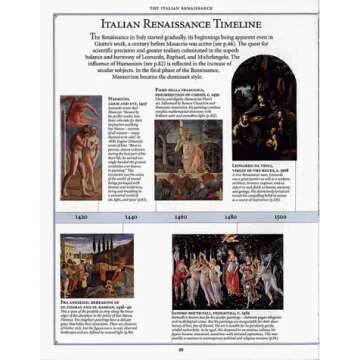
For instance, the Renaissance marked a significant change in how art was created and interpreted, emphasizing realism and human emotion. On the other hand, Impressionism focused on capturing fleeting moments and the effects of light. Understanding these movements allows not only for a deeper appreciation of the artwork but also provides a lens through which to view the shifting ideas and values of the periods in which they were created.
Art movements often gain their significance from a collective of artists who share similar styles or ideologies. By studying these groups, such as the Post-Impressionists or the Surrealists, enthusiasts can identify common themes and techniques that define the era. Recognizing these characteristics helps in discerning the unique contributions of individual artists as well as their interpersonal influences.
Key Artistic Periods to Explore
Art can be classified into significant periods, each marked by distinctive styles and ideologies. The Baroque period, for example, is known for its dramatic use of light and shadow, creating a sense of movement. In contrast, the Neoclassical period sought to revive the classical ideals of Greece and Rome, emphasizing order and harmony.
Another pivotal period, the Romantic era, highlighted emotion and the sublime in nature, while Modernism broke away from tradition, embracing abstraction and new approaches to representation. Understanding these artistic periods offers a broader perspective on how art evolves over time, reflecting the changes in society, technology, and thought.
Engaging with these periods isn't merely academic; it enriches one's experience when viewing art in galleries or museums. It fosters a connection with the artwork, inviting viewers to appreciate not just the visual aesthetics but also the context and meaning behind the art. To fully experience art, consider seeking out exhibitions or art history classes that focus on these distinct periods.
Popular Art Movements and Their Unique Features
Exploring specific art movements unveils the unique features that differentiate them, allowing collectors and art lovers to appreciate the various nuances. Among the most recognized movements are Impressionism, Cubism, and Abstract Expressionism. For example, Impressionist artists like Claude Monet and Pierre-Auguste Renoir captured light and color through quick brush strokes, inviting viewers into moments of everyday life.
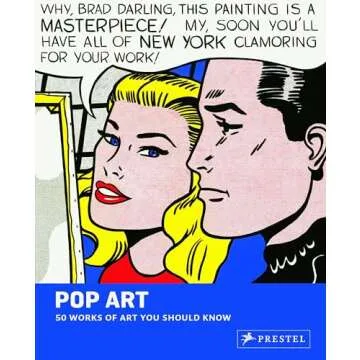
Meanwhile, Cubism, pioneered by artists such as Pablo Picasso and Georges Braque, revolutionized how forms and structures are perceived in art. This movement fragmented objects into geometric shapes, encouraging viewers to see multiple angles simultaneously. In contrast, Abstract Expressionism introduced artists like Jackson Pollock and Mark Rothko, focusing more on the expression of emotion rather than representational forms.
Studying these movements and their influential artists can enhance your understanding of modern art's evolution. It provides insight into how past movements inform contemporary practices while also presenting potential areas of personal exploration. Whether you are an aspiring artist or an avid collector, familiarizing yourself with these key periods can greatly enrich your artistic journey.
By choosing to support platforms like Giftpals.com, you can discover a curated selection of art books, prints, and educational materials that dive deeper into the fascinating world of art movements and periods. These resources not only inspire but also foster a wider appreciation of the arts, enabling individuals to engage meaningfully with visual culture.
In conclusion, embracing the study of art movements and periods offers valuable insights into the cultural narratives that shape our understanding of creativity. Whether for personal enrichment or as a gift to an art enthusiast, exploring this domain can cultivate a profound appreciation for the beauty and complexity of artistic expression.



 Continue with Google