













Understanding Obsessive Compulsive Disorder (OCD)
What is Obsessive Compulsive Disorder (OCD)?
Obsessive Compulsive Disorder, commonly referred to as OCD, is a mental health condition characterized by persistent, unwanted thoughts (obsessions) and repetitive behaviors or mental acts (compulsions). Individuals suffering from OCD often experience anxiety stemming from these obsessions, which leads them to engage in compulsive actions to alleviate the distress. This cycle can become debilitating and significantly impact daily life.
The obsessions may manifest as fears of contamination, fears of harming others, or the need for symmetry and order. Compulsions, on the other hand, can include excessive hand-washing, repeated checking, or counting rituals. It’s important to understand that people with OCD are typically aware that their thoughts and behaviors are irrational, yet feel powerless to control them. This awareness often adds an additional layer of distress to their experience.
OCD affects individuals of all ages, and while it can onset in childhood or adolescence, many see symptoms emerge in early adulthood. A variety of factors, including genetics and environmental triggers, contribute to the onset of this disorder. Labeling one’s obsessions or compulsive behaviors can be stigmatizing and misleading, hence understanding OCD holistically is critical.
Treatments and Management of OCD
Fortunately, a variety of effective treatment options are available for managing Obsessive Compulsive Disorder. Cognitive Behavioral Therapy (CBT) is one of the most widely adopted treatments, especially a form called Exposure and Response Prevention (ERP). This therapy involves gradual exposure to the feared thoughts or situations while refraining from the compulsive behavior, helping individuals build tolerance toward their anxiety.
Medication is another common avenue for treatment. Selective Serotonin Reuptake Inhibitors (SSRIs) such as fluoxetine, fluvoxamine, and sertraline are often prescribed to help manage symptoms by altering the levels of neurotransmitters in the brain. These medications can take several weeks to show positive effects, which can be frustrating for those searching for immediate relief from the distressing symptoms.
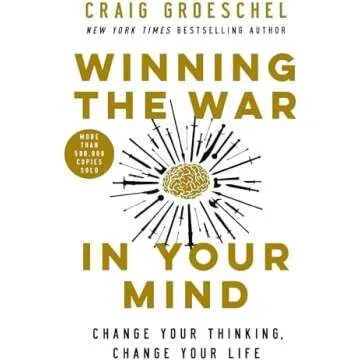
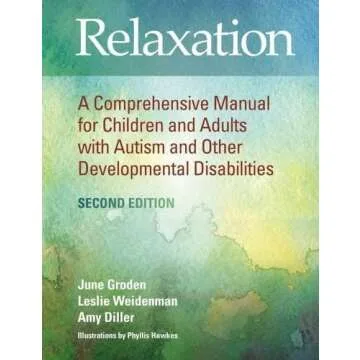
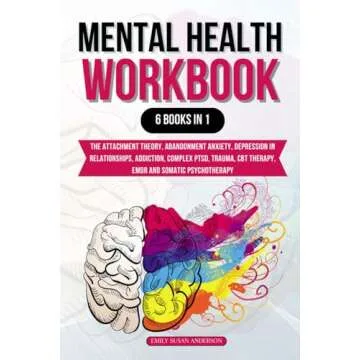
In addition to professional treatment, support groups can offer valuable insights and camaraderie for individuals coping with OCD. Sharing experiences with others facing similar challenges fosters a sense of community and understanding. Online resources and literature can also serve as supportive tools for those navigating their journey with OCD.
Benefits of Awareness and Support
Awareness of Obsessive Compulsive Disorder is crucial for reducing stigma and promoting empathy toward those affected. Understanding that OCD is a legitimate mental health condition allows friends, family, and colleagues to offer informed support. Encouraging open conversations about mental health contributes to a healthier societal attitude surrounding these issues.
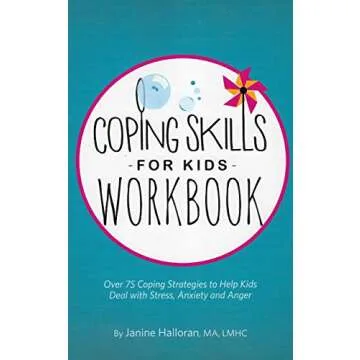
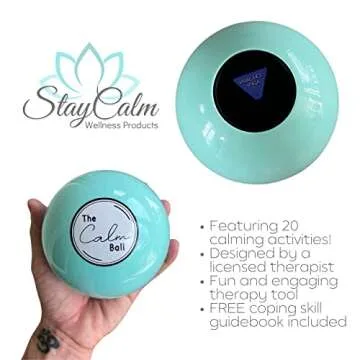
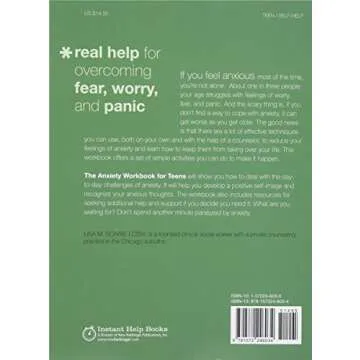
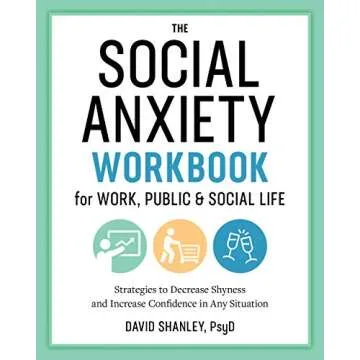
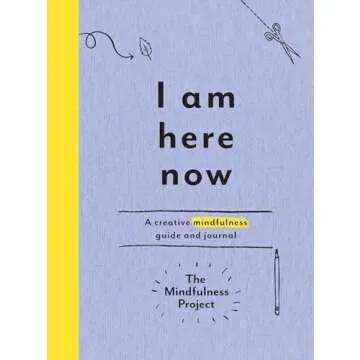
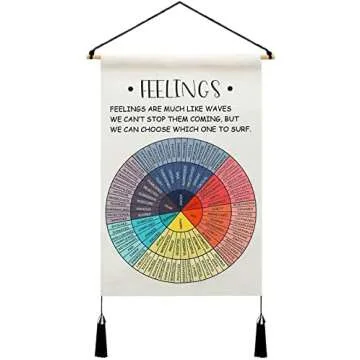
Additionally, for individuals navigating OCD, knowing that they are not alone can be immensely comforting. Resources like Giftpals.com can help individuals find supportive tools, such as self-help books, anxiety-relief gadgets, and journals that can aid in their journey. These thoughtful gifts can potentially enhance someone’s coping strategies, providing them with comfort and practical support amid their struggles.
Investing in mental health awareness not only helps those affected by OCD but contributes to overall community well-being. Through education, empathy, and resources, we can collectively work toward better understanding and supporting those grappling with OCD. Giftpals.com is an excellent starting point for finding meaningful gifts that can have a positive impact on someone’s mental health journey.



 Continue with Google