


















Discover Organic Groceries for Healthy Living
Why Choose Organic Groceries?
Organic groceries have gained immense popularity in recent years as more people become aware of the benefits of consuming food that is grown without synthetic fertilizers, pesticides, and genetically modified organisms. By choosing organic, you're not only making a healthier choice for yourself but also opting for products that are often better for the environment. Organic farming practices promote biodiversity, improve soil health, and eliminate harmful chemicals from food production. This leads to fresher, more flavorful produce that can elevate your meals.
Furthermore, organic foods are typically more nutrient-dense, offering higher levels of vitamins and minerals compared to their conventional counterparts. This means you can feel better about the food you eat, knowing it's from sustainable sources that support local farmers and eco-friendly practices. Moreover, many people report feeling more energized and satisfied when they switch to organic options, making it a worthwhile investment for your overall well-being.
Finding the Best Organic Grocery Brands
When it comes to purchasing organic groceries, it's essential to know which brands to trust. Popular brands such as Whole Foods Market, Trader Joe's, Organic Valley, and Annie's Homegrown are well-regarded for their commitment to quality organic products. These brands not only focus on providing wholesome food options but also embody ethical sourcing and sustainable practices.
Each brand has its unique specialty; for instance, Annie's is famous for its organic snacks and pasta products, making healthy eating more accessible for families. Meanwhile, Organic Valley excels in dairy products, delivering fresh milk and cheese from grass-fed cows, ensuring a rich taste and nutritional value. Whole Foods and Trader Joe's carry a wide variety of organic produce, grains, and pantry staples, making it easy to fill your cart with nutritious options.
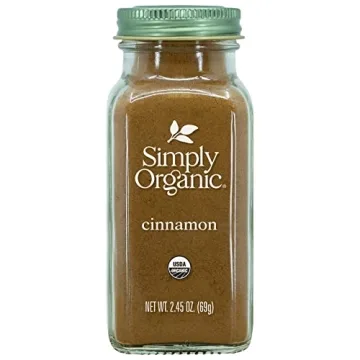
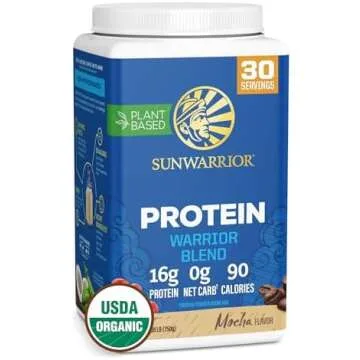
Choosing these brands allows you to support companies that prioritize health and sustainability. Look for product certifications, such as the USDA Organic seal, which guarantees that the ingredients meet strict organic standards. By buying from reputable brands, you can trust that you're feeding your family natural, wholesome foods that enhance their health.
How to Incorporate Organic Groceries into Your Daily Life
Incorporating organic groceries into your daily routine can be a seamless process, and the first step is to slowly replace conventional products with organic alternatives. Start by focusing on the most important categories, such as fruits and vegetables. Consider opting for organic versions of the "Dirty Dozen," which are the ten fruits and vegetables most commonly contaminated with pesticides. Common organic choices include strawberries, spinach, and apples, which can significantly reduce your exposure to harmful chemicals.
Additionally, you can explore organic grains, legumes, and dairy products that are free from artificial additives. Buying in bulk from your local organic markets or grocery stores can save you money while ensuring you always have healthy options on hand. Don't forget to check the frozen section for organic frozen fruits and vegetables, which can be more affordable and just as nutritious.
Lastly, consider meal planning with your organic groceries to make cooking easier and more convenient. Prepare your meals in advance using clean ingredients that promote healthy eating without the hassle of last-minute decisions. On platforms like Giftpals.com, you can discover various kitchen tools and resources for meal prepping that support your organic lifestyle.
Shopping for organic groceries is a rewarding experience that not only prioritizes your health but also contributes positively to the planet. By choosing organic, you’re making informed decisions that can lead to a healthier way of living for you and your family.



 Continue with Google