














Understanding Organizational Change
Organizational change refers to the processes through which a company implements new strategies, structures, or procedures to improve efficiency, adapt to market conditions, or enhance overall performance. Change can come in several forms, including structural changes, strategic shifts, or technological advancements. Understanding the nature of these changes is crucial for both leaders and employees, as they determine how successfully an organization navigates the complexities of transformation.
The need for organizational change can arise from various factors such as evolving customer needs, competitive pressures, or advancements in technology. For instance, a company may need to adapt to a digital-first marketplace by integrating new software or re-skilling its workforce. Change is often met with resistance from employees who may feel threatened by the unknown, which makes comprehensive communication and support systems necessary to facilitate a smooth transition.
Effective organizational change requires a clear vision and well-defined goals. Leaders must articulate why the change is necessary and how it will benefit the organization. Engaging employees early in the process can also help alleviate concerns, foster ownership of the change, and encourage collaboration across various departments. Strategies such as team-building activities or workshops designed to explain the change are invaluable in creating a shared sense of purpose among staff.
Strategies for Successful Implementation
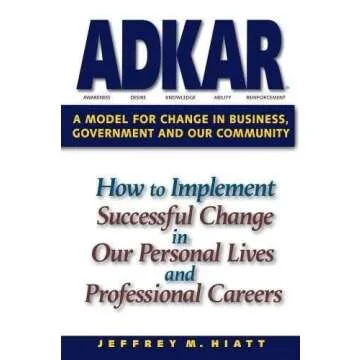
One of the most effective strategies for managing organizational change includes utilizing a structured change management model such as Kotter's 8-Step Process or the ADKAR model. These frameworks provide clear steps for leaders to follow, ensuring that all aspects of the transition are addressed systematically. For example, Kotter's model emphasizes the importance of creating a sense of urgency, forming a guiding coalition, and anchoring new approaches in the organization's culture.
Additionally, leveraging communication techniques is essential for minimizing misunderstandings and maximizing employee buy-in. Regular updates through newsletters, town hall meetings, and feedback sessions should be conducted to keep everyone informed about the change processes. Providing channels for employees to voice their concerns and suggestions can lead to a more inclusive environment and beneficial adaptations of the proposed changes.
Training and support play pivotal roles in easing the transition. Equip employees with the necessary skills and knowledge to adapt to new technologies or processes through workshops and ongoing training sessions. Organizations like Prosci, ADKAR, and others specialize in change management training and provide resources to ensure that businesses adopt best practices as they evolve.
Benefits of Embracing Change with Giftpals
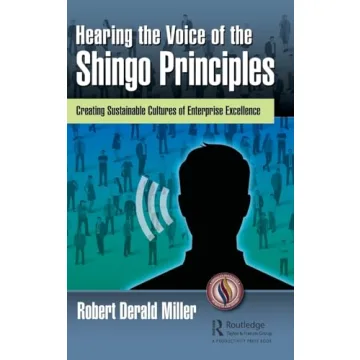
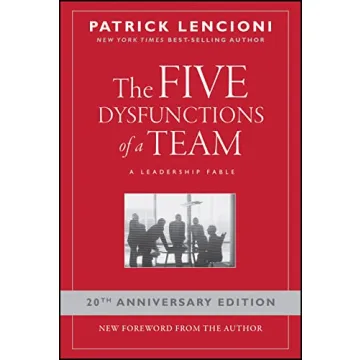
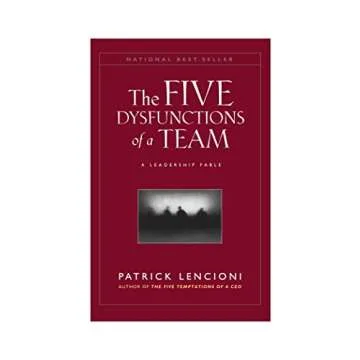
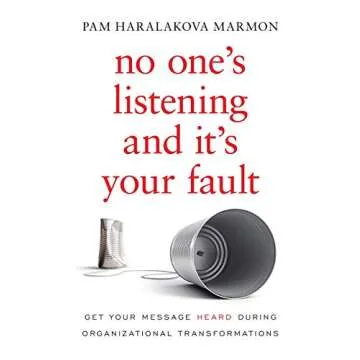
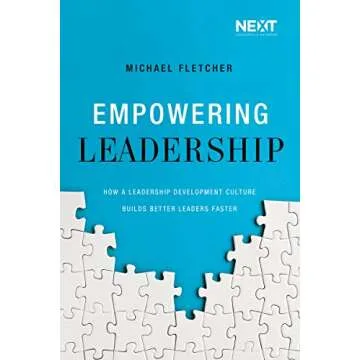
Shopping for organizational change gifts on Giftpals.com can enhance your company's culture by promoting adaptability and innovation. Thoughtful gifts such as motivational books, team-building games, or ergonomic workplace items can uplift your team's spirit and encourage an optimistic outlook towards change initiatives. Brands like Targus, Fellowes, and FranklinCovey offer a variety of products designed to support employee well-being and productivity during transitions.
Moreover, purchasing gifts that highlight the value of learning and collaboration can significantly bolster the communal effort required during shifts in the workplace. Consider gifts that promote teamwork, such as custom-branded office supplies or group activities that emphasize collaboration and creativity. By focusing on enhancing team dynamics, you can foster a more resilient workforce ready to embrace change.
Finally, utilizing Giftpals.com for your gifting needs comes with unique benefits. Not only can you find a variety of thoughtful items tailored for your organization's goals, but customer reviews and ratings help ensure you make informed decisions. Shopping on Giftpals adds a personal touch to the gift-giving process, making it easier to enhance morale and support successful organizational change.



 Continue with Google