















Essential Guide to Refrigerator Thermometers
Understanding the Importance of Refrigerator Thermometers
Refrigerator thermometers are essential tools for maintaining the ideal temperature in your fridge and ensuring food safety. Even minor fluctuations in temperature can lead to food spoilage or bacteria growth, which can pose health risks. These thermometers help by providing an accurate reading of the internal temperature, allowing you to monitor conditions effectively.
When you keep your refrigerator at or below 40°F (4°C), you're greatly reducing the risk of foodborne illnesses. Therefore, investing in a reliable refrigerator thermometer is not just a choice but a necessity for anyone focused on safe food storage. It’s crucial to choose a thermometer designed for the cold environment of a fridge, ensuring its readings are accurate and consistent.
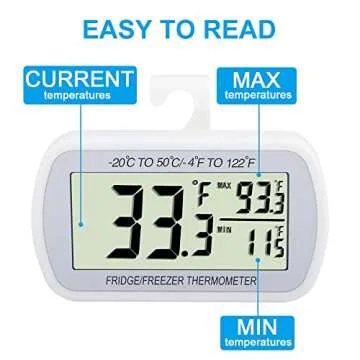
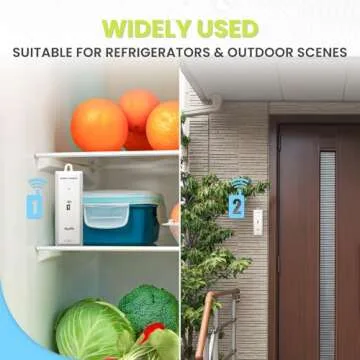
Additionally, refrigerator thermometers often come with easy-to-read displays, so you can quickly glance and see if your fridge is operating at the correct temperature. Many models are small enough to fit unobtrusively inside your refrigerator, and some even have features like high and low temperature alerts, which provide extra peace of mind.
Popular Brands and Features to Consider
When evaluating refrigerator thermometers, consider options from reputable brands known for their accuracy and reliability. Popular brands like Taylor, OXO, and AcuRite offer a range of thermometers designed specifically for use in refrigerators and freezers. Taylor, for instance, is known for its durable, stainless-steel models that feature large, easy-to-read dial displays. OXO thermometers often include magnets for easy attachment to the fridge wall, providing convenience without taking up shelf space.
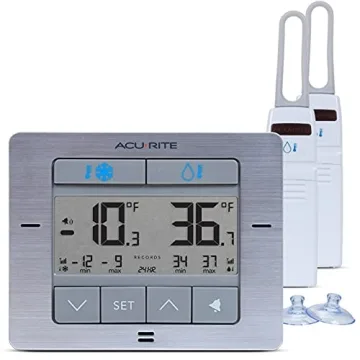
AcuRite offers digital models, which may provide enhanced accuracy and sometimes include a history of temperature ranges that can be beneficial in tracking the refrigerator’s performance over time. When choosing a thermometer, think about the specific features that will make it easier for you to monitor temperatures, such as a clear display, battery-powered convenience for digital models, or versatile hanging options.
Consider also whether you prefer an analog or digital thermometer. Analog models usually have a straightforward dial readout, while digital models may come with additional features such as alerts or historic data tracking. Ensure the thermometer can withstand the cold environment of the fridge and has a design suited to your needs.
Choosing the Right Thermometer for Your Needs
Choosing the right refrigerator thermometer can sound overwhelming, but it can be simplified by considering your needs. If you have a large family or store many perishable items, a digital thermometer with an alert function might be the best choice, as it will notify you if the temperature exceeds a certain threshold.
For smaller households or less frequent use, a basic analog thermometer may suffice. They require no batteries and can simply be placed inside your fridge for an accurate reading. Whichever type you choose, remember to test the thermometer regularly to ensure it remains accurate and replace it if you notice inconsistencies in its readings.
Another important aspect is placement. Ideally, place the thermometer in the warmest part of your refrigerator, which is often located in the door. However, for the most accurate readings, store it toward the back of the fridge where the temperatures are typically more stable.
Lastly, compare prices and reviews on Giftpals.com, where you can find a variety of options. The site is designed to help you make informed decisions and find the right products suited to your needs, making the shopping experience both enjoyable and straightforward.
By investing in a good refrigerator thermometer, you’re not just protecting your food but also ensuring the health and safety of yourself and your loved ones. A small investment can lead to long-term benefits, keeping your food safe and your refrigerator running efficiently.



 Continue with Google