







Quality Sanding Sheets for Perfect Finishing
Understanding Sanding Sheets
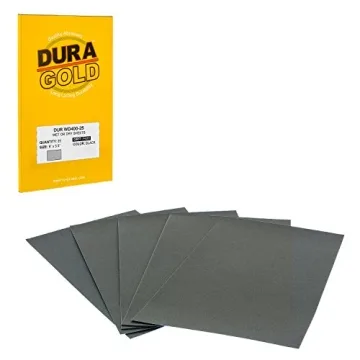
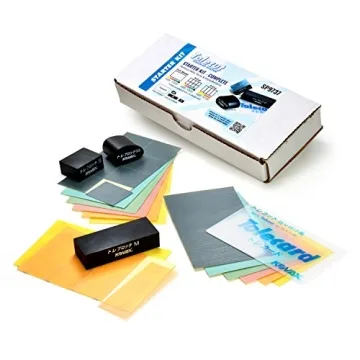
Sanding sheets are essential tools in woodworking, automotive, and DIY projects for achieving smooth surfaces and perfect finishes. They come in various materials and grits, each designed for specific tasks. The most common materials used for sanding sheets are aluminum oxide, garnet, and silicon carbide. Aluminum oxide is durable and versatile, making it perfect for rough sanding. Garnet, on the other hand, offers a finer finish for more delicate work. Silicon carbide is ideal for wet sanding as it remains sharp when wet, allowing for smooth and even finishes.
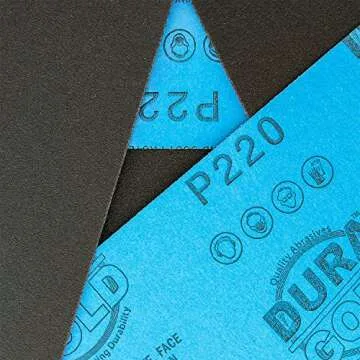
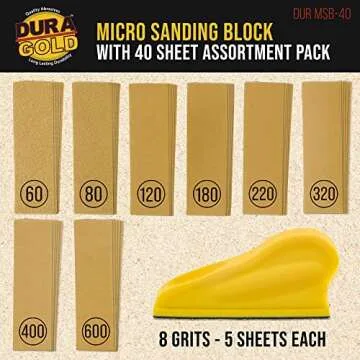
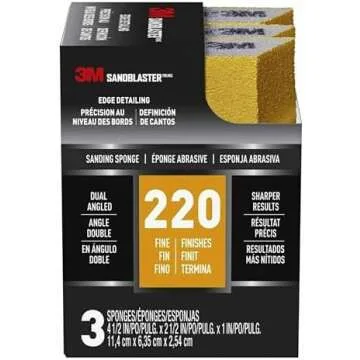
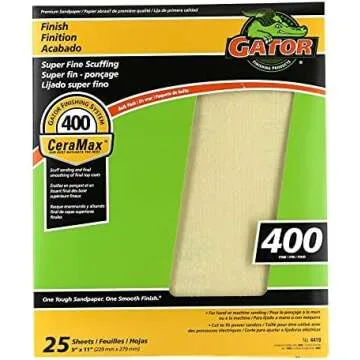
When selecting sanding sheets, understanding grit size is crucial. Grit is measured by the number of abrasive particles per square inch; lower numbers (around 40-80 grits) are coarse, suitable for removing material quickly, while higher numbers (220-400 grits) are fine and used for finishing touches. Always begin with a coarser grit to shape the material and progress to finer grits for a polished finish.
Popular Brands and Unique Features
There are numerous brands that excel in providing high-quality sanding sheets, among them Norton, 3M, and Mirka. Norton offers a range of sheets that are durable and long-lasting, perfect for heavy-duty tasks. 3M sandpaper sheets feature their patented abrasive technology, ensuring superior performance and longer life. Mirka stands out for their innovative dust-free sanding sheets, reducing clean-up time and environmental impact significantly.
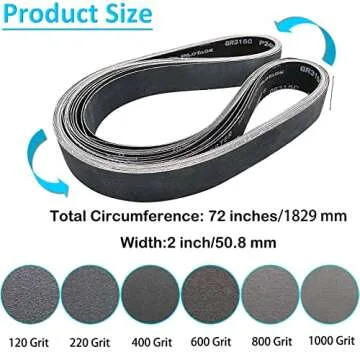
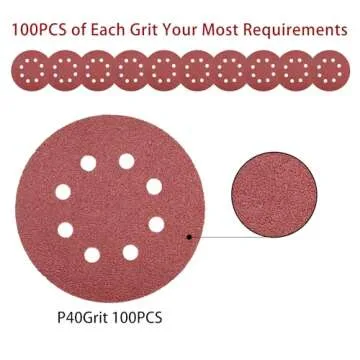
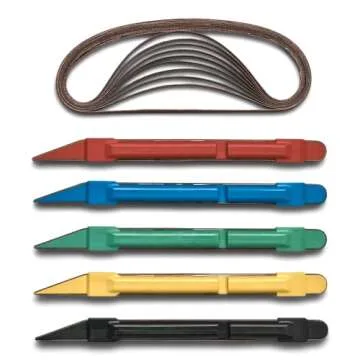
Each of these brands brings unique features to the table, such as flexibility, heat resistance, and the ability to perform well on uneven surfaces. This means that no matter the project at hand, you can find a sanding sheet that fits your exact needs, providing both efficiency and effectiveness. Additionally, many sanding sheets are designed to fit belt sanders or orbital sanders, allowing for ease of use, even in larger projects.
Choosing the Right Sanding Sheets
Choosing the right sanding sheets can save you time and effort in any project. First, consider the material you are working on—wood, metal, or plastic—as each requires a different type of sanding sheet. Next, assess the condition of the surface. For heavily damaged surfaces, begin with a coarser grit to remove imperfections. For finishing, use finer grit sheets to smooth out and refine the surface.
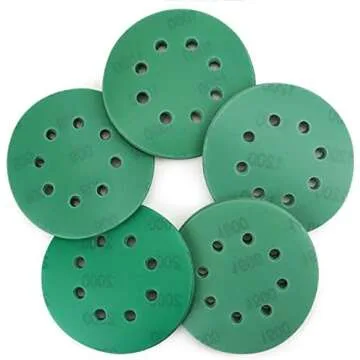
Also, think about your sanding method. Hand sanding is suitable for small areas, but power sanders can speed up the process considerably for larger surfaces. Ensure you have compatible sanding sheets for your tools, whether they use a hook and loop system or traditional adhesive backing. Lastly, don’t overlook safety; using dust masks and protective eyewear will help avoid health hazards from dust and debris.
Giftpals.com offers an excellent range of sanding sheets tailored for both amateur and professional use. With a user-friendly website and detailed product descriptions, you can easily find and select the perfect sanding sheets for your project, ensuring you achieve the quality finish you desire without hassle.



 Continue with Google