






Essential Guide to Choosing Welding Wire
Understanding the Types of Welding Wire
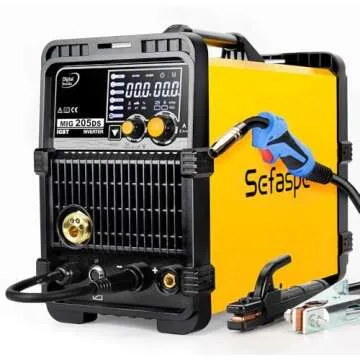
Welding wire is a critical component in the welding process, affecting the strength, durability, and quality of the final product. There are primarily two types of welding wire: solid wire and flux-cored wire. Solid wire is used in MIG welding and is excellent for achieving high-quality welds with minimal spatter. It requires an external shielding gas to protect the weld from contamination. On the other hand, flux-cored wire is designed for applications where portability is critical, as it can be used without shielding gas. It contains a flux core that produces its own shielding gas during the welding process, making it suitable for outdoor or windy conditions. Understanding these differences can help you choose the right welding wire for your specific needs.
Popular Welding Wire Brands and Their Features
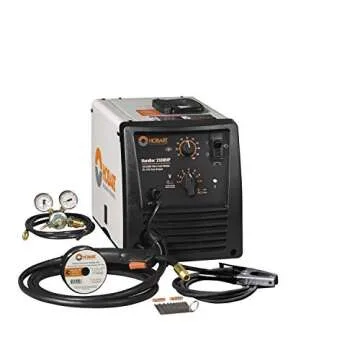
Several brands stand out in the welding wire market, each offering unique features and benefits. Some of the top brands include Lincoln Electric, Hobart, and ESAB. Lincoln Electric is renowned for its high-quality flux-cored wires, providing reliable performance that is preferred by both professionals and hobbyists alike. Hobart, on the other hand, is known for its affordable yet effective options, making it a great choice for beginners. ESAB's welding wire products are praised for their consistency and ease of use, especially in challenging applications. Choosing a brand that aligns with your welding requirements not only simplifies your selection process but also guarantees you reliable performance and the best possible results in your welding projects.
Factors to Consider When Choosing Welding Wire
When selecting welding wire, it’s essential to consider several factors to ensure you achieve the best results. Firstly, consider the material you are welding; different metals require different types of welding wire. For instance, stainless steel typically uses specific stainless wire, while mild steel often employs ER70S-6 wire, known for its versatility. Additionally, the thickness of the base metal should influence your wire choice; using a thicker wire for heavier materials can help ensure a strong weld. The welding process you plan to use is also crucial; whether you are using MIG, TIG or stick welding will dictate the wire type you need. Moreover, consider the spool size; larger spools can be more cost-effective for frequent welders. Understanding these factors will make your selection process smooth and effective, ultimately enhancing your welding experience.
In conclusion, Giftpals.com offers a user-friendly platform for purchasing high-quality welding wire. Not only can you browse a wide selection of brands and types tailored to your specific needs, but you can also benefit from tailored recommendations and expert reviews. With the right guidance and products, you can elevate your welding projects to a professional level while enjoying a seamless shopping experience. Happy welding!



 Continue with Google