


The Breaking Point: Soviet-Polish Relations
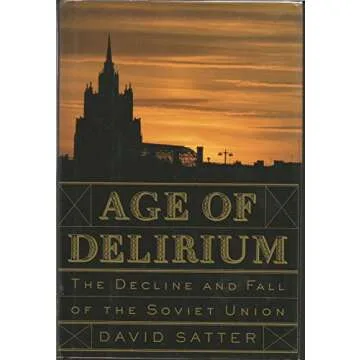
On April 25, 1943, the Soviet Union made a significant decision to sever ties with the Polish government-in-exile, which was based in London. This event marked a crucial turning point in the relationship between the two nations, rooted in the complexities of World War II politics and the geopolitical landscape of Eastern Europe.
The Context of the Split
The relationship between the Soviet Union and Poland during World War II was fraught with tension. Initially, the USSR had invaded Poland in 1939, leading to the partition of the country and contributing to the rise of different Polish governmental structures. The Polish government-in-exile, representing a Poland that suffered under both German and Soviet occupation, was adamant about maintaining national sovereignty and condemning Soviet actions.
The Katyn Massacre and Its Impact
The immediate cause of the severance was the discovery of the Katyn Forest Massacre in 1943, where thousands of Polish officers were executed by the Soviet regime. When the Polish government-in-exile demanded accountability, the Soviets responded with indignation, leading to a profound diplomatic rift. This massacre not only intensified anti-Soviet sentiments among Poles but also solidified the view that the Soviets could not be trusted in post-war Poland.
The Aftermath of the Break
The break in relations had lasting implications for Poland and its post-war fate. With the dissolution of diplomatic ties, the Polish government-in-exile found itself increasingly isolated as the Allied Powers began to shift their focus towards accommodating Soviet interests in Eastern Europe.
Impact on Polish Independence
The lack of support from the Soviet Union ultimately weakened the Polish position. It led to a struggle for independence that would span decades, particularly as the USSR established a puppet government in Poland after the war, further diminishing hopes for a free and sovereign state.
The Legacy of Diplomatic Relations
The severance of diplomatic relations in 1943 marked the beginning of a long period of distrust and conflict. Polish nationalism and the desire for independence would grow in the shadow of Soviet dominance, shaping Poland's political landscape for decades to come.
Fun Fact
The Role of the London Polish Government
The Polish government-in-exile continued to operate from London until 1990, even after the fall of communism in Poland, showcasing the resilience and ongoing aspiration for Polish sovereignty.
Additional Resources
Recommended Reading on the Polish Government-in-Exile
For those interested in a deeper exploration of this pivotal period, consider reading "Poland's Last Hope: The Polish Government-in-Exile 1940-1990" by Melanie McBride, which provides an in-depth examination of the challenges faced by Polish leaders during their years in exile.







 Continue with Google