


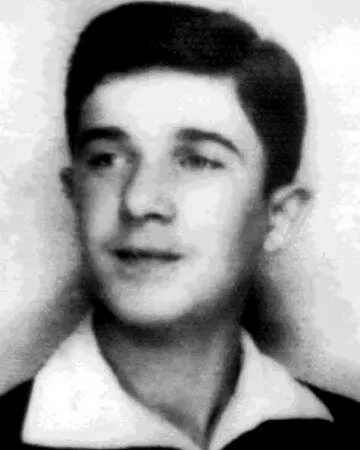
The Spark of Resistance: Understanding the Warsaw Ghetto Uprising
The 1st Warsaw Ghetto Uprising began on April 19, 1943, marking a courageous yet tragic moment in history. It was a significant act of resistance against the Nazi regime, launched by the Jewish community confined within the walls of the Warsaw Ghetto. Faced with the impending deportation to concentration camps, the inhabitants chose to fight instead of surrendering to annihilation. This desperate act of bravery was not only a fight for survival but also a statement against the injustices they faced.
Background of the Uprising
The resistance stemmed from dire circumstances in which the Jewish population was systematically oppressed and exterminated. By 1942, the Nazi regime had already sent hundreds of thousands of Jews from Warsaw to their deaths. The Warsaw Ghetto, established in 1940, became a symbol of the suffering faced by the Jewish people during the Holocaust. When news circulated that the remainder of the ghetto residents were to be deported to Treblinka extermination camp, a group of young Jewish fighters decided enough was enough.
The Formation of Resistance Groups
Several resistance groups formed within the ghetto, the most notable being the Jewish Combat Organization (ZOB) and the Jewish Military Union (ŻZW). These groups were composed mainly of young men and women who had received military training and were determined to resist Nazi oppression. They stockpiled weapons and prepared for a confrontation, understanding that their chances of survival hinged on their ability to fight back.
The Uprising: A Day of Defiance
On April 19, 1943, the ghetto residents launched their rebellion against the German forces. Armed with a mix of small arms and homemade weapons, they confronted an overwhelming military force equipped with tanks and machine guns. Despite being vastly outnumbered, the fighters of the Warsaw Ghetto showed incredible valor and determination, defending their homes and families.
Actions of the Fighters
During the uprising, the insurgents used tactics of guerrilla warfare, utilizing the narrow streets and buildings of the ghetto to their advantage. They executed surprise attacks, set fires, and ambushed German troops, causing significant casualties among the Nazis. However, the German response was brutal; they razed the ghetto while systematically hunting down resistance fighters and ordinary residents alike.
The Outcome of the Uprising
The uprising lasted for nearly a month but was ultimately crushed by May 16, 1943. The heroic actions of the ghetto fighters resulted in the deaths of thousands of Jews, both fighters and civilians. The uprising became a powerful symbol of resistance, highlighting the human spirit's struggle against oppression even in the darkest of times.
Fun Fact
The Legacy of the Uprising
The Warsaw Ghetto Uprising is remembered every year on Yom HaShoah, or Holocaust Remembrance Day, as a testament to the courage displayed by the Jewish community. Today, it stands as a vital part of Jewish history, representing a fight for dignity and identity amidst unimaginable adversity.
Additional Resources
Recommended Reading on the Warsaw Ghetto Uprising
For those seeking to delve deeper into this critical moment in history, consider reading "The Warsaw Ghetto Uprising" by Leonard R. Sanders or "Resistance: The Warsaw Ghetto Uprising" by Julius Margolin. These works provide in-depth insights into the events and the people involved in this significant act of resistance.









 Continue with Google