


Historic Transition: The Gregorian Calendar Adoption
The Gregorian Calendar in Context
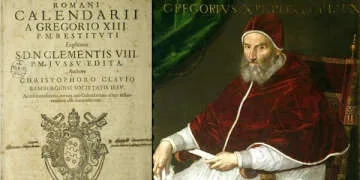
In the year 1700, a significant decision was made in several Dutch cities, including Utrecht, Overijssel, Buren, Leerdam, and Ijsselstein, to adopt the Gregorian calendar. This moment marked a crucial shift from the previously utilized Julian calendar, which had been in use since Roman times. The Gregorian calendar, introduced by Pope Gregory XIII in 1582, sought to correct the inaccuracies of the Julian calendar, which had drifted significantly with respect to the solar year.
Reasons Behind the Change
The primary motivation for adopting the Gregorian calendar was to realign the calendar with the seasons. The Julian calendar miscalculated the solar year by approximately 11 minutes, leading to an accumulating discrepancy, which affected agricultural and religious seasons. The Netherlands, having a strong agricultural base, recognized the importance of having a calendar that aligned with seasonal changes.
The Impact of the Adoption of the Gregorian Calendar
Cultural and Religious Changes
One of the key changes brought about by the adoption of the Gregorian calendar in Utrecht and surrounding cities was a shift in cultural practices. The reform was not merely a bureaucratic change; it influenced religious observances, public holidays, and general societal norms regarding timekeeping. This was especially significant for the Reformed Churches that sought to maintain harmony with the practices observed in other Protestant regions of Europe.
Resistance and Acceptance
While some segments of society embraced the Gregorian calendar, there was also resistance, particularly from those who felt loyal to the traditional Julian calendar. The transition period was marked by efforts to educate the public and administrators on the advantages of the new system and the necessity of synchrony with the rest of Europe. Ultimately, public acceptance grew over time, leading to a standardized method for timekeeping.
Fun Fact
The Dutch Reaction to the Gregorian Reform
Interestingly, when the Gregorian calendar was introduced in 1582, not all countries adopted it immediately. Even after the changes took place in 1700 in the Dutch cities, some regions continued to use the Julian calendar for many years afterward, showcasing the diverse attitudes towards calendar reform across Europe.
Additional Resources
Recommended Reading on the Gregorian Calendar
For those interested in delving deeper into the history of the Gregorian calendar and its implications, consider reading The Decline of the Julian Calendar and Calendar: Humanity's Epic Struggle to Determine a True and Accurate Year.













 Continue with Google