


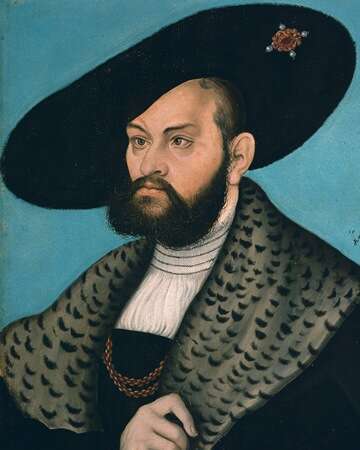
Introduction to Albert's Oath
In 1525, a significant moment unfolded in European history when Albert of Prussia pledged an oath of allegiance to Sigismund I the Old. This event not only marked the personal commitment of Albert but also played a crucial role in the evolving landscape of dukedoms and political affiliations during the early modern period.
Albert of Prussia: Background and Rise to Power
Born in 1490, Albert of Prussia was the last Grand Master of the Teutonic Knights, who had grown increasingly powerful through land and influence. Following the defeat of the Teutonic Knights in the Battle of Tannenberg in 1410, their power diminished, leading to Albert's unique position as both a noble and a leader of a military order. He capitalized on this situation and restructured the Order into a duchy, preparing for a personal oath to the Polish king.
The Significance of the Oath
The oath Albert took on April 10, 1525, is of utmost importance because it represented the formal transition of the Teutonic state into a hereditary duchy, signifying a shift from a medieval military order to a more modern state structure. By pledging allegiance to Sigismund I, he also ensured a continued rule within the framework of the Crown of Poland and established a strong network of loyalty.
A New Era: The Duchy of Prussia
Upon making his pledge, Albert of Prussia was officially invested with the duchy, which was granted to him not just for his lifetime but for his heirs as well. This arrangement solidified the political relationship between Prussia and Poland, laying the groundwork for future interactions and governance.
The Political Landscape Post-Oath
The pledge made by Albert ushered a new era of governance wherein the Duchy of Prussia would function under Polish suzerainty. This created a unique dualism of power, where the duke wielded significant local authority while remaining a vassal of the Polish crown.
Challenges Ahead for the Duchy
The challenges that arose post-oath were numerous, from internal conflicts regarding the nobility to external pressures from neighboring states. Yet, Albert's leadership helped guide the duchy through these turbulent waters, paving the way for his descendants to govern as sovereign leaders under a new banner.
Fun Fact
Albert's Dual Nature
Albert of Prussia was not only a ruler but also an influential reformer. He is noted for his support of the Reformation, which transformed the religious landscape of his duchy as he transitioned from the Catholic beliefs of the Knights to Protestantism.
Additional Resources
Recommended Reading on Albert of Prussia
To gain further insight into the life of Albert and the implications of his oath, one can explore materials such as "A History of Prussia" by James S. Pritchard, and "The Teutonic Knights: A Military History" by John M. McFarland. These texts provide deeper explorations into the historical backdrop and consequences of the events surrounding Albert's reign.











 Continue with Google