


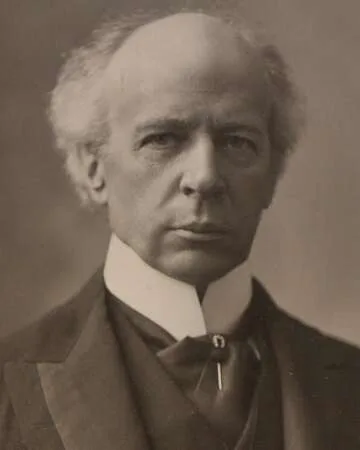
Alberta and Saskatchewan Become Provinces
In 1905, a pivotal moment in Canadian history occurred as Alberta and Saskatchewan were officially admitted to the Confederation, marking them as the 8th and 9th provinces of Canada. Under the leadership of Prime Minister Wilfrid Laurier, this significant event expanded the geographical and demographic landscape of the nation.
Wilfrid Laurier's Vision for Canada
Prime Minister Wilfrid Laurier, who served from 1896 to 1911, had a profound vision for a united Canada. He believed that the expansion of the Confederation was essential for ensuring economic growth and stability. Laurier's government worked tirelessly to integrate the vast territories into the federation, focusing on the potential of the prairies to contribute to Canada's agricultural and economic prosperity.
The Journey to Becoming Provinces
Prior to joining Confederation, Alberta and Saskatchewan were part of the Northwest Territories. The distinct cultural and economic needs of the settlers prompted calls for separate provincial status. Residents sought greater local governance and services that could be better managed at the provincial level. The 1905 agreement allowed for the establishment of two separate provinces, each with its own government.
The Impact of Provincial Status
The admission of Alberta and Saskatchewan into Confederation not only altered the political landscape but also had lasting implications for the social and economic development of Canada. With the establishment of their own provincial governments, both provinces could tailor policies to meet local needs, which included addressing issues in agriculture, healthcare, and education.
Economic Growth in Alberta and Saskatchewan
Both provinces rapidly became known for their agricultural output, particularly in wheat farming. Following their admission, significant investments in infrastructure and education helped transform the region into a powerhouse of agricultural production that contributed significantly to Canada's economy.
Cultural Integration and Diversity
Joining Confederation allowed Alberta and Saskatchewan to flourish as cultural melting pots. The influx of immigrants from various countries brought diverse cultural influences, which enriched the social fabric of both provinces. Today, they are known for their vibrant multicultural communities that reflect this historical integration.
Fun Fact
Alberta and Saskatchewan’s Interesting Fact
Interestingly, the names of the provinces reflect significant geographical features. Alberta was named after Princess Louisa Alberta, daughter of Queen Victoria, while Saskatchewan is derived from the Cree word "kisiskāciwani-sīpiy" meaning "swift flowing river."
Additional Resources
Recommended Reading on Alberta and Saskatchewan
For those interested in learning more about the history of Alberta and Saskatchewan, consider reading “Alberta: A History” by James H. Gray and “Saskatchewan: A History” by G. A. Rawlyk to explore the rich tapestry of their development and culture.












 Continue with Google