


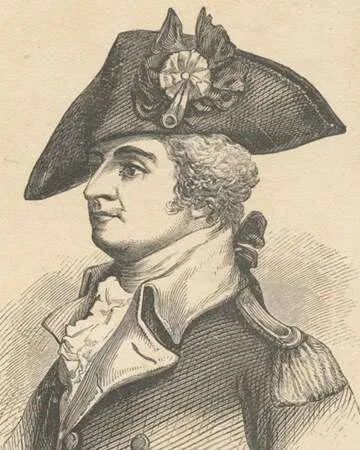
The Unfolding of the Battle of Paoli
On the night of September 20, 1777, the Battle of Paoli erupted as British forces led by Major General Charles Grey launched a surprise attack against the encampment of Brigadier General Anthony Wayne's Continental Army troops. Located in Montgomery County, Pennsylvania, the engagement became infamous not only for its military implications but also for the brutality that would ensue. The surprise nature of the attack caught the American soldiers off-guard, leading to disastrous consequences.
As the British soldiers advanced silently under the cover of darkness, Wayne's troops were blissfully unaware of the impending threat. The engagement is often referred to as a massacre due to the bloody aftermath, where it was claimed that the British gave no quarter and mercilessly slaughtered American soldiers attempting to flee. This characterization would haunt British forces in the narratives of the Revolutionary War.
Major General Charles Grey’s Strategic Moves
Major General Charles Grey, a seasoned British officer, was not known for any semblance of mercy on the battlefield. His plan at Paoli was to intimidate and overwhelm the American forces swiftly. Grey led approximately 5,000 soldiers, and under the cover of night, they used their superior training and tactics to catch Wayne's men off-guard. The shock of the initial attack was compounded by the confusion that arose among the American troops, amplifying the effectiveness of Grey's surprise strategy.
Brigadier General Anthony Wayne’s Response
Brigadier General Anthony Wayne, famously known as "Mad Anthony", was known for his tenacity and courage. Although caught by surprise, some of Wayne's men managed to regroup and fight back fiercely, showcasing their resilience. However, the circumstances around the attack meant that despite his leadership abilities, Wayne faced an uphill battle. His forces of around 1,500 men were quickly overrun, and as chaos reigned, many soldiers attempted to flee but fell victim to the ruthless engagements that had been set into motion.
The Aftermath and Its Legacy
The immediate aftermath of the Battle of Paoli left around 300 American soldiers dead, wounded, or missing. It served as a grim reminder of the perilous nature of war and the stakes of the ongoing American Revolution. The claim that British forces gave no quarter became part of the revolutionary lore, solidifying the battle’s nickname, the "Paoli Massacre." Amidst the carnage, Wayne's reputation would only elevate, establishing him as a fierce leader for the Continental Army.
The Paoli Massacre in American Memory
What transpired at Paoli quickly became a rallying cry for American forces. The memory of the massacre fueled anti-British sentiment and was utilized as propaganda to inspire soldiers and civilians alike to join the revolutionary cause. The legacy of Paoli highlighted not just the tactical missteps of the American side but also shaped the perception of British military practices during the war.
Historical Significance of the Battle
Today, the Battle of Paoli is recognized not only as a key military engagement but also as a symbol of sacrifice and determination in the fight for independence. Its historical significance continues to be commemorated, reminding us of the sacrifices made by soldiers on both sides during this tumultuous period of American history.
Fun Fact
The Paoli Massacre’s Place in History
The Battle of Paoli is often overshadowed by larger battles of the Revolutionary War, yet it left an indelible mark on American consciousness, memorialized by a stone monument that stands at the site of the original encampment.
Additional Resources
Recommended Reading on the Battle of Paoli
For those interested in diving deeper into the events of the Battle of Paoli and the American Revolutionary War, consider reading “The Revolutionary War: A History” by Edward Countryman and “The American Revolution: A History” by Gordon S. Wood.



![The Green Berets [Blu-ray] - A John Wayne Classic Film](https://assets.giftpals.com/assets/uc/Gift/Mu8vHG1TSstA/1/thumbnail_default_1.webp?dMWGtlfh33xv)



 Continue with Google