


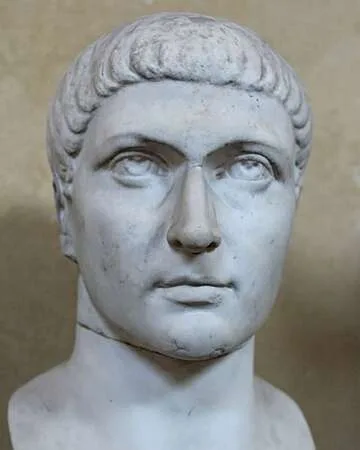
Celebrating the Birth of a Roman Legend
Born in 272 AD in Naissus (modern-day Niš, Serbia), Constantine the Great would grow to be one of the most significant figures in world history. He reigned as the Emperor of Rome from 306 to 337 AD, during which he profoundly influenced the course of Western civilization.
Constantine is perhaps best known for his bold adoption of Christianity, making him the first Roman emperor to embrace the faith. This monumental decision not only transformed his personal life but also reshaped the religious landscape of the empire and set the foundation for the future prominence of Christianity.
Constantine's Early Life and Rise to Power
During his youth in Naissus, Constantine was influenced by both Roman culture and military tradition. His early military service showcased his leadership and strategic abilities, which paved the way for his rise in the ranks. His ascent culminated when he was proclaimed emperor by his troops in 306 AD, marking the beginning of a new era in Roman governance.
Christianity and the Edict of Milan
Constantine’s adoption of Christianity was a significant shift in Roman policy. In 313 AD, he issued the Edict of Milan, which granted religious tolerance to Christians and restored their confiscated property. This pivotal action not only solidified his position among Christian believers but also laid the groundwork for Christianity to become the dominant religion of the Roman Empire.
The Legacy of Constantine the Great
Constantine's legacy extends far beyond his lifetime; he is remembered as a unifier of the empire and a promoter of Christian values. His establishment of Constantinople (modern-day Istanbul) as a new capital signified the beginning of a new phase in Rome’s history, blending Roman and Eastern influences.
The Impact of Constantine on the Church
By convening the First Council of Nicaea in 325 AD, Constantine played a crucial role in addressing disputes within the early church, which helped to define key doctrines that would shape Christianity in the centuries to come. His support for the church also ensured the construction of many churches across the empire, further establishing Christianity’s presence.
Constantine’s Political and Cultural Influence
Beyond religion, Constantine’s reign was marked by extensive political and military reforms. His efforts to stabilize the empire and streamline governance helped to secure Rome’s territory against external threats, which contributed to the longevity of the structure he established.
Fun Fact
Interesting Fact about Constantine the Great
Despite his strong Christian beliefs, Constantine was baptized only on his deathbed, highlighting the complexities of his reign and the interplay between personal faith and political responsibility.
Additional Resources
Recommended Reading on Constantine the Great
For those interested in diving deeper into the life of Constantine, a great starting point is the book "Constantine the Emperor" by David Horsley. This book provides a comprehensive overview of his life and achievements, perfect for anyone wanting to learn more about this pivotal historical figure.





 Continue with Google