


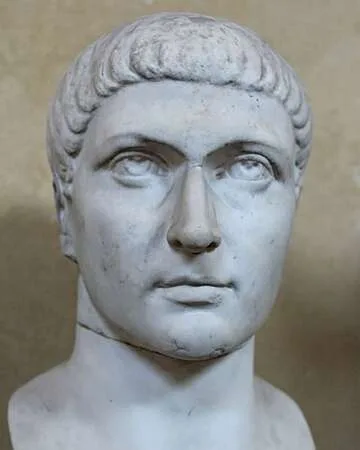
The Decisive Battle of Chrysopolis
The Battle of Chrysopolis, fought in 324 AD, was a monumental conflict that marked the end of the civil war between the Emperors Constantine the Great and Licinius. This battle took place at the strategic location of Chrysopolis, on the Bosphorus, which today is part of modern-day Turkey. Constantine’s forces, motivated by a desire to reunify the Roman Empire and strengthen its governance, faced Licinius’s men amid a backdrop of escalating tensions and conflicting ambitions.
Constantine the Great’s Leadership
Leading his troops with remarkable tactical skill, Constantine demonstrated his military prowess throughout the battle. He adopted an aggressive approach, launching an unexpected attack against Licinius’s forces after they had grown complacent. By using the element of surprise and leveraging advantages in both supply and troop morale, Constantine managed to decisively defeat his rival, securing his position as the sole ruler of the Roman Empire.
Licinius’s Downfall
Licinius, who had once shared power with Constantine, found himself outmatched during this critical encounter. His forces were unable to withstand the onslaught initiated by Constantine, leading to significant casualties and ultimately his retreat. This defeat at Chrysopolis effectively sealed Licinius's fate, as he was later captured and executed. The end of his reign ushered in a new era of peace and stability under Constantine’s singular rule.
The Aftermath of the Battle
The aftermath of the Battle of Chrysopolis was transformative for the Roman Empire and for Christianity. With Licinius defeated, Constantine continued his agenda of reforming the empire and promoting the Christian faith, a religious shift that would shape the future of Europe.
Consequences for the Roman Empire
The victory at Chrysopolis allowed Constantine to consolidate his power and enact significant reforms that would impact governance and social structures across the empire. This included the establishment of Constantinople as a new imperial capital, which became a center for trade and culture, symbolizing his vision for a united empire.
Religious and Cultural Impact
More importantly, with the defeat of Licinius, who was known for his persecution of Christians, Constantine was instrumental in paving the way for Christianity to flourish within the Roman Empire. His Edict of Milan in 313 AD had already begun to change the legal status of Christianity, but the outcome of Chrysopolis reinforced his commitment. This battle, therefore, not only signified a political victory but also was pivotal in the spread of Christianity as a dominant religion in Europe.
Fun Fact
Constantine the Great’s Vision for a Unified Empire
Constantine had a vision of a unified Roman Empire where governance was not only based on military strength but also on the principles of morality and Christianity, a radical shift from previous rulers who prioritized pagan traditions.
Additional Resources
Recommended Reading on Constantine the Great
For those interested in learning more about Constantine the Great and the Battle of Chrysopolis, consider reading The Life of Constantine by Eusebius and Constantine: Roman Emperor, Christian Victor by David Potter. These works explore the complexities of his reign and the implications of his victories.









 Continue with Google