


The Early Life of Sergei Rachmaninoff
Born on April 1, 1873, in either Oneg or Semyonovo, located in the Russian Empire, Sergei Rachmaninoff quickly showed prodigious talent in music. He had a rigorous training from a young age, starting piano lessons at just four years old. His family background, which included significant musical influences, helped nurture his ability leading him to the esteemed Moscow Conservatory.
Sergei Rachmaninoff's Musical Roots
Growing up in a cultured household allowed Rachmaninoff to be enveloped in music and literature. His maternal grandfather, a prominent musician, exposed him to major works of piano and orchestral repertoire, further igniting his passion. He composed his first piano pieces before he was even a teenager, establishing a foundation for his future as a notable piano virtuoso, conductor, and composer.
The Impacts of His Early Education
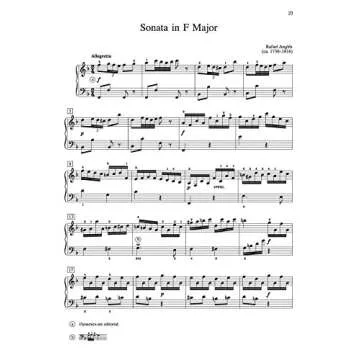
Rachmaninoff's time at the Moscow Conservatory was critical for his development. He studied under renowned teachers, including Anton Arensky and Sergei Taneyev, who recognized and honed his skills in composition and performance. He graduated in 1892 and began his career as a composer almost immediately with orchestral works that showcased his unique style.
The Legacy of Sergei Rachmaninoff
Despite facing various upheavals in his life, including the Russian Revolution, Rachmaninoff would go on to create some of the most beloved pieces in the classical canon. Notably, his works include the acclaimed "Piano Concerto No. 3" and "Vocalise", both celebrated for their intricate melodies and emotional depth.
Rachmaninoff's Masterpieces
The Piano Concerto No. 3 is particularly famous for its technical challenges and depth of emotion, often regarded as one of the most difficult piano concertos to perform. It highlights Rachmaninoff's virtuosic piano skills and his knack for combining poignancy with powerful orchestration, making it a favorite among pianists and audiences alike.
His Influence on Future Generations
Rachmaninoff's influence on both the Romantic music style and his successors is undeniable. He synthesized various influences from Russian folk music to Western classical traditions, creating a sound that resonates with audiences worldwide. His works are a staple in concert repertoires and continue to inspire pianists and composers.
Fun Fact
Rachmaninoff's Heightened Sensitivity to Sound
Rachmaninoff was known for his remarkable sensitivity to sound. His experiences with synesthesia allowed him to perceive music in color, which perhaps influenced the vivid emotional palettes in his compositions.
Additional Resources
Recommended Reading on Sergei Rachmaninoff
For those looking to dive deeper into Rachmaninoff's life and works, consider reading "Rachmaninoff: Pianist, Composer, Conductor" by R. Edward Henniger, or "The Life and Times of Sergei Rachmaninoff" by Janet Lynn Dwyer. Both books offer valuable insights into the genius of this remarkable musician.






 Continue with Google