


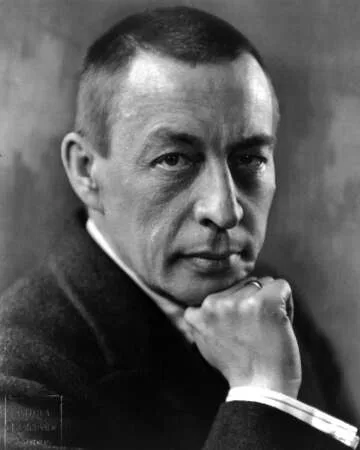
Rachmaninoff: A Musical Prodigy
Born in the quiet countryside of the Russian Empire in 1873, Sergei Rachmaninoff emerged as one of history's most celebrated composers and pianists. His early exposure to the piano led him to the Royal Conservatory of Saint Petersburg, where he honed his skills and developed a passion for composition. Rachmaninoff's talent was evident from a young age, and he quickly became known for his remarkable ability to blend Romanticism with innovative techniques.
By the age of 19, Rachmaninoff had already composed his first major work, the opera Aleko, which garnered critical acclaim. His unique style was characterized by its lush melodies and rich harmonies, firmly establishing him as a key figure in classical music. His most famous piece, the Piano Concerto No. 3, showcases his virtuosic piano skills and remains a favorite among audiences and pianists worldwide.
Early Beginnings in Semyonovo
Rachmaninoff was born in either Oneg or Semyonovo, where his family nurtured his musical aspirations. After moving to Saint Petersburg, his encounters with renowned teachers fueled his dedication to music. His formative years were challenging, given the political unrest of the time, but Rachmaninoff found solace in composition and performance.
A Lifelong Musical Journey
Throughout his life, Rachmaninoff faced numerous challenges, including personal tragedies and political upheavals that forced him to leave Russia. Settling in the United States, he continued to compose and perform, gaining immense popularity. His ability to connect emotionally through music transcended cultural barriers, making him a beloved figure both in Europe and America.
Legacy of Sergei Rachmaninoff
The legacy of Sergei Rachmaninoff is evident in the many works that bear his name, including concertos, symphonies, and chamber music. His compositions continue to inspire musicians and delight audiences, and his profound influence on future generations of composers is immeasurable.
Rachmaninoff’s Evolving Style
Rachmaninoff’s style evolved throughout his life, incorporating elements from various musical genres, yet always retaining a signature emotional depth. His later works, such as the Rhapsody on a Theme of Paganini, revealed a more introspective side, showcasing his growth as a composer.
The Emotional Power of Rachmaninoff's Music
The emotional power of Rachmaninoff's music resonates deeply with listeners, evoking a spectrum of feelings from joy to melancholy. His piano works are revered for their technical demands and expressive depth, making them staples in the repertoire of many pianists.
Fun Fact
Rachmaninoff's Superstitions
Sergei Rachmaninoff was known to be superstitious, having a particularly strong fear of performing when he was not wearing his lucky cufflinks. This quirky belief highlights the passionate connection he had with music and performance.
Additional Resources
Recommended Reading on Rachmaninoff
For those eager to explore more about Rachmaninoff, I recommend The Complete Works of Rachmaninoff and Rachmaninoff: A Composer's Journey for deeper insights into the life and music of this extraordinary artist.






 Continue with Google