


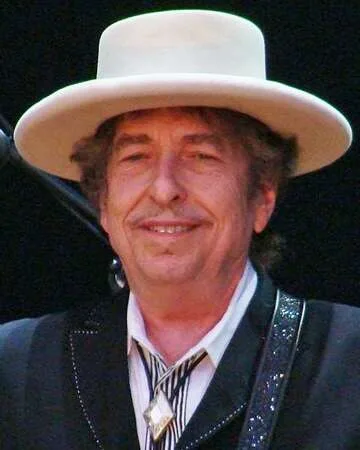
Unveiling the Start of an Iconic Career
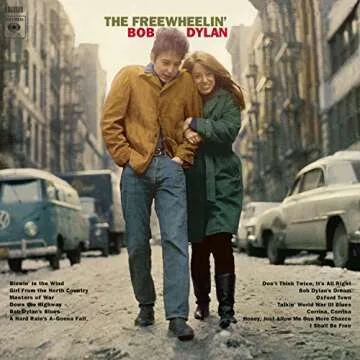
In the spring of 1961, a young Bob Dylan, who had recently moved to New York City, took his first significant step into the world of recorded music. This event marked a pivotal moment not just in Dylan's life but in the landscape of modern music. On this day, Dylan entered the studio to participate in a session that would lay the groundwork for his illustrious career, playing harmonica for fellow artist Caroline Hester.
Bob Dylan’s Introduction to Recording
Bob Dylan, born Robert Zimmerman in Duluth, Minnesota, had just begun to make a name for himself in the folk music scene of Greenwich Village. His raw talent and unique sound caught the attention of producers and musicians alike. During this initial recording session, Dylan played the harmonica for Hester, showcasing his exceptional skills as a musician while also contributing to the burgeoning folk music revival.
The Significance of Caroline Hester
Caroline Hester, a prominent figure in the folk genre, was trying to make her own mark during a time when the scene was saturated with budding artists. By including Dylan in her recording session, Hester not only provided him with a platform to hone his craft but also positioned herself at the forefront of what would be an explosive era of folk and popular music.
The Ripple Effect of Dylan's First Session
This first session was more than just a footnote in Dylan’s career; it was the beginning of a revolutionary journey in music. From this small step, Dylan would evolve into a massive cultural icon and influential songwriter. The recording highlighted his ability to collaborate and innovate, essential characteristics that would become hallmarks of his career.
The Transformation of Folk Music
Not only did Dylan contribute harmonica riffs that complemented Hester’s melodies, but he also brought a refreshing energy to the genre. His unique blend of poetic lyrics and compelling melodies began to change the perception of folk music, transforming it from simple tunes to a medium of profound expression.
Building a Legacy
This initial session can now be seen as a building block for a legacy that would influence countless musicians and genres. The groundswell of creativity birthed from this moment would lead to iconic works from Dylan, including songs that resonate with themes of social change and personal introspection.
Fun Fact
Bob Dylan's Harmonicas
Interestingly, Bob Dylan would go on to use harmonicas as a signature element in many of his future songs, becoming a hallmark of his style. His talent in playing this instrument not only enhanced his music but also captivated audiences worldwide.
Additional Resources
Recommended Reading on Bob Dylan
For those interested in diving deeper into Bob Dylan's life and influence, consider reading “Chronicles: Volume One”, which provides insight into his creative process, or “Bob Dylan: The Illustrated Biography” for a rich visual journey through his career.




 Continue with Google