


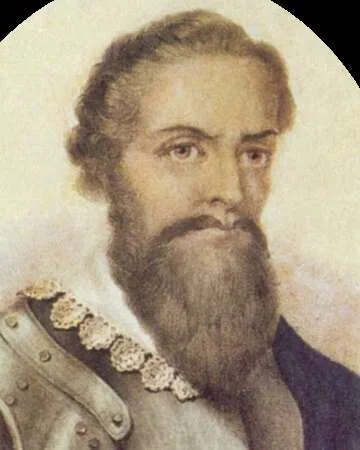
Embarking on the Return Journey
In 1501, Portuguese navigator Pedro Álvares Cabral set sail from Kannur, India, with a fleet of six ships on a significant return voyage to Lisbon. This journey was not just a return trip but a moment of introspection and reflection on the discoveries and interactions encountered during his expedition. Cabral had left Portugal earlier to explore the southern lands of Brazil and the trading routes in the East Indies.
The Significance of Cabral's Journey
This voyage played a pivotal role in establishing Portugal as a dominant maritime power in the 15th and 16th centuries. Cabral’s adventures contributed to the Portuguese understanding of the spice trade, establishing vital trade links and expanding European reach into Asian markets.
The Challenges Faced by Cabral
During this journey, Cabral faced numerous challenges including harsh weather conditions, navigational hazards, and potential conflicts with local populations. Each of these factors tested his leadership and navigational skills while opening new conversations on colonial trade and exploration.
Impact of the Return Journey
As Cabral and his ships journeyed towards Lisbon, the implications of their travels echoed far beyond the horizon. Their returns would lead to further expeditions and the eventual establishment of Portuguese dominance in both the Americas and Asia.
Cabral's Legacy in Maritime History
Pedro Álvares Cabral is often credited with being one of the noteworthy figures in maritime history, especially for his discoveries that influenced trade routes significantly. His return voyage marked not just an end to an expedition but the beginning of a larger narrative of exploration.
Influence on Future Explorations
Cabral’s journey set the stage for later explorers who would follow in his wake, thus augmenting the European presence around the world through both exploration and trade that was to change the dynamics of global interactions.
Fun Fact
Cabral’s Unexpected Discovery
Interestingly, during his exploration, Cabral is attributed to having stumbled upon the coast of Brazil, leading to Portugal’s claim over this vast territory, despite his original intention to reach India.
Additional Resources
Recommended Reading on Pedro Álvares Cabral
For those intrigued by the adventures of Cabral, explore books such as The Discoverers by Daniel J. Boorstin and A History of the World in 100 Objects by Neil MacGregor, which provide deeper insights into the Age of Exploration and its key figures.




 Continue with Google