


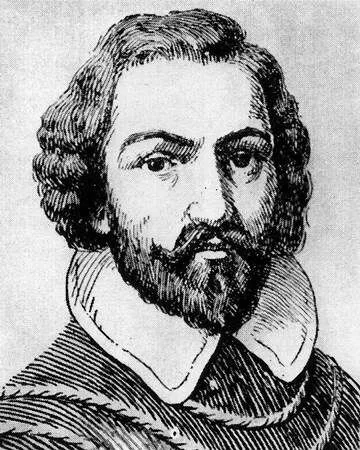
Introduction to Cabrillo's Journey
In the year 1542, a significant moment unfolded in the history of California when the explorer Juan Rodríguez Cabrillo became the first European to sail into what we now know as San Diego Bay. This monumental event marked Spain's claim over the region and unveiled the potential of this coastal territory to the broader world.
Juan Rodríguez Cabrillo: The Explorer
Juan Rodríguez Cabrillo, born in Portugal around 1499, was not just an ordinary navigator; he was a skilled explorer who sought to chart new waters for Spain. His earlier expeditions paved the way for his legendary voyage along the California coast. Cabrillo's goal was to explore the Pacific coastline, seeking new trade routes and territories that could enhance Spain's imperial ambitions.
The Expedition to San Diego
Cabrillo set sail from Acapulco, Mexico, commanding a fleet of ships on September 28, 1542. After several weeks of navigating the treacherous Pacific, he arrived at the San Diego Bay, which he named San Miguel. He recognized the bay's strategic location and natural beauty, leading to its historical significance in subsequent explorations.
The Legacy of Cabrillo's Landing
Following Cabrillo's landing, the region experienced increased interest from Spain and other European powers, marking the beginning of European exploration and colonization in California.
Impact on California's Future
By claiming the bay for Spain, Cabrillo laid the groundwork for future missions and settlements in California. This act of claiming territory was part of the larger context of European exploration aimed at expanding their empires and discovering new lands.
Cabrillo’s Influence on Native Populations
It’s essential to recognize that Cabrillo's landing also had profound implications for the indigenous populations. The arrival of Europeans led to significant cultural exchanges, but also conflicts that would dramatically alter the lives of Native Americans in the region.
Fun Fact
The Incident of Cabrillo’s Death
Interestingly, Cabrillo's expedition was not without tragedy. Following his Californian explorations, he suffered a severe injury on the island of Santa Catalina, which eventually led to his death in 1543, showcasing the perils faced by explorers of that era.
Additional Resources
Recommended Reading on Juan Rodríguez Cabrillo
For those interested in delving deeper into the fascinating life and voyages of Juan Rodríguez Cabrillo, consider reading The Discovery of California by Robert E. Howard or Cabrillo: The Forgotten Explorer by James E. West.












 Continue with Google