


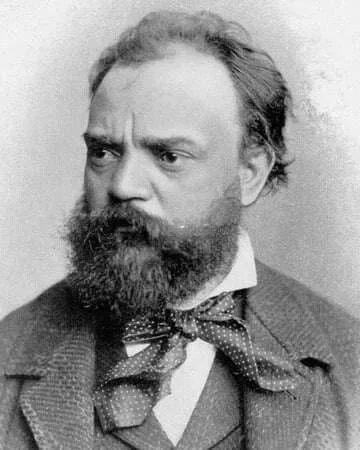
The Life and Legacy of Antonín Dvořák
Antonín Dvořák was an influential Czech composer born on September 8, 1841, in Nelahozeves, which was then part of the Kingdom of Bohemia in the Austrian Empire. He gained prominence for his unique blend of folk melodies and classical music, creating timeless works that resonate with audiences to this day. Dvořák's music was characterized by its emotional depth and his ability to evoke the spirit of the Czech countryside, making him one of the most celebrated composers of the late 19th century.
His most famous pieces include the Slavonic Dances, the New World Symphony, and the poignant Cello Concerto in B minor, Op. 104. Each of these works showcases Dvořák's mastery in orchestration and his ability to draw from personal experiences, fusing Czech folk traditions with broader European influences.
Antonín Dvořák's Early Years
Dvořák was born into a humble family, the third of 14 children. From a young age, he displayed a keen interest in music, which led him to learn the violin and the organ. He started composing music during his teenage years, but it wasn't until he moved to Prague that he truly began to carve his path in the world of classical music.
Dvořák's Rise to Fame
After connecting with prominent musicians and gaining support from the Czech National Theatre, Dvořák's career blossomed. His early compositions caught the attention of Johannes Brahms, who became his advocate, leading to significant performance opportunities. Dvořák's combination of traditional Czech elements and innovative orchestral techniques captivated audiences across Europe.
The Masterpieces of Antonín Dvořák
Dvořák's contributions to the world of classical music are immense. His works often reflect national pride, drawing on the folk traditions and music of his homeland. This celebration of Czech identity was especially prominent in his Slavonic Dances, which became immensely popular upon their premiere.
The Slavonic Dances
Composed in 1878, the Slavonic Dances are a set of pair dances that exemplify Dvořák's ability to integrate folk music elements into classical forms. These pieces were originally meant for piano four hands but quickly adapted for full orchestra, captivating audiences with their vivacious rhythms.
The New World Symphony
One of Dvořák's most celebrated works, the New World Symphony, composed in 1893, was inspired by his experiences while living in America. The symphony brilliantly combines African American spirituals and Native American music with the traditional symphonic form, making it a profound representation of Dvořák's unique style.
Fun Fact
Veneration of Dvořák
Did you know that Dvořák's music has seen a resurgence in popularity over the years? Both the Slavonic Dances and the New World Symphony are regularly performed by orchestras around the world, showcasing Dvořák's enduring legacy and influence in the realm of music.
Additional Resources
Recommended Reading on Antonín Dvořák
For those interested in diving deeper into Dvořák's life and work, consider reading Dvořák and His World and The Dvořák Compendium, which provide comprehensive insights into his music and its cultural significance.













 Continue with Google