


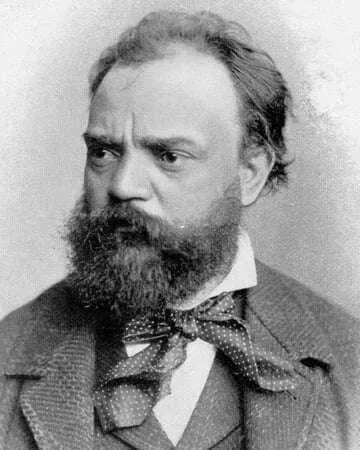
The Historic Premiere of Dvořák's Slavonic Dances
In 1879, the world witnessed the sensational debut of Antonín Dvořák’s first set of Slavonic Dances (Opus 46). This collection of lively and colorful dances not only emphasized Dvořák’s prodigious talent but also marked a significant moment in the realm of classical music, celebrating Slavic heritage through music.
Dvořák, a Czech composer, drew inspiration from the folk music of his homeland in these vibrant pieces. The dances quickly gained popularity, showcasing traditional rhythms and melodies that resonated with audiences across Europe. The premiere performance was a resounding success, cementing Dvořák’s reputation as a leading composer of his time and heralding a new era of nationalistic music.
Dvořák's Journey to the Slavonic Dances
Before the Slavonic Dances, Antonín Dvořák was already gaining recognition with works like his symphonies and chamber music. However, these dances represented a unique fusion of classical forms and folk traditions. Dvořák sought to evoke the spirit and culture of the Slavic people, making his music profoundly relatable and widespread.
The Musical Impact of Slavonic Dances
The success of the first set of Slavonic Dances led Dvořák to compose a second set, further solidifying his legacy in the classical music movement. Not only did these works present an opportunity for orchestras to explore rich, nationalistic themes, but they also inspired future composers to embrace their cultural roots, impacting the development of classical music across the continent.
The Significance of Dvořák's Work
Dvořák's Slavonic Dances can be seen as a bridge between traditional folk music and classical sophistication, offering a new perspective on national identity through art. The rhythmic vitality and lyrical beauty of the pieces continue to capture the hearts of listeners today, making them staples in the orchestral repertoire.
The Influence of Folk Music
Dvořák’s music creatively incorporates elements of traditional Slavic folk music, employing characteristic rhythms and motifs that evoke a sense of national pride. His ability to capture the essence of folk styles while adhering to classical form is what makes the Slavonic Dances a crucial part of his oeuvre.
Legacy of the Slavonic Dances
Since their premiere, the Slavonic Dances have held an esteemed position within the classical music canon. They are regularly performed in concert halls worldwide, reminding audiences of a celebrated period in music history where cultural identity and artistic expression beautifully intertwined.
Fun Fact
The Dynamic Rhythm of Dvořák’s Dances
One interesting fact about the Slavonic Dances is that the exuberant rhythms were designed intentionally to evoke the feeling of a lively folk dance, often inspiring listeners to imagine young dancers celebrating in traditional attire.
Additional Resources
Recommended Reading on Dvořák
For those interested in exploring more about Antonín Dvořák, consider reading Dvořák: A Biography by John Clapham, or My Life in Music by Antonín Dvořák for a deeper insight into his creative process and background.


![The Knot Guide to Wedding Vows and Traditions [Revised Edition]: Readings, Rituals, Music, Dances, a...](https://assets.giftpals.com/assets/uc/Gift/MvXLCpbjUmIt/1/thumbnail_default_1.webp?gm2ZqrLPg8UE)









 Continue with Google