


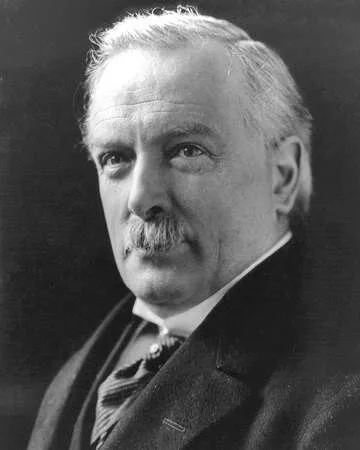
David Lloyd George: The Man Behind the Reforms
Born on January 17, 1863, in Chorlton-on-Medlock, Lancashire, England, David Lloyd George was a significant figure in British politics and served as the Prime Minister from 1916 to 1922. Lloyd George's tenure as Prime Minister was marked by his leadership during World War I and his ambitious social reforms in peacetime. A member of the Liberal Party, he was instrumental in transforming the welfare state, which laid the groundwork for modern Britain's social security system.
As a passionate advocate for social justice and a strong believer in state intervention, Lloyd George introduced policies such as old-age pensions and health insurance, which aimed to improve the lives of the working-class population. His approach to governance showcased his understanding of the pressing issues of his time, making him a pivotal figure in both social and economic reforms.
David Lloyd George's Political Career
Before rising to Prime Minister, Lloyd George held various positions, including Chancellor of the Exchequer. His role during World War I solidified his reputation as a decisive leader, especially with policies ensuring better conditions for soldiers and their families. He became known as the 'People's Chancellor' for his efforts to represent the interests of ordinary citizens in political decisions.
The Social Reforms of Lloyd George
Lloyd George's reforms laid the foundation for the welfare state in the UK. His government's introduction of the National Insurance Act in 1911 provided health and unemployment insurance, while his advocacy for housing standards transformed living conditions for many in Britain.
Lloyd George's Impact on Modern Britain
David Lloyd George's legacy extends far beyond his time in office, influencing that of future policymakers. His commitment to social reform is noted as a transformative period in British history and has set standards for governmental involvement in citizens' welfare.
Long-term Effects of His Governance
The reforms he implemented during and after his premiership continue to shape discussions on social policy today. Lloyd George's vision of a fairer society echoed through the decades, influencing both the Labour Party and the Liberal Democrats.
Challenges Faced During His Leadership
While his reforms were largely welcomed, Lloyd George faced criticism, particularly from more conservative factions. His leadership style and decisions during the war were often contentious, which ultimately impacted his political career towards the end of his term.
Fun Fact: Lloyd George's Communication Skills
David Lloyd George's Interesting Fact
A skilled orator, Lloyd George was known for his ability to connect with the public through speeches that resonated with their struggles and aspirations. He was often referred to as 'The Welsh Wizard' due to his captivating rhetoric that inspired many.
Additional Resources
Recommended Reading on David Lloyd George
For those eager to delve deeper into the life and contributions of David Lloyd George, books like "Lloyd George: A Biography" by John Grieve and "The Life of David Lloyd George" by Matthew Hendley offer comprehensive insights into his complex character and impactful policies.





 Continue with Google