


The Birth of Halim El-Dabh: A Musical Prodigy
Halim El-Dabh was born on February 15, 1921, in the vibrant city of Cairo, Egypt. He emerged into a world where music was woven intricately into the cultural fabric of the region. From a young age, he showed an undeniable talent for music, greatly influenced by his rich Egyptian heritage. As a pianist and darabukha drummer, El-Dabh's unique style blended traditional Arabic music with Western classical elements, creating a sound that was distinctly his own.
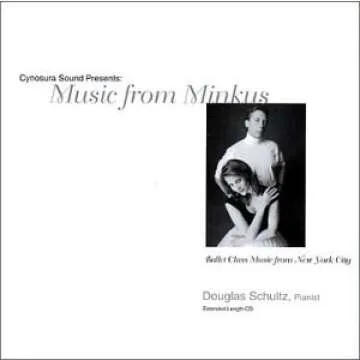
Throughout his early life in Cairo, Halim’s fascination with rhythms and melodies fueled his passion for music. His formal education began in Egypt but eventually took him to the United States, where he would expand his repertoire and garner international acclaim. El-Dabh's contributions to music transcended mere performance; he became a respected composer, specifically noted for his work with revered choreographer Martha Graham. Their collaborations in the 1940s and 50s reshaped concert dance and helped define the modern ballet landscape.
Halim El-Dabh and his Influential Collaborations
In addition to his solo projects, Halim El-Dabh's remarkable partnership with Martha Graham highlights his role as a pioneer in American music. Their partnership was significant during the post-war era, as they worked together on several innovative ballet scores that are still celebrated today. El-Dabh's ability to fuse two distinct musical worlds—Egyptian and Western—not only showcased his versatility but also opened new avenues for cultural exchange in the performing arts.
The Impact of Halim El-Dabh on Modern Music
El-Dabh’s music resonated far beyond the concert halls. By integrating traditional African percussion instruments like the darabukha with modern orchestral sounds, he has influenced generations of musicians worldwide. His commitment to exploring cross-cultural themes in music continues to inspire emerging artists seeking to embrace their diverse backgrounds, reinforcing the idea that music knows no boundaries.
Legacy of Halim El-Dabh: A Timeless Influence
The legacy of Halim El-Dabh is a testament to the power of creativity and innovation in the arts. His approach to music composition and performance laid the groundwork for future musicians, highlighting the importance of cultural fusion in artistic expression. Halim passed away in 2017, but his influence remains strongly felt in both classical and contemporary music scenes.
Honoring Halim El-Dabh’s Contributions
Beyond his achievements as a performer and composer, Halim El-Dabh’s work has been recognized in various forms, including honors and retrospectives that celebrate his commitment to music and dance. His life serves as a reminder of how art can bridge cultural divides and foster a greater understanding among people.
The Lasting Inspiration of Halim El-Dabh
Musicians and dancers alike continue to draw inspiration from Halim El-Dabh's pioneering spirit. By incorporating the elements of rhythmic complexity and cultural depth, they pay homage to his legacy, ensuring that the soundscapes he crafted are not forgotten but cherished and expanded upon.
Fun Fact: A Pioneer in Sound
Halim El-Dabh’s Interesting Fact
Besides being a celebrated composer, Halim El-Dabh was also a groundbreaking electronic music pioneer. In the 1940s, he created one of the first tape compositions for a musical piece, showcasing his innovative approach even before electronic music became mainstream.
Additional Resources
Recommended Reading on Halim El-Dabh
For those looking to dive deeper into Halim El-Dabh's fascinating life and work, consider reading "Halim El-Dabh: A World of Sound" and "The Music of Halim El-Dabh", both of which provide insightful analyses and reflections on his contributions to the music world.






 Continue with Google