


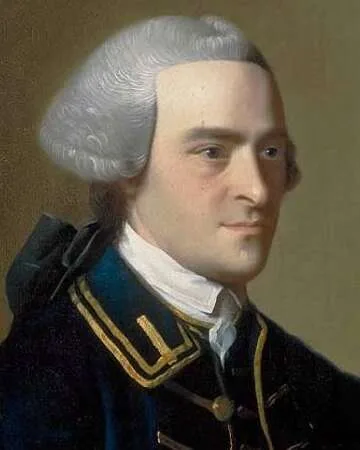
Who Was John Hancock?
John Hancock was a prominent American merchant and statesman, best known for being the first person to sign the Declaration of Independence in 1776. Born on January 12, 1737, in Braintree, Massachusetts, Hancock rose to prominence as a wealthy merchant and a key figure in the early days of American independence. His notable signature on the Declaration is not just a mark of his support for independence but has since become a symbol of American freedom and liberty.
As an influential leader in the colonies, Hancock was part of the Continental Congress and was deeply involved in the American Revolution. He played a critical role in advocating for the colonies' break from British rule and rallied others around the cause for independence.
John Hancock's Early Life
Hancock was born into a well-off family; he was the son of a ship’s captain and quickly became acquainted with the world of commerce and politics. After his father's death, he inherited a successful shipping business, which positioned him at the forefront of economic and political activity in Boston.
John Hancock's Political Career
Hancock's career was marked by his deep commitment to American independence. Initially, he gained fame as a leader of resistance against British taxes, notably the Stamp Act. His political ambitions flourished as he became a major voice for the revolutionary cause, uniting colonists to resist imperial impositions.
Legacy of John Hancock
The legacy of John Hancock is commemorated not only by his signature but also by his contributions to American freedoms. He served as the first president of the Continental Congress and continued to influence politics long after the Declaration was signed. Born in Massachusetts, he remained a key leader in the state and played significant roles in the establishment of the new government.
The Signature of John Hancock
Hancock's bold and flamboyant signature on the Declaration of Independence has become emblematic of defiance against tyranny and is often cited as proof of his bravery. The phrase "Put your John Hancock here" has entered common vernacular as a way of referring to signing one's name, showcasing his enduring influence.
John Hancock's Contributions to Health and Education
Aside from his political involvement, Hancock was also a philanthropist. He contributed to various educational institutions and supported the establishment of the Massachusetts General Hospital. His commitment to public service extended beyond his lifetime, influencing future generations.
Fun Fact
John Hancock’s Interesting Fact
An interesting tidbit about Hancock is that he was known for his extravagant lifestyle and lavish parties, which were seen as unorthodox for a statesman of his time. Despite his fortune, he also faced accusations of smuggling, showing the complexity of his character.
Additional Resources
Recommended Reading on John Hancock
For those interested in learning more about Hancock's fascinating life, consider reading "John Hancock: Merchant King and American Revolutionist" by David C. King or "The Life of John Hancock" by Thomas S. Kidd. Both books provide deeper insights into his role in American history.













 Continue with Google